search
search
add New trip
Nepal

Nepal

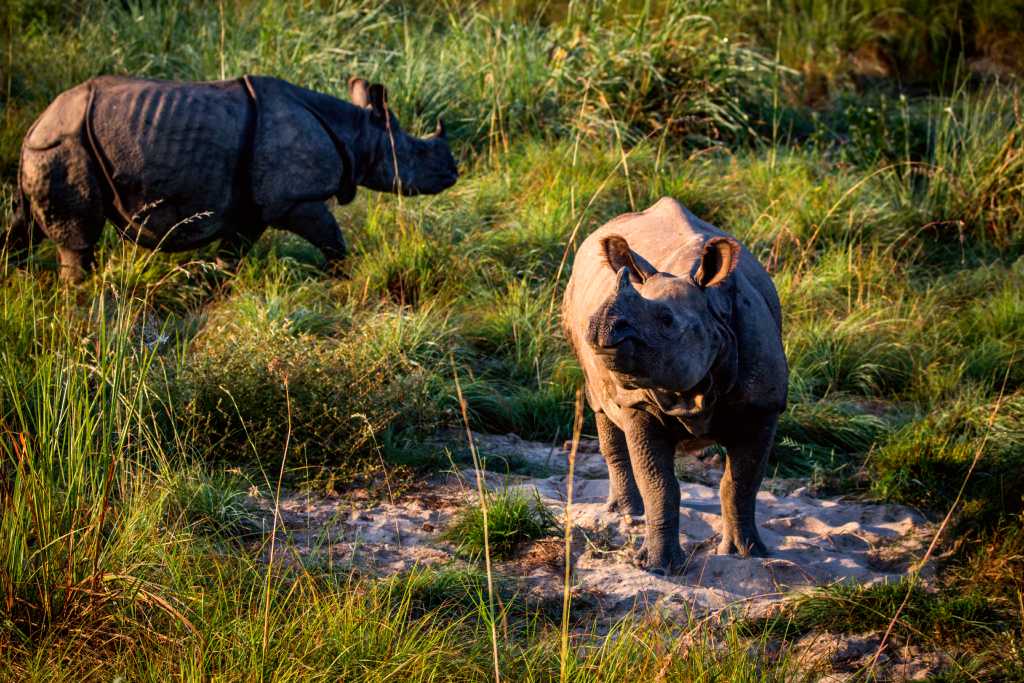
USAID Biodiversity & Forestry · Public domain
NP calendar_monthMar–May, Sep–Novbest time schedule10 daysplan for child_careYeswith kids confirmation_numberBudgetprice flagKathmanducapital ₹Nepalese Rupeecurrency translateNepalilanguage
NepalYour own route Plan a trip here →

Nepal is a land of stunning landscapes and rich cultural heritage, nestled in the heart of the Himalayas. From the bustling streets of Kathmandu to the serene beauty of Pokhara, travelers are greeted with a blend of ancient traditions and breathtaking natural wonders.

Read more

The country offers a unique experience for adventurers and culture enthusiasts alike. Trekking in the Annapurna region or exploring the historic temples of Bhaktapur are just a few highlights, but be prepared for the challenges of altitude and varying infrastructure.

In pictures

Nepal USAID Biodiversity & Forestry · Public domain

Sightseeing

Kathmandu: the vibrant capital with historic temples
Pokhara: a picturesque lakeside city with stunning views
Chitwan National Park: a UNESCO site for wildlife safaris
Lumbini: the birthplace of Buddha, rich in history
Bhaktapur: a medieval city known for its architecture
Nagarkot: a hill station famous for sunrise views
Gosaikunda: a sacred lake for trekkers and pilgrims
Everest Base Camp: the ultimate trek for adventure seekers

"Adventure awaits in the Himalayas"Nepal

Things to do

Trek the Annapurna Circuit: a famous multi-day hike
Explore ancient temples: visit Pashupatinath and Swayambhunath
Go white-water rafting: experience thrilling rapids in Trishuli
Join a cooking class: learn to make traditional Nepali dishes
Visit local markets: shop for handicrafts and souvenirs
Take a yoga retreat: find peace in the Himalayas

Local food and drinks

Dal Bhat: a staple meal of lentils and rice, found everywhere
Momo: delicious dumplings, best enjoyed in Kathmandu
Sel Roti: a traditional rice-based doughnut, popular during festivals
Thukpa: a hearty noodle soup, perfect after trekking
Chiya: traditional Nepali tea, served throughout the day
Raksi: a local alcoholic drink, often homemade

Local traditions

Dashain: the biggest festival celebrating the goddess Durga
Tihar: a festival of lights, similar to Diwali
Maha Shivaratri: a night dedicated to Lord Shiva, with festivities
Buddha Jayanti: celebrating the birth of Buddha with prayers
Maghe Sankranti: a harvest festival with special foods

Do's and don'ts

Respect local customs and dress modestly
Try to learn a few words of Nepali
Bargain politely in markets
Remove shoes before entering homes and temples
Be patient with service and travel delays
Don't take photos in restricted areas, especially temples
Don't engage in public displays of affection
Don't assume everyone speaks English
Don't litter or disrespect nature
Don't rush through cultural experiences

A Sacred Birthplace of Peace

Lumbini, the birthplace of Buddha, is a serene pilgrimage site that invites reflection and tranquility. The Mayadevi Temple, with its simple yet profound architecture, marks the exact spot where Siddhartha Gautama was born. Visitors often find themselves captivated by the peaceful ambiance, surrounded by lush gardens and ancient ruins. However, be prepared for the crowds, especially during religious festivals. The best time to visit is early morning or late afternoon when the light softens and the atmosphere is more contemplative.

A Stupa with a View

Swayambhunath, also known as the Monkey Temple, offers not just spiritual significance but also breathtaking views of Kathmandu Valley. The climb up the 365 steps can be a workout, but the panoramic vistas and the vibrant prayer flags make it worthwhile. Expect to encounter playful monkeys along the way, but keep your belongings secure. The site is a blend of Buddhist and Hindu traditions, and while it is a popular tourist spot, it retains a sense of sacredness that is palpable. Visiting at sunrise or sunset can provide a more peaceful experience.

A Temple of Devotion and Color

Janki Mandir, located in Janakpur, is a stunning temple dedicated to the goddess Sita. The intricate architecture and vibrant colors make it a feast for the eyes. The temple is a significant pilgrimage site, especially during festivals, when it comes alive with devotees and celebrations. However, be mindful of the local customs and dress modestly. The surrounding area is also worth exploring, with local markets offering a glimpse into daily life. While the temple can get crowded, the atmosphere of devotion and community is truly inspiring.

Practical

At a glance

Population
30.000.000
Best time
October to November
Accessibility
Limited mobility can be challenging in many areas
Price level
Budget

Basic information

Capital: Kathmandu
Language: Nepali
Currency: Nepalese Rupee
Best time to visit: October to November

Travel information

Fly into Tribhuvan International Airport in Kathmandu, which is the main international gateway. Use local buses or taxis for getting around cities, but be prepared for traffic jams. Road conditions can be poor, particularly in rural areas, so allow extra time for travel. ATMs are available in major cities like Pokhara and Kathmandu, but carrying cash is advisable for smaller towns. Mobile connectivity is generally good in urban areas, but expect limited service in remote regions, especially during the monsoon season.

Things to know

Altitude sickness is a real concern when trekking, especially above 2,500 meters.
Respect local customs, particularly in temples and monasteries.
Be cautious of scams, especially in popular tourist spots like Thamel in Kathmandu.
Public transport can be crowded and uncomfortable, so plan for delays.
Check for festival dates, as many sites may close or have altered hours during events like Dashain or Tihar.
history_eduHistoryexpand_more

Nepal's history is rich and complex, with influences from various dynasties and cultures. The Malla kings in the medieval period contributed significantly to art and architecture, leaving a legacy visible in the many temples and palaces.

In the 18th century, King Prithvi Narayan Shah unified the country, establishing the Shah dynasty. Nepal remained isolated for much of its history, only opening to the outside world in the mid-20th century, which has shaped its unique identity.

Photo: USAID Biodiversity & Forestry · Public domain · Wikimedia Commons