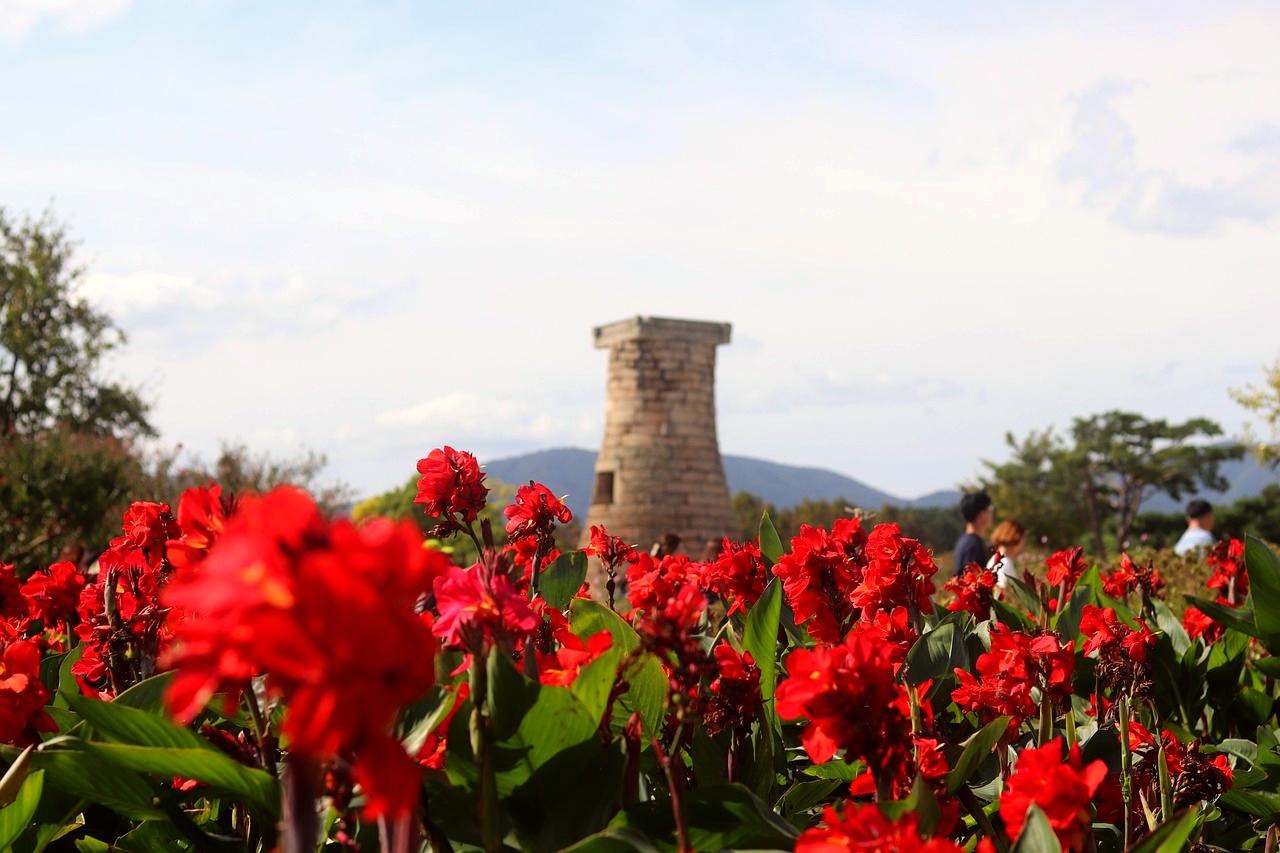
Gyeongju, often referred to as 'the museum without walls', is a city steeped in history and culture. Visitors are greeted by ancient tombs, temples, and palaces that whisper tales of the Silla Dynasty, making it a captivating destination for history enthusiasts.
Read more
The city blends the old with the new, offering a serene atmosphere that invites exploration. Strolling through its parks and historical sites, you can feel the weight of centuries past while enjoying the vibrant local life.
Highlights
Anapji Pond
Beautifully illuminated at night
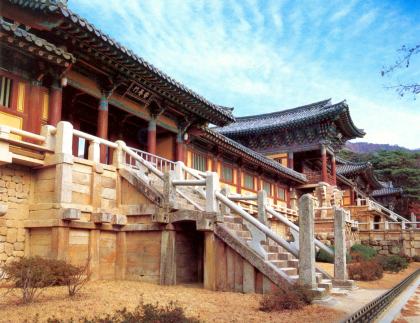 Wikimedia Commons · Public domain
Bulguksa Temple
A stunning example of ancient Korean architecture
Daereungwon Tomb Complex
Discover ancient royal tombs
Gyeongju National Museum
Houses a vast collection of Silla artifacts
Seokguram Grotto
Famous for its beautiful Buddha statue
Routes through here
Every route opens in the planner as your own copy: change any stop, any night.
In pictures
Sightseeing
Things to do
Local food and drinks
Local traditions
Do's and don'ts
Practical
At a glance
- Founded
- 57 BC
- Population
- 250.000
- Accessibility
- Some areas are accessible, but others may have challenges
- Price level
- Mid-range
Things to know
History
Gyeongju was the capital of the Silla Kingdom, one of the three kingdoms of Korea, from 57 BC to 935 AD. This rich history is reflected in its numerous historical sites, many of which are UNESCO World Heritage sites. The city flourished as a cultural and political center, leaving behind a legacy of art, architecture, and philosophy.
After the fall of the Silla Kingdom, Gyeongju continued to be an important city, though it gradually transformed into a quieter town. Today, it serves as a reminder of Korea's ancient past, attracting visitors eager to explore its archaeological treasures and historical significance.
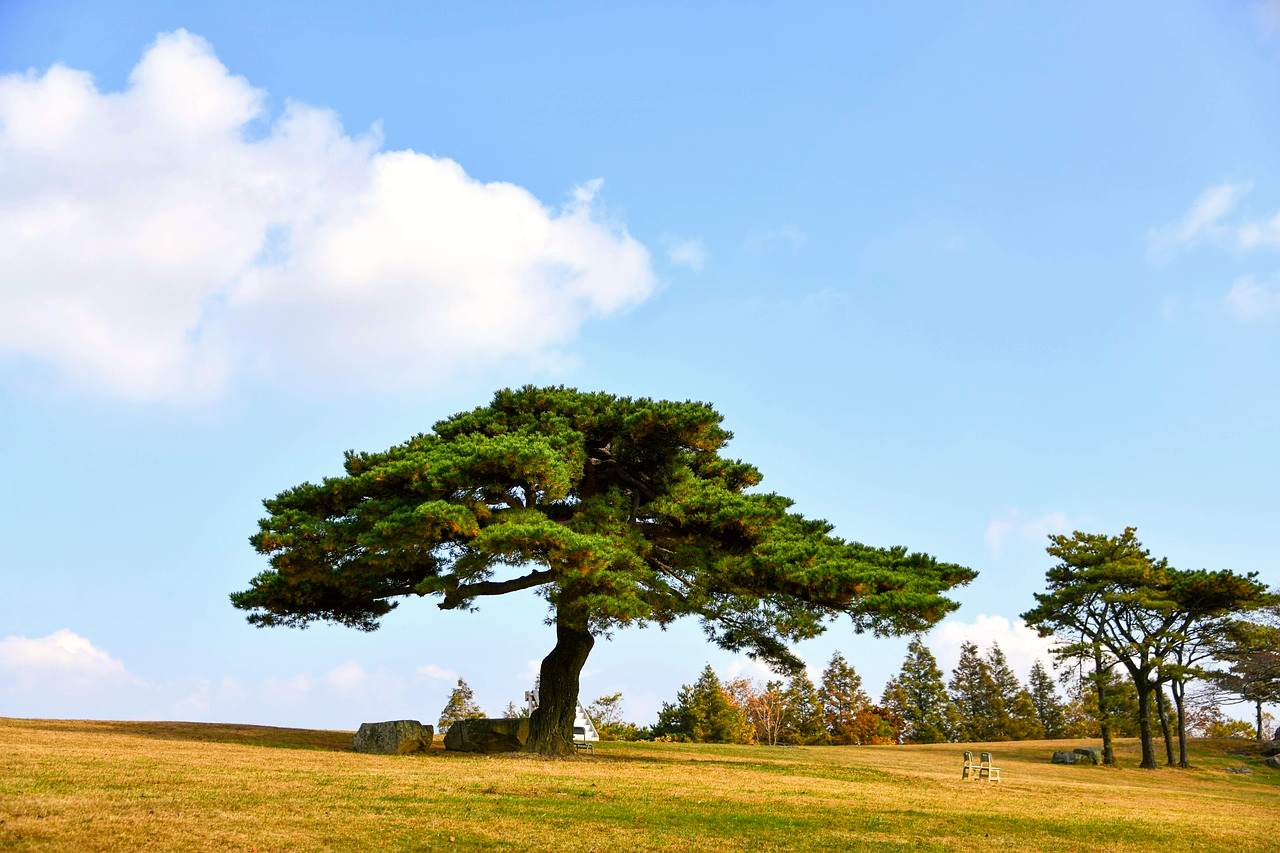
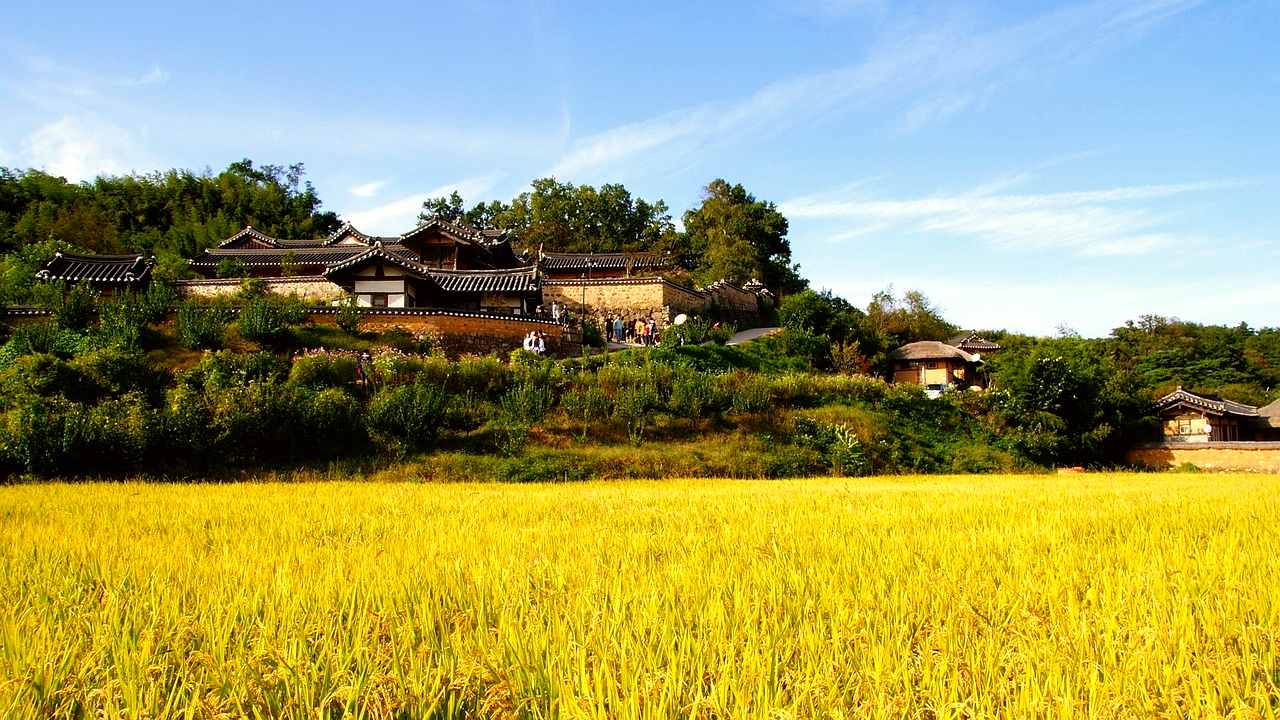
Photo: NmewahanG · Pixabay Content License · Pixabay
Photo credits (2)
- sonharam0 · Pixabay Content License · Pixabay
- AldebaranTM · Pixabay Content License · Pixabay