search
search
add New trip
Jeju Island

Jeju Island

calendar_monthApr–May, Sep–Octbest time schedule7 daysplan for child_careYeswith kids confirmation_numberMid-rangeprice
Jeju IslandYour own route Plan a trip here →

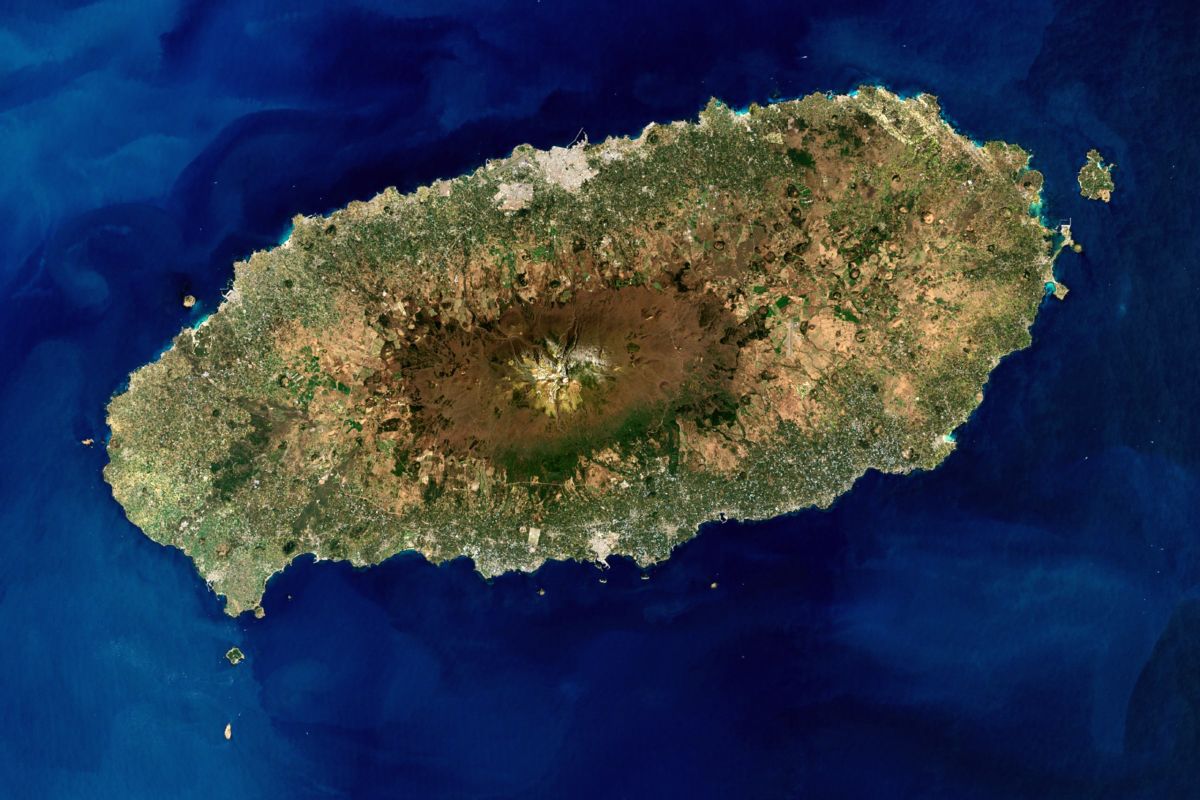
Jeju Island is a stunning destination known for its natural beauty, featuring volcanic landscapes, lush greenery, and beautiful coastlines. Visitors are often captivated by the island's unique charm, from its serene beaches to its vibrant local culture.

In pictures

1894 map of Quelpaërt or Tchæ-Tchiou
Spirited Garden in Jeju Island
Jeju Island
Jeju Island
Jeju Island
Jeju Island

Sightseeing

Hallasan National Park: home to South Korea's highest mountain
Seongsan Ilchulbong: a UNESCO World Heritage site and volcanic crater
Jeongbang Waterfall: one of the few waterfalls in Asia that falls directly into the ocean
Manjanggul Cave: a fascinating lava tube with unique formations
Teddy Bear Museum: a quirky museum showcasing teddy bears from around the world
Loveland: an outdoor sculpture park with a playful theme
Cheonjiyeon Waterfall: a picturesque waterfall surrounded by lush vegetation
O’sulloc Tea Museum: a place to learn about and taste Korean tea

"Nature's Paradise Awaits You"Jeju Island

Things to do

Hike Hallasan: enjoy panoramic views and diverse flora, the trail can be challenging.
Explore the beaches: relax or try water sports at Hyeopjae Beach, known for its clear waters.
Visit local markets: experience authentic Korean street food like tteokbokki and hotteok.
Take a scenic drive: enjoy the coastal roads and beautiful landscapes, especially along the eastern coast.
Attend a traditional tea ceremony: immerse yourself in local customs at places like O'Sulloc Tea Museum.
Local food and drinks - Jeju Island

Local food and drinks

Black Pork BBQ: a must-try local delicacy
Abalone porridge: a nutritious and flavorful dish
Jeju tangerines: sweet and juicy, perfect for snacking
Seafood stew: hearty and packed with fresh ingredients
Hallabong juice: refreshing citrus drink unique to Jeju
Local traditions - Jeju Island

Local traditions

Seollal: Lunar New Year celebrations with family gatherings
Chuseok: harvest festival with traditional foods and rituals
Jeju Fire Festival: a spring event celebrating the island's agricultural heritage
Traditional folk performances: showcasing Jeju's rich cultural history

Do's and don'ts

Try the local cuisine at street markets
Respect local customs and traditions
Take part in outdoor activities like hiking
Explore off-the-beaten-path locations for a quieter experience
Don't litter, as Jeju values its natural beauty
Don't ignore local etiquette, especially in traditional settings
Don't rush your visit, take time to enjoy the scenery
Don't rely solely on English, learn a few basic Korean phrases
info_outlinePracticalexpand_more
Since: Founded around 200 BC
Population: 670.000

About Jeju Island

The island offers a mix of relaxation and adventure, making it a perfect getaway for families, couples, and solo travelers. However, be prepared for occasional crowds, especially during peak seasons, as many locals and tourists flock to its popular attractions.

Things to know

Expect higher prices at tourist hotspots, especially in peak season.
Public transport can be limited, consider renting a car.
Some attractions may have steep paths or stairs, check accessibility.
Be cautious of sudden weather changes, especially in winter.
In 2023, the summer months can be quite humid, so pack accordingly.

Good to know

Accessibility: Some areas are wheelchair accessible, but many are not
Island: yes
Price level: mid-range
history_eduHistoryexpand_more
History - Jeju Island

Jeju Island has a rich history that dates back thousands of years, with evidence of human habitation since the Paleolithic era. The island has been shaped by its volcanic activity, which created its unique landscapes and fertile soil, attracting settlers and influencing local culture.

Throughout history, Jeju has been a strategic location for trade and military purposes. It was also a site of conflict during the Japanese occupation in the early 20th century, which has left a lasting impact on its cultural identity and resilience.

Photo: Wikipedia / Wikimedia Commons