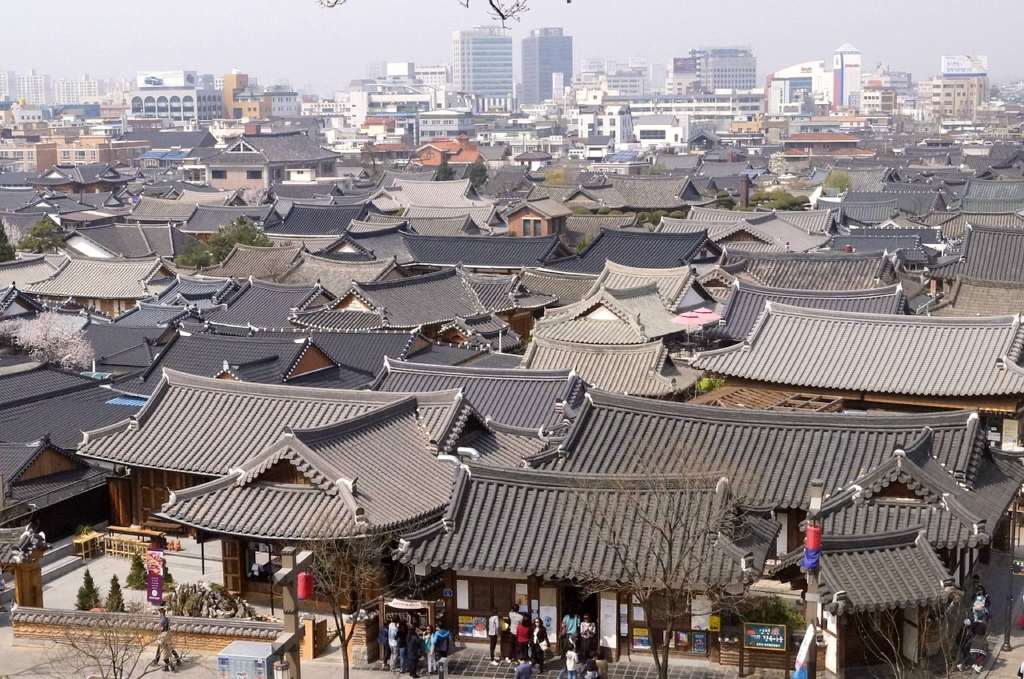
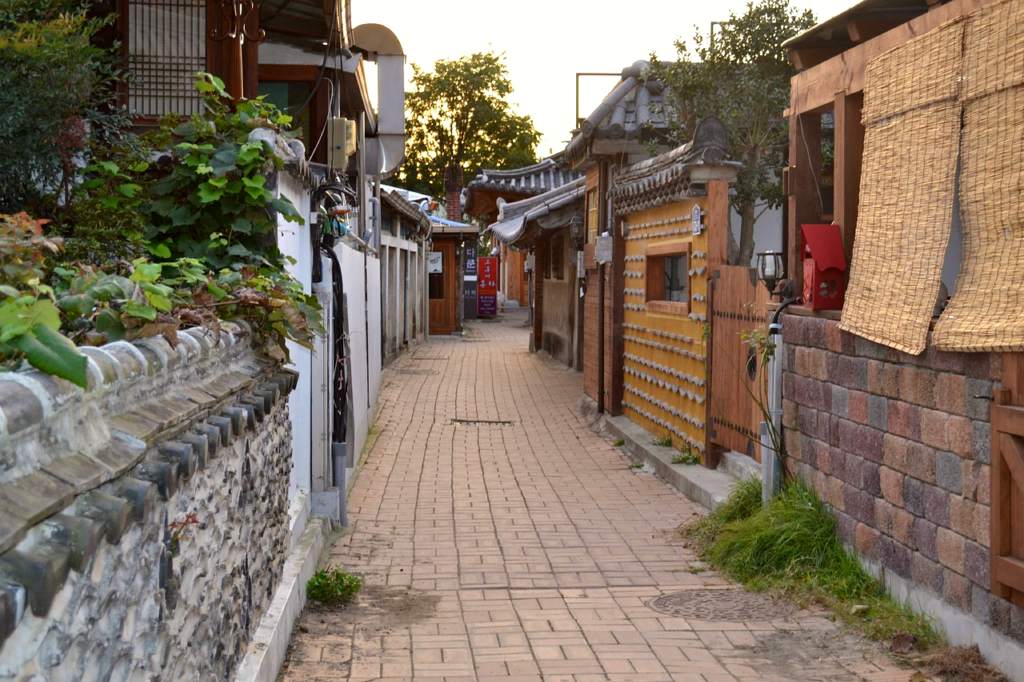
Jeonju is a city rich in history and culinary tradition. Known as the birthplace of bibimbap, it offers a unique blend of modern life and preserved heritage, especially in its Hanok Village, where traditional Korean houses line the streets.
Read more
Visitors can explore ancient architecture, sample local delicacies, and enjoy the vibrant atmosphere of cafes and shops. The city is also a cultural hub, hosting various festivals throughout the year, making it a lively place to experience Korean culture firsthand.
Highlights
DeokJin Park
Enjoy nature with a pond and walking paths.
Jeonju Hanok Village
Experience traditional Korean architecture
Jeonju National Museum
Learn about the region's history and culture.
Jeonju World Cup Stadium
Catch a football match of the local team.
Routes through here
Every route opens in the planner as your own copy: change any stop, any night.
In pictures
Sightseeing
Things to do
Local food and drinks
Local traditions
Do's and don'ts
Practical
At a glance
- Founded
- 600 AD
- Population
- 650.000
- Accessibility
- Most areas are walkable, but some sites have stairs.
- Price level
- Mid-range
Things to know
History
Jeonju has been a significant city in the Jeolla region for centuries. It is recognized as the birthplace of the Joseon dynasty, with the royal family clan originating from this area. The city has preserved many traditional structures, reflecting its historical importance.
Over the years, Jeonju has evolved while maintaining its cultural heritage. The Hanok Village is a prime example, showcasing traditional Korean architecture and lifestyle. Today, Jeonju is a blend of history and modernity, attracting visitors interested in both.
Photo: Tay Kim · Pixabay Content License · Pixabay
Photo credits (2)
- NmewahanG · Pixabay Content License · Pixabay
- jacobjayu0 · Pixabay Content License · Pixabay