kiomigo
search
search
add New trip
Seoul

Seoul

Population: 10.000.000 Since: Founded around 18 BC Price: Mid-range Capital city
accessible Accessibility: Many areas are wheelchair accessible, but some historic sites may have limitations.

Introduction

Seoul is a vibrant blend of ancient traditions and cutting-edge technology, where historic palaces sit alongside modern skyscrapers. The city's energy is palpable, with bustling markets, serene parks, and a lively nightlife that draws visitors from around the globe.

As you explore, you'll find a rich tapestry of culture, from K-pop to traditional hanbok attire. The warmth of the locals adds to the experience, making it easy to feel at home in this dynamic metropolis.

In pictures

Seoul
Seoul
Seoul
Seoul
Seoul
Reconstructed umjip houses at Amsa-dong Prehistoric Site

Sightseeing

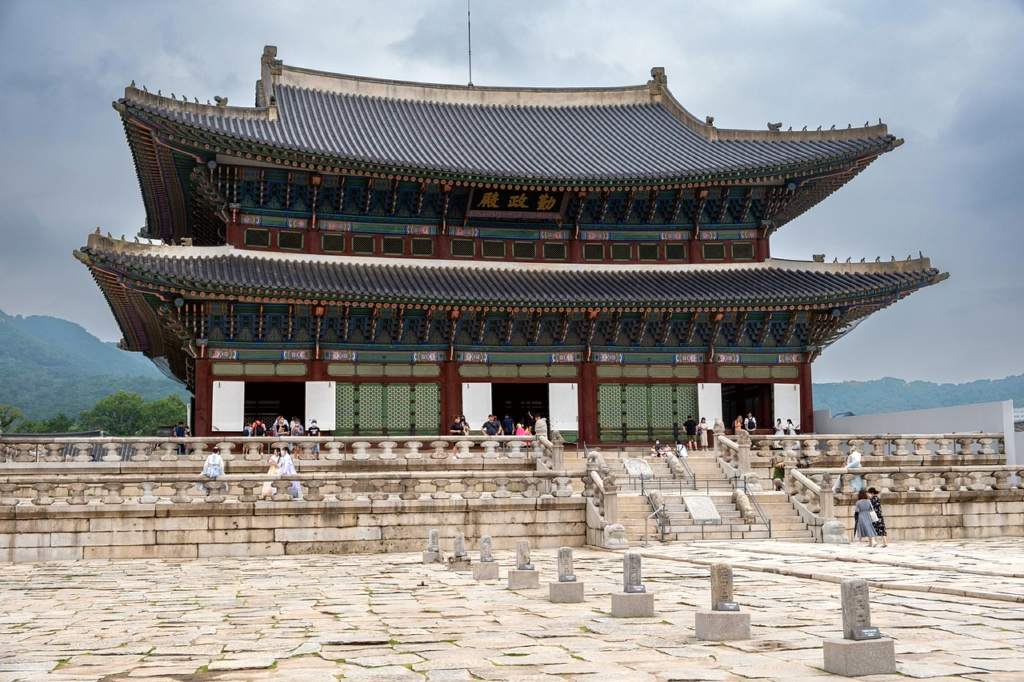
Gyeongbokgung Palace: the largest and most iconic palace in Seoul
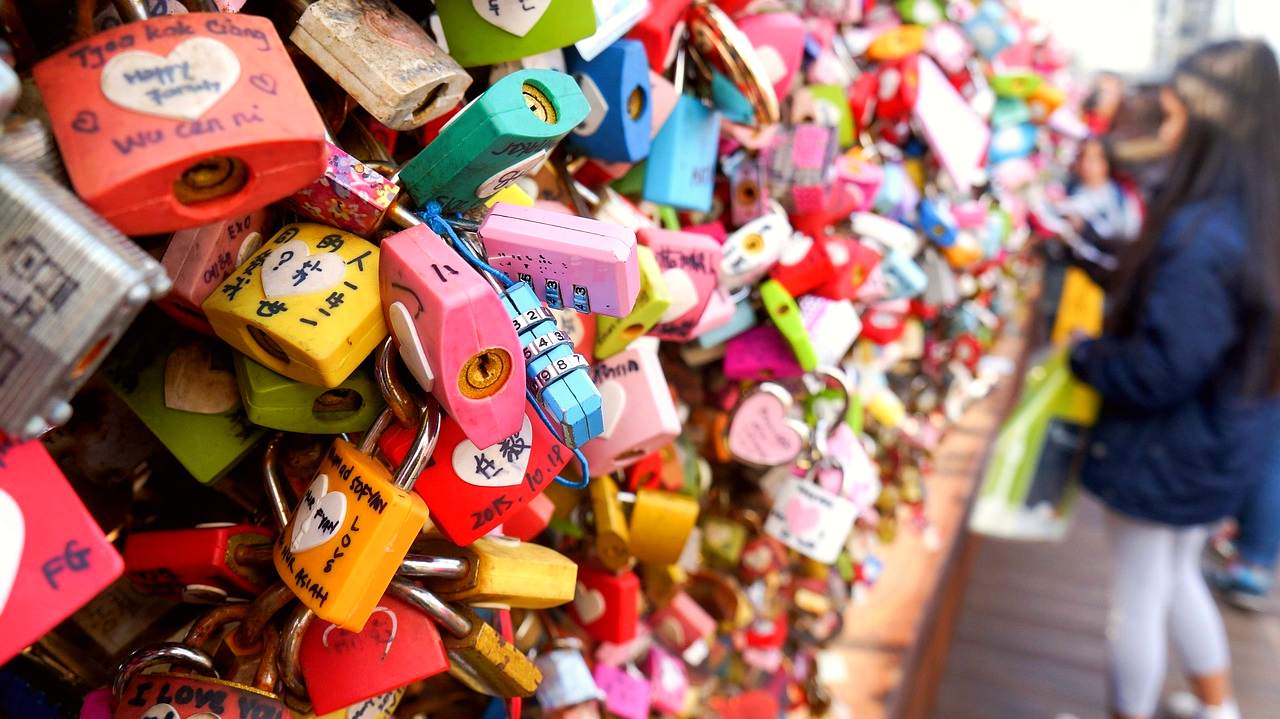
N Seoul Tower: offers panoramic views of the city
Bukchon Hanok Village: a preserved area of traditional Korean houses
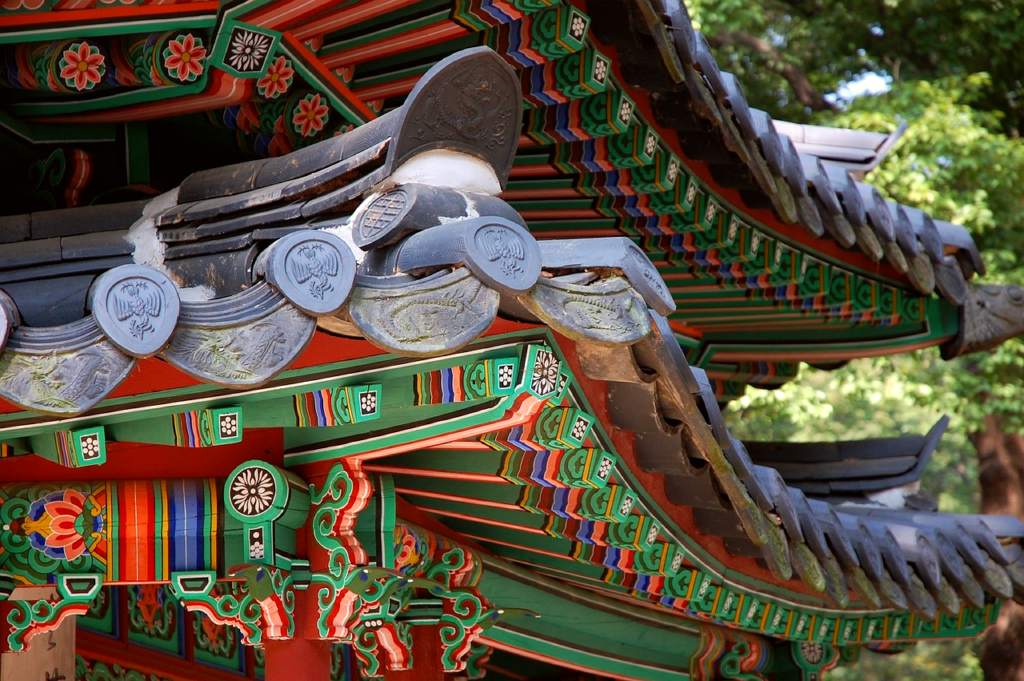
Changdeokgung Palace: known for its beautiful gardens
Insadong: a cultural district filled with art galleries and tea houses
Myeongdong: a bustling shopping district with street food
Dongdaemun Design Plaza: a modern architectural marvel
Cheonggyecheon Stream: a serene urban stream perfect for a stroll

"A city of contrasts and harmony"Seoul

Things to do

Visit a traditional tea house: experience Korean tea culture
Explore the street food scene: try tteokbokki and hotteok
Take a Han River cruise: enjoy the city skyline from the water
Attend a K-pop concert: immerse yourself in the local music scene

Local food and drinks

Kimchi: a staple fermented side dish
Bibimbap: a mixed rice dish with vegetables and meat
Samgyeopsal: grilled pork belly, often enjoyed with soju
Banchan: small side dishes served with meals
Gimbap: Korean rice rolls, perfect for a quick snack

Local traditions

Chuseok: a harvest festival celebrated with family gatherings
Seollal: Lunar New Year, marked by traditional games and food
Buddha's Birthday: celebrated with lantern festivals and parades
Kimjang: the communal preparation of kimchi, recognized by UNESCO
History - Seoul

History

Seoul's history dates back over 2,000 years, originally established as the capital of the Baekje Kingdom. It has since evolved through various dynasties, becoming the heart of Korea's cultural and political life.

The city underwent significant changes during the Japanese occupation in the early 20th century, followed by rapid industrialization post-Korean War. Today, Seoul stands as a global city, reflecting both its rich heritage and modern advancements.

Things to know

Beware of tourist traps in popular areas like Myeongdong
Public transport is efficient but can be crowded during rush hours
Street signs are often in Korean, so a translation app is helpful
Be cautious of scams targeting tourists, especially in busy markets

Do's and don'ts

Try to learn a few basic Korean phrases
Respect local customs, especially in temples
Use public transport to navigate the city easily
Explore beyond the main tourist spots for a local experience
Don't engage in loud conversations in public transport
Don't tip in restaurants, as it's not customary
Don't take photos in restricted areas, like some temples
Don't assume everyone speaks English; be patient

Good to know

Accessibility: Many areas are wheelchair accessible, but some historic sites may have limitations.
Price level: mid-range

Photo: Wikipedia / Wikimedia Commons