search
search
add New trip
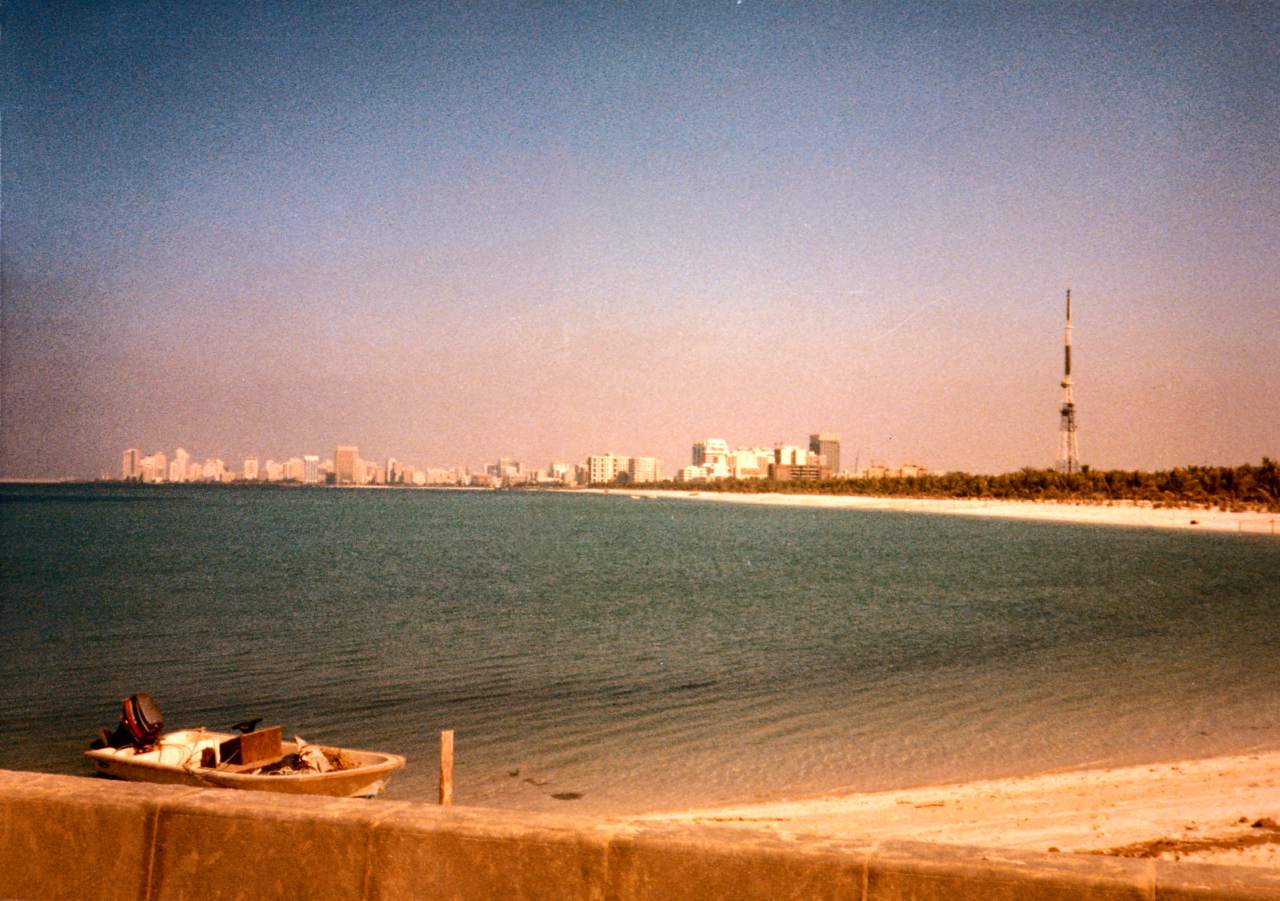
The Abu Dhabi skyline, 1987

United Arab Emirates

Department of State. Office of the Undersecretary for Manag… · Public domain
AE calendar_monthNov–Marbest time schedule10 daysplan for child_careYeswith kids confirmation_numberMid-rangeprice flagAbu Dhabicapital translateArabiclanguage
United Arab EmiratesYour own route Plan a trip here →

The United Arab Emirates is a fascinating blend of modernity and tradition, offering travelers a unique experience. From the towering skyscrapers of Dubai to the serene deserts of Abu Dhabi, this country is a mosaic of cultures and landscapes.

Read more

Visitors can explore luxurious shopping malls, traditional souks, and stunning natural wonders. However, the rapid development can sometimes overshadow local customs, so it's essential to balance modern attractions with cultural respect.

In pictures

The Abu Dhabi skyline, 1987 Department of State. Office of the Undersecretary for Manag… · Public domain
The Abu Dhabi skyline, 1987
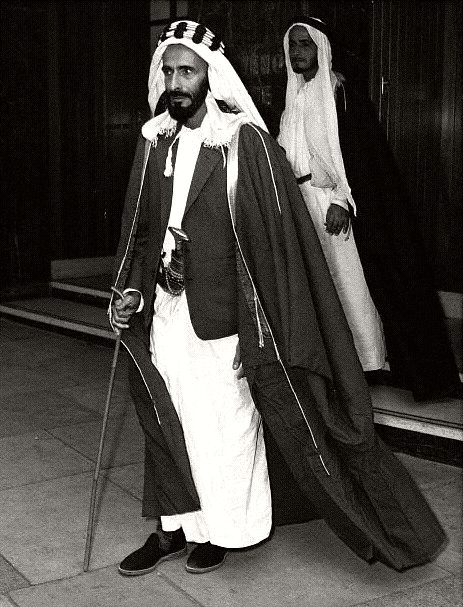
Sheikh Shakhbut bin Sultan Al Nahyan, brother of Sheikh Zayed, ruled Abu Dhabi from 1928 to 1966 Prince UAE · Public domain
Sheikh Shakhbut bin Sultan Al Nahyan, brother of Sheikh Zayed, ruled Abu Dhabi from 1928 to 1966

Sightseeing

Burj Khalifa: the tallest building in the world
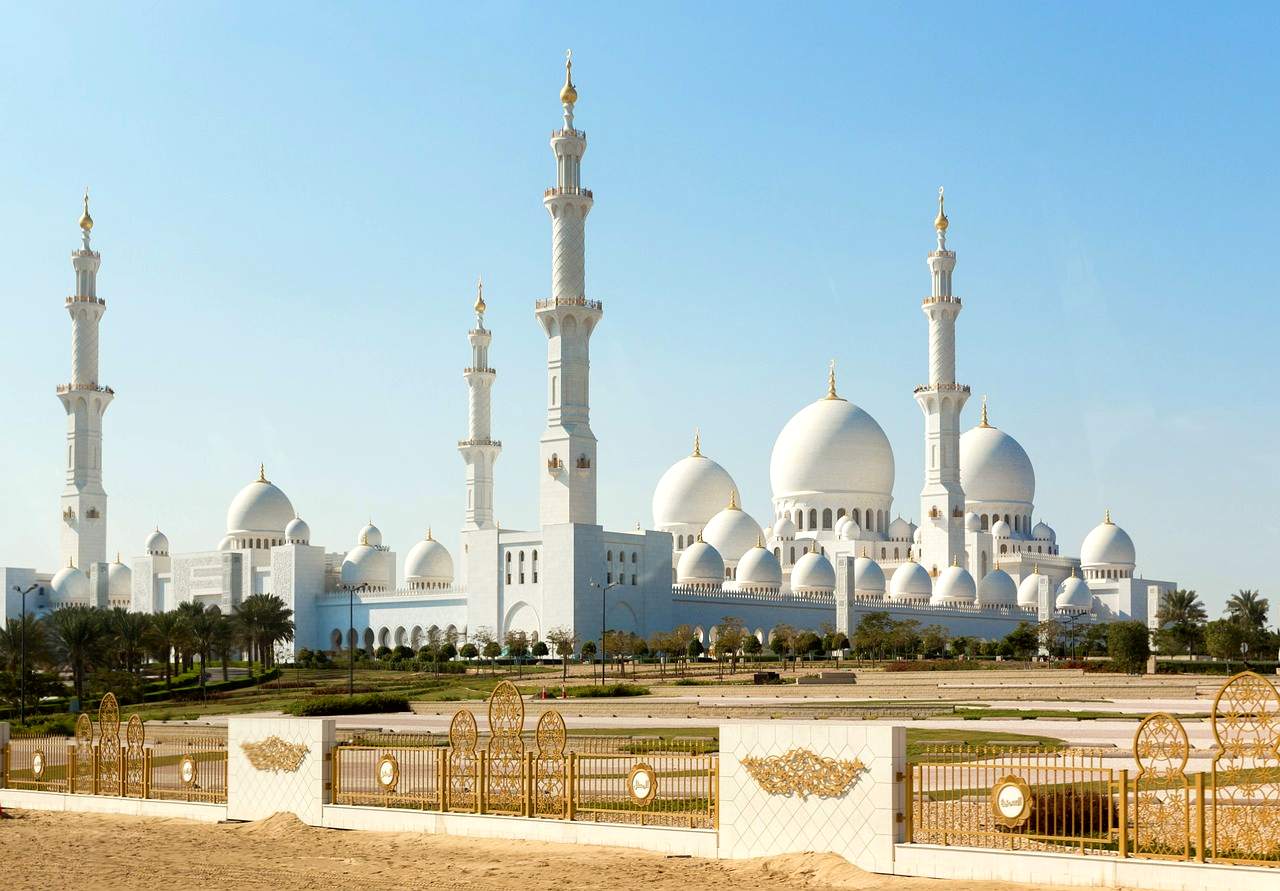
Sheikh Zayed Grand Mosque: an architectural marvel in Abu Dhabi
Dubai Mall: a shopping paradise with an aquarium
Louvre Abu Dhabi: a cultural landmark showcasing art
Jebel Jais: the highest mountain in the UAE, perfect for hiking
Al Ain Oasis: a UNESCO World Heritage site with palm groves
Desert Safari: thrilling adventures in the Arabian desert
Dubai Marina: a picturesque waterfront area with dining options

"Discover a world of contrasts"United Arab Emirates

Things to do

Visit the Dubai Fountain: a spectacular water show
Explore the Dubai Frame: a unique architectural landmark
Take a hot air balloon ride: enjoy stunning desert views
Experience traditional Emirati hospitality: dine with locals
Relax on the beaches: enjoy the sun and sea
Visit the heritage villages: learn about local culture

Local food and drinks

Shawarma: a popular street food, best enjoyed at local stalls
Hummus: a creamy dip, perfect with pita bread at any restaurant
Al Harees: a traditional dish made of wheat and meat, often served during Ramadan
Knafeh: a sweet pastry, try it at local bakeries
Arabic coffee: a must-try beverage, often served with dates
Falafel: a vegetarian delight, available in many eateries

Local traditions

Eid al-Fitr: a significant festival marking the end of Ramadan
National Day: celebrated on December 2nd with parades and fireworks
Camel racing: a traditional sport with deep cultural roots
Falconry: an ancient practice showcasing the bond between man and bird
Henna ceremonies: a beautiful tradition for weddings and celebrations

Do's and don'ts

Respect local customs and traditions
Try to learn a few Arabic phrases
Dress conservatively in public areas
Remove shoes when entering homes and mosques
Be polite and courteous to locals
Don't engage in public displays of affection
Don't take photos of people without permission
Don't drink alcohol in public places
Don't use offensive language or gestures
Don't disregard local laws and regulations

A symbol of unity and faith

The Sheikh Zayed Grand Mosque in Abu Dhabi is an architectural marvel. With its 82 domes and over 1,000 columns, it invites visitors to appreciate its intricate design. The mosque is open to everyone, regardless of faith, and offers guided tours that explain its significance. Be mindful of dress codes; women should wear abayas, which are available at the entrance. Visiting during sunset provides a unique experience as the mosque's white marble reflects the changing colors of the sky.

Art meets architecture

The Louvre Abu Dhabi is not just a museum; it is a cultural landmark. Its unique dome creates a 'rain of light' effect, making the visit visually striking. Inside, you can find artworks from various civilizations, including pieces by Van Gogh and Monet. Admission prices are reasonable, and the museum often hosts temporary exhibitions that showcase global art. Plan your visit on a weekday to avoid crowds and enjoy a more intimate experience with the art.

Luxury redefined

Emirates Palace in Abu Dhabi is a luxury hotel that reflects the opulence of the UAE. While staying here can be pricey, you can also visit for a meal or afternoon tea. The gold-flaked cappuccino is a popular choice among visitors. The hotel’s architecture is impressive, with grand chandeliers and lush gardens. Even if you are not staying overnight, walking through the grounds offers a glimpse into the lavish lifestyle of the region. Just remember to check for any dress codes before your visit.

Practical

At a glance

Population
9
Best time
November to March
Accessibility
Many areas are wheelchair accessible, but some attractions may not be.
Price level
Mid-range

Basic information

Capital: Abu Dhabi
Language: Arabic
Currency: United Arab Emirates Dirham
Best time to visit: November to March

Travel information

Fly into Dubai or Abu Dhabi for international access. Public transport is efficient, with metro and buses available. The Dubai Metro is a convenient option for getting around the city. Taxis are widely available but can be pricey, especially during peak hours. Credit cards are accepted, but carry cash for small purchases, particularly in markets. Wi-Fi is widely available in hotels and cafes, but it may be slower in some public areas.

Things to know

Dress modestly, especially in public places and mosques.
In the summer months, temperatures can exceed 40°C, so lightweight clothing is advisable.
Respect local customs during Ramadan, including fasting hours.
Be cautious of scams in tourist areas, especially with taxis.
Public displays of affection are frowned upon.
Alcohol consumption is regulated; check local laws, as some areas may have stricter rules than others.
history_eduHistoryexpand_more

The United Arab Emirates was formed in 1971, uniting seven emirates under a federal structure. Each emirate has its own ruler, with Abu Dhabi as the capital and Dubai as a major commercial hub.

Before unification, the region was known for its pearl diving and trade. The discovery of oil in the 20th century transformed the economy, leading to rapid development and modernization, while still preserving cultural heritage.

Photo: Department of State. Office of the Undersecretary for Management. Bureau of Ove… · Public domain · Wikimedia Commons

Photo credits (1)