search
search
add New trip
Bukhara

Bukhara

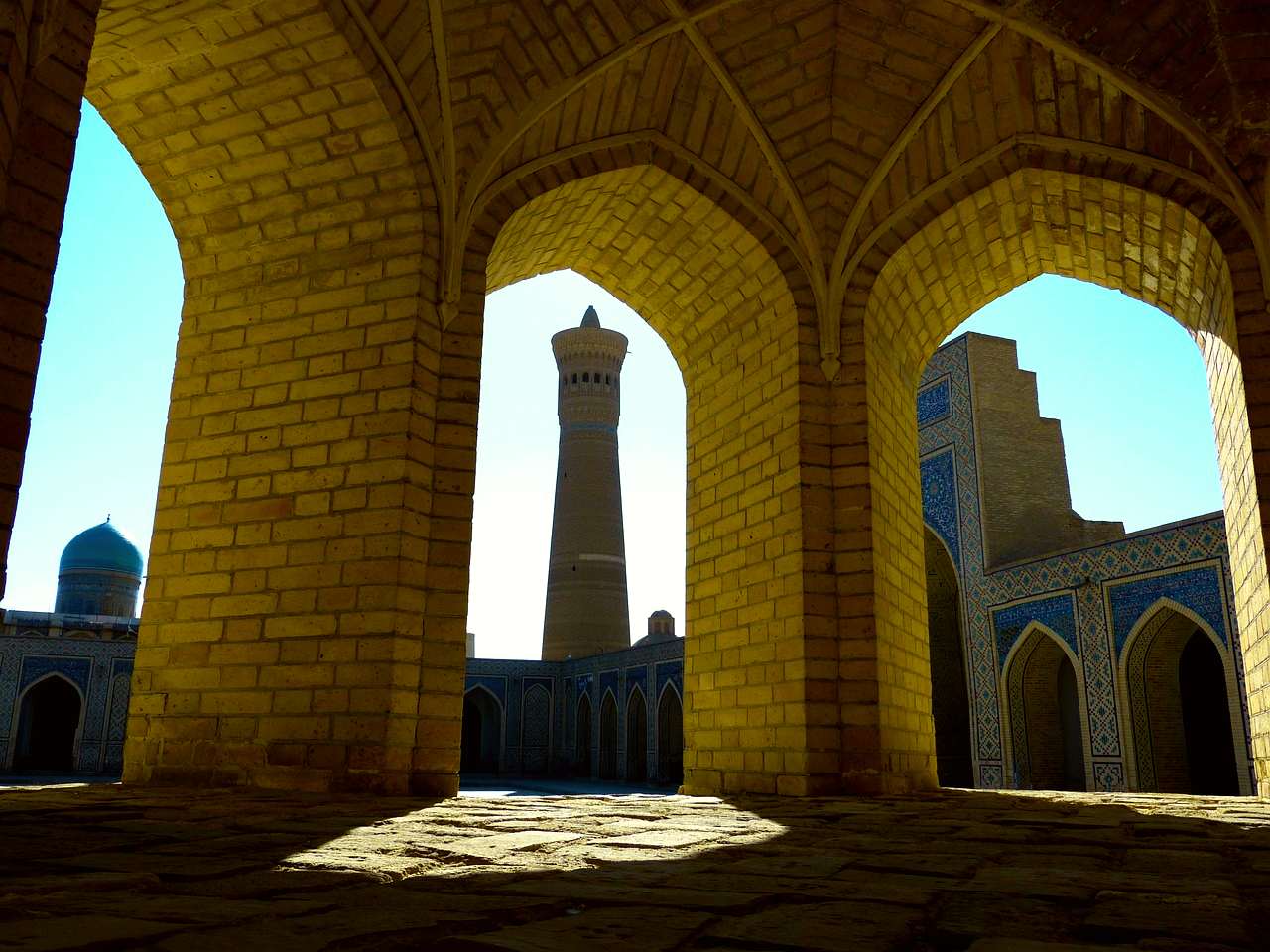
LoggaWiggler · Pixabay
calendar_monthApr–May, Sep–Octbest time schedule3 daysplan for child_careYeswith kids confirmation_numberMid-rangeprice
BukharaYour own route Plan a trip here →

Bukhara is a city steeped in history, with its origins tracing back over 2500 years. The architecture reflects its past as a center of trade and culture along the Silk Road, with impressive medressas and mosques lining the streets. Visitors can feel the weight of history in the air, especially in the Old City, where ancient structures stand as a testament to its rich heritage.

Read more

Walking through Bukhara, you will encounter a mix of locals and travelers. The atmosphere is relaxed, but be prepared for the occasional tourist trap. The best way to experience the city is to wander its streets, stopping at local eateries and markets to soak in the culture and flavors of this unique destination.

Routes through here

Every route opens in the planner as your own copy: change any stop, any night.

In pictures

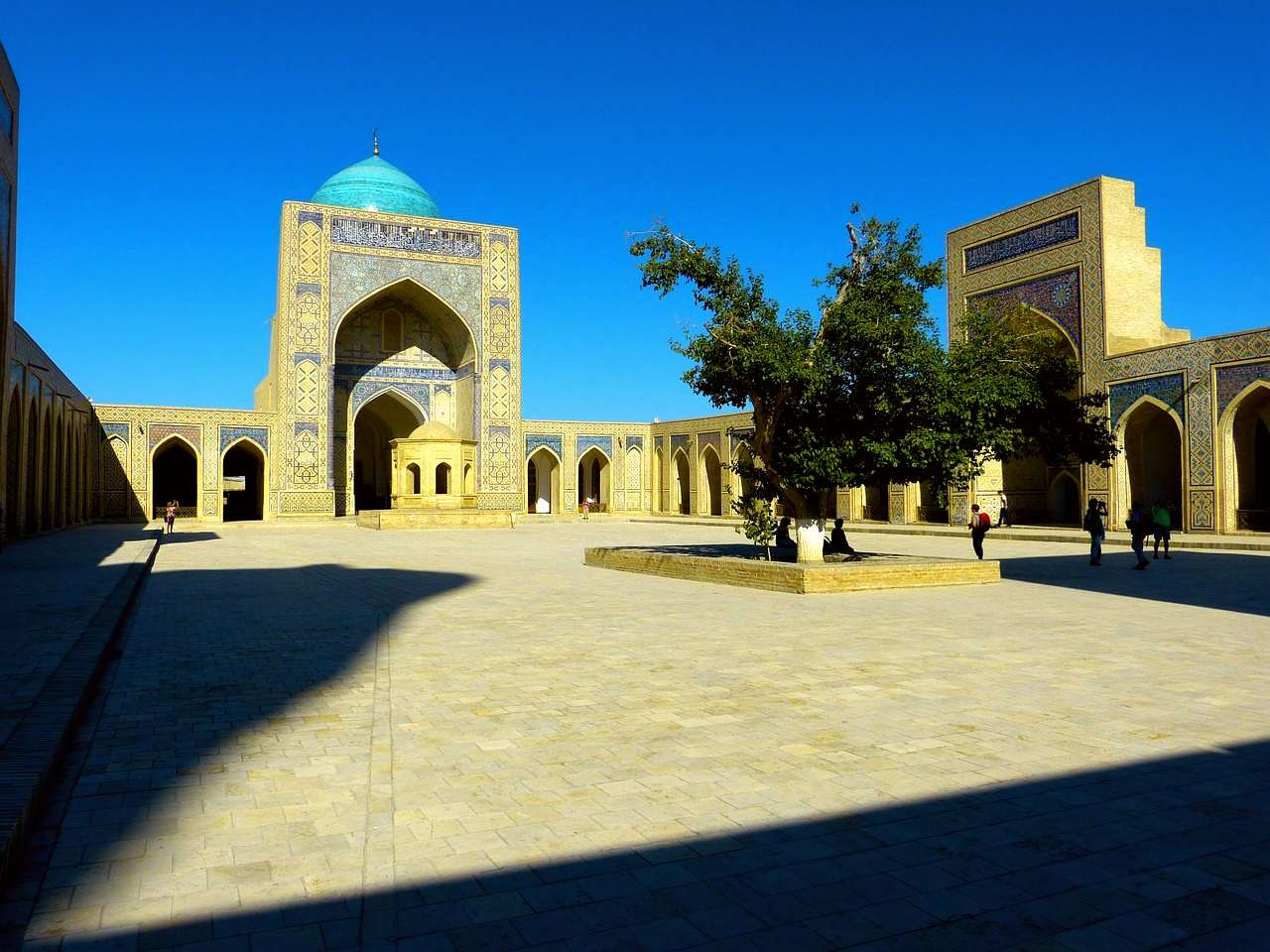
Bukhara mtorrazzina · Pixabay
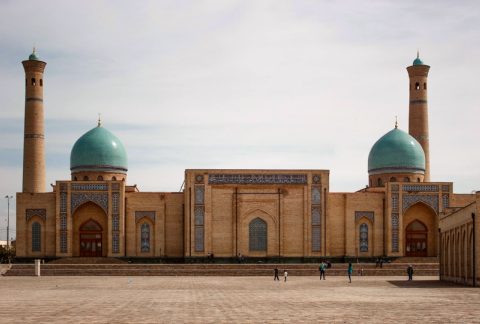
Bukhara falco · Pixabay
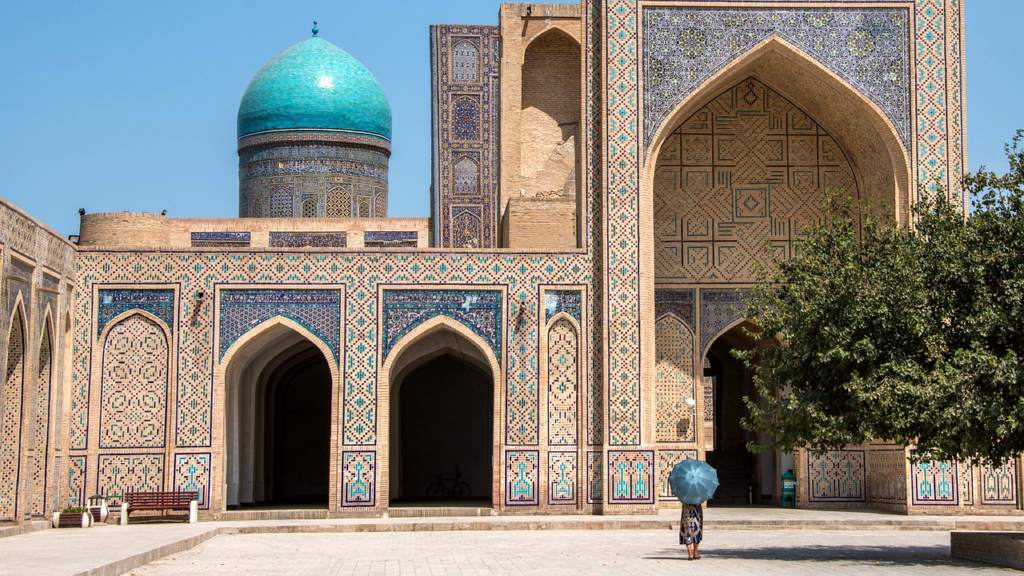
Bukhara LoggaWiggler · Pixabay

Sightseeing

Lyab-i Hauz: a historic plaza with a pool from the 16th century
Kukeldash Madrassah: once the largest madrassah in the Islamic world, built in 1568
Nadir Devan-begi Madrassah: originally a caravansarai, converted in 1622
Ark Fortress: a massive fortress that served as the residence of Bukhara's rulers
Kalyan Minaret: an iconic minaret standing 47 meters tall, built in 1127
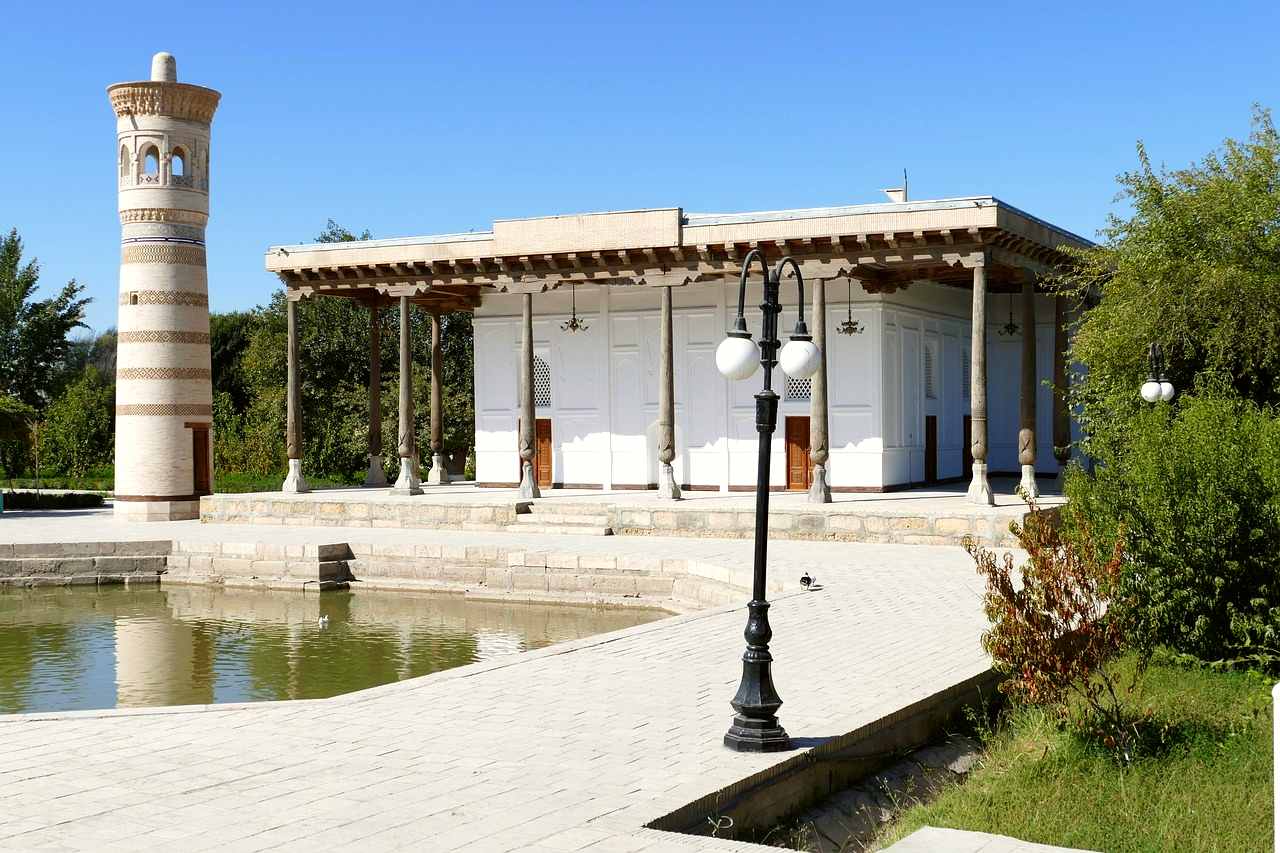
Bolo Haouz Mosque: known for its beautiful wooden pillars and serene courtyard
Chashma-Ayub Mausoleum: a significant burial site with a unique architectural style
Samanid Mausoleum: a masterpiece of early Islamic architecture, dating back to the 9th century

"A city of history and culture"Bukhara

Things to do

Visit local bazaars for authentic shopping experiences.
Relax in a traditional hammam for a unique cultural experience.
Attend a local football match at Buxoro Arena during the season, which runs from March to November.
Explore the ancient streets of the Old City on foot, where you can see the Ark of Bukhara and other historical sites.
Join a local family for dinner to experience traditional Uzbek hospitality, especially near Kalyan Mosque.

Local food and drinks

Plov: a hearty rice dish with meat and vegetables, a staple of Uzbek cuisine
Doston House: a charming restaurant in a 19th-century guesthouse
Bolo Khauz Teahouse: offers a mix of local dishes and tea in a scenic setting
Silk Road Tea House: serves a variety of herbal and spice teas
Shorud Wine Tasting: a local spot for wine enthusiasts to sample regional wines

Local traditions

Navruz: the Persian New Year celebrated with festivities in March
Ramadan: a month of fasting observed by the local Muslim community
Traditional weddings: often elaborate events with rich cultural significance
Craftsmanship: Bukhara is known for its carpet weaving and pottery traditions

Do's and don'ts

Explore the Old City on foot to appreciate its architecture
Try local dishes at family-run restaurants
Visit the bazaars early in the day for the freshest goods
Engage with locals to learn about their culture
Don't rush through the sights; take your time to absorb the atmosphere
Don't ignore local customs, especially during Ramadan
Don't expect all places to accept credit cards; carry cash
Don't miss the chance to haggle at markets

Explore Bukhara's architectural wonders

Bukhara's skyline is dominated by intricate domes and towering minarets. The Kalyan Minaret, standing at 47 meters, is a striking example of the city's architectural heritage. Nearby, the Ark Fortress offers a glimpse into the past with its massive walls and ancient halls. As you wander through the Old City, take time to appreciate the craftsmanship of the medressas, where students once studied Islamic theology. The atmosphere is calm, but be aware that some areas can be crowded with tourists. Visiting in spring or autumn can provide a more pleasant experience, as the weather is mild and the city is less busy.

Savor local flavors at the market

The Bukhara market is a sensory experience, filled with the aromas of spices and fresh produce. Here, you can find everything from plov, a rice dish cooked with meat and carrots, to dried fruits and nuts. Vendors are often eager to share their products, so don’t hesitate to ask for samples. Prices are generally reasonable, but be cautious of overly touristy stalls that may charge more. Visiting in the morning is ideal, as the market is lively and the selection is at its best. This is a great opportunity to interact with locals and learn about their culinary traditions.

Experience the tranquility of the Old City

Strolling through the narrow streets of Bukhara's Old City feels like stepping back in time. The ancient buildings, adorned with intricate tile work, create a serene atmosphere. Take a moment to relax in one of the many courtyards, where you can enjoy a cup of green tea while watching the world go by. Be mindful of your surroundings, as some areas can be less maintained. Visiting during the early morning or late afternoon can provide a quieter experience, allowing you to appreciate the beauty of this historic area without the crowds.

Practical

At a glance

Founded
600 BC
Population
250.000
Accessibility
Some areas are wheelchair accessible, but many streets are uneven
Price level
Mid-range

Things to know

Be cautious of tourist traps, especially in the Old City.
Public transport can be limited; consider walking or using taxis.
Bargaining is expected in markets, so negotiate prices.
Safety is generally good, but keep an eye on your belongings.
In 2024, the city is seeing increased tourism, so popular sites may be crowded during peak seasons.
history_eduHistoryexpand_more

Bukhara's history is marked by its transformation into a major Islamic center after the Arab conquest in 751 AD. The city flourished under the Samanid dynasty in the 9th and 10th centuries, becoming a hub for scholars and artists. Its strategic location on the Silk Road facilitated trade and cultural exchange, leading to a rich tapestry of influences.

The city faced challenges, including the devastation wrought by Genghis Khan in 1220. However, it regained prominence under the Shaybanid khanate from 1506 to 1598. This period saw the construction of many of the architectural wonders that define Bukhara today, including medressas and mosques that still attract visitors.

Photo: LoggaWiggler · Pixabay Content License · Pixabay

Photo credits (3)