search
search
add New trip
Khiva

Khiva

1965937 · Pixabay
1965937 · Pixabay
calendar_monthApr–May, Sep–Octbest time schedule2 daysplan for directions_car5 h 30from Bukhara child_careYeswith kids confirmation_numberMid-rangeprice
KhivaYour own route Plan a trip here →

Khiva offers a unique glimpse into Uzbekistan's past, with its well-preserved architecture and historical significance. The old town, Itchan Kala, is compact, allowing visitors to explore its narrow streets lined with mosques and minarets within a short time.

Read more

While the city has been restored, it retains an authentic charm. You can sense the history in the air, but be prepared for a mix of tourist crowds and local life. The atmosphere shifts from quiet mornings to busier afternoons as visitors arrive to soak in the sights.

Routes through here

Every route opens in the planner as your own copy: change any stop, any night.

In pictures

Khiva LoggaWiggler · Pixabay
Khiva ManonCé · Pixabay

Sightseeing

Itchan Kala: the historical heart of Khiva, featuring ancient architecture
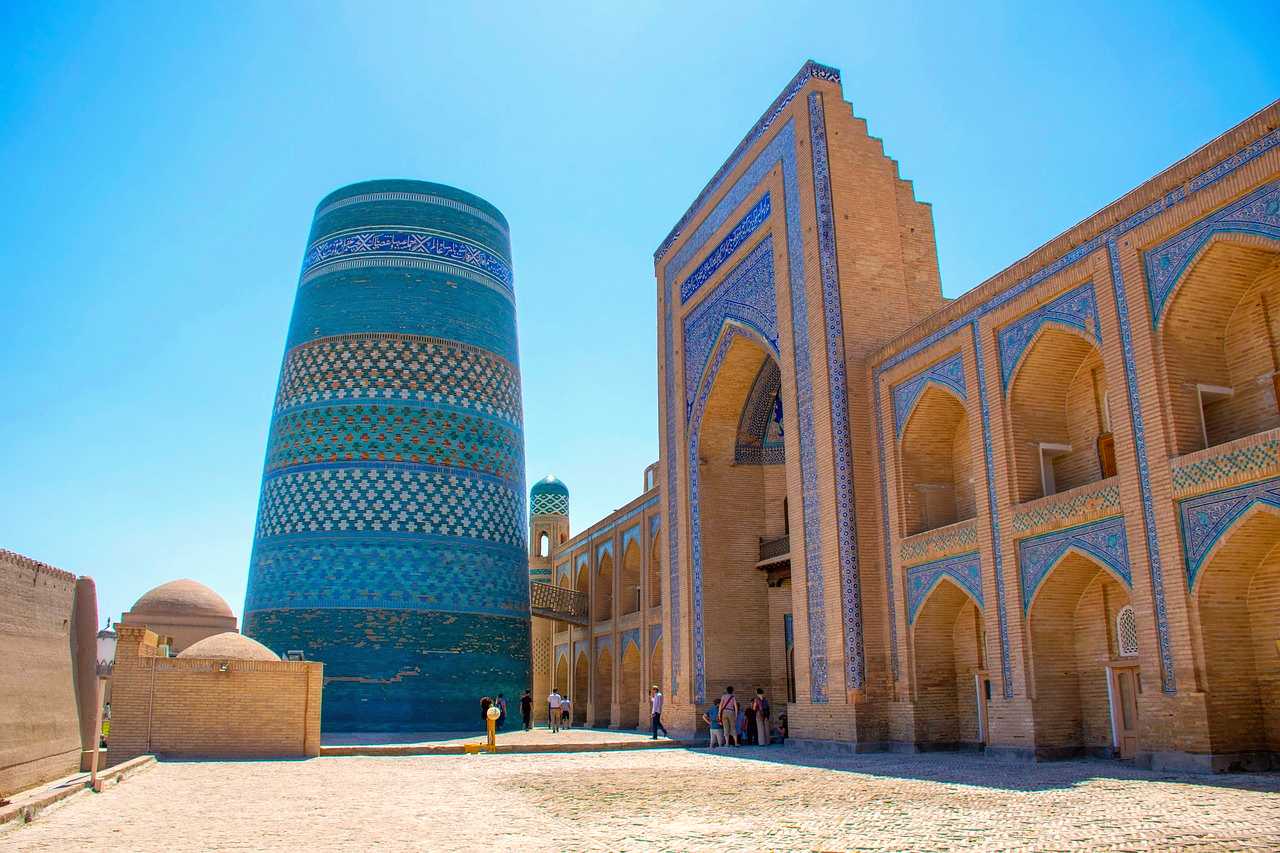
Kalta Minor: an unfinished minaret with a striking blue tile exterior
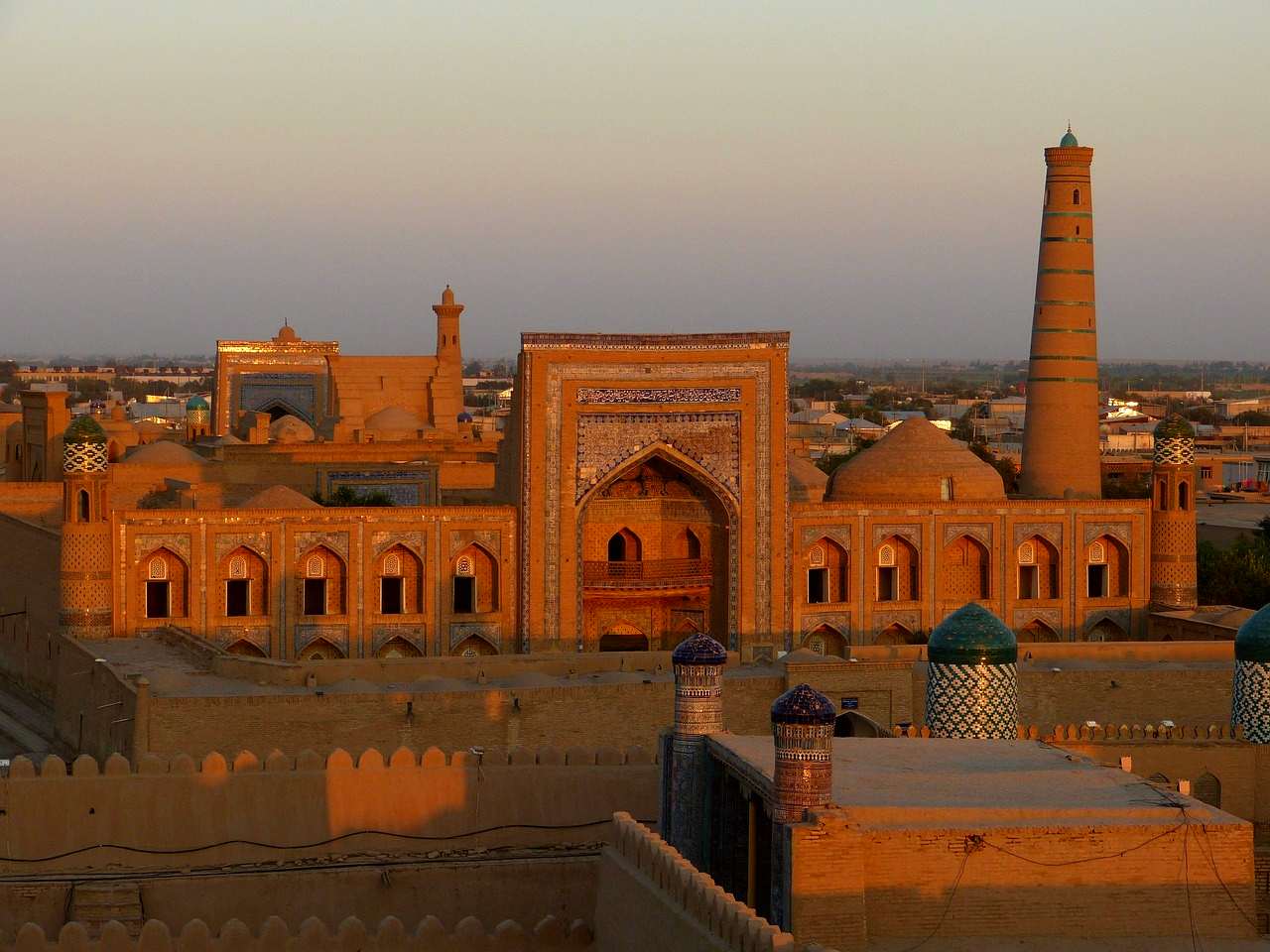
Islam Khoja Minaret: the tallest minaret in Khiva, offering panoramic views
Kunya-Ark Citadel: the former royal fortress with a rich history
Tash Khauli Palace: a beautiful example of Khorezm architecture
Pakhlavan Makhmud Mausoleum: a tribute to a famous poet and wrestler
Juma Mosque: known for its unique wooden pillars and serene atmosphere
Stone Mosque: a lesser-known site with intricate designs

"A journey through time and culture"Khiva

Things to do

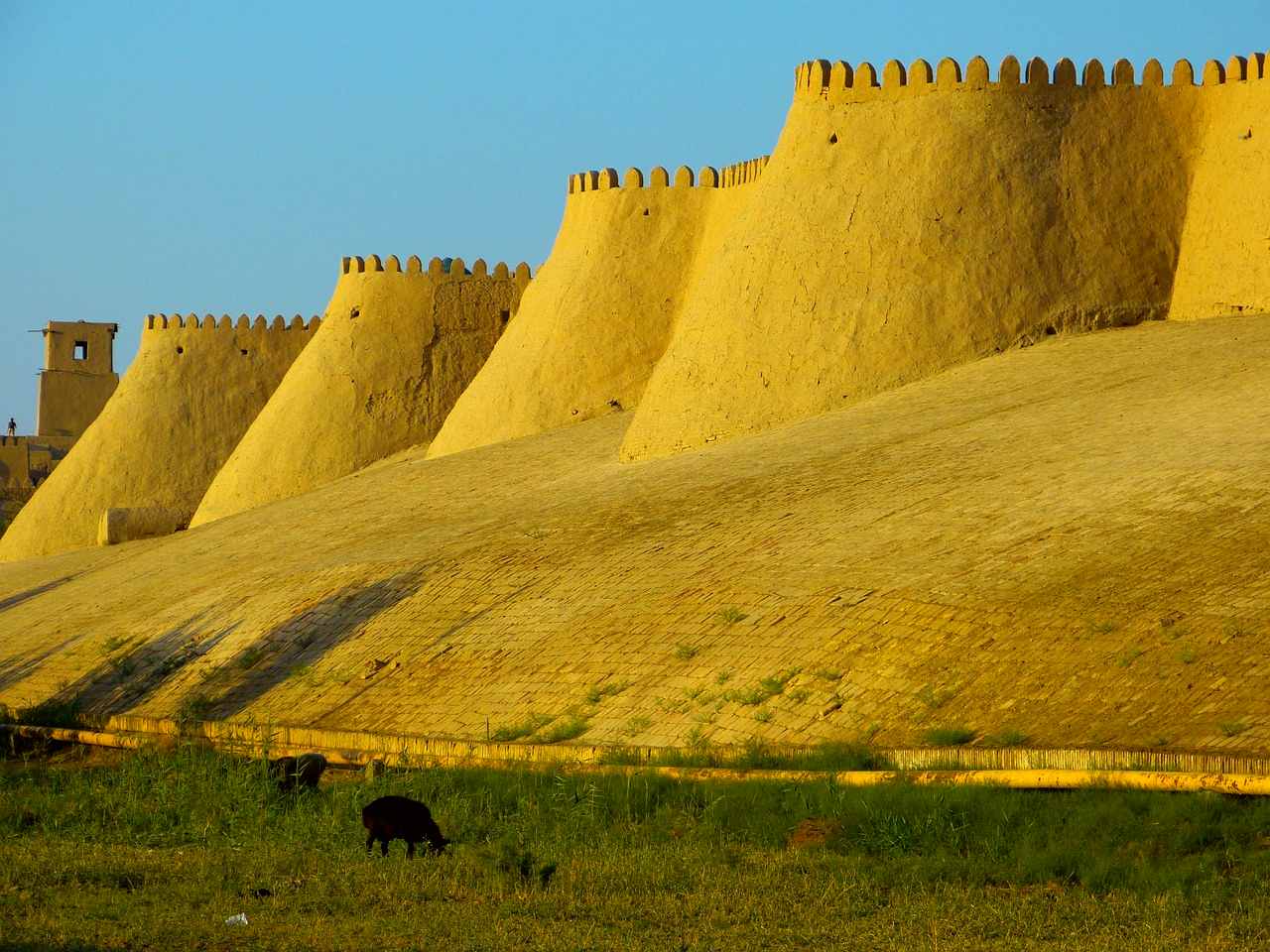
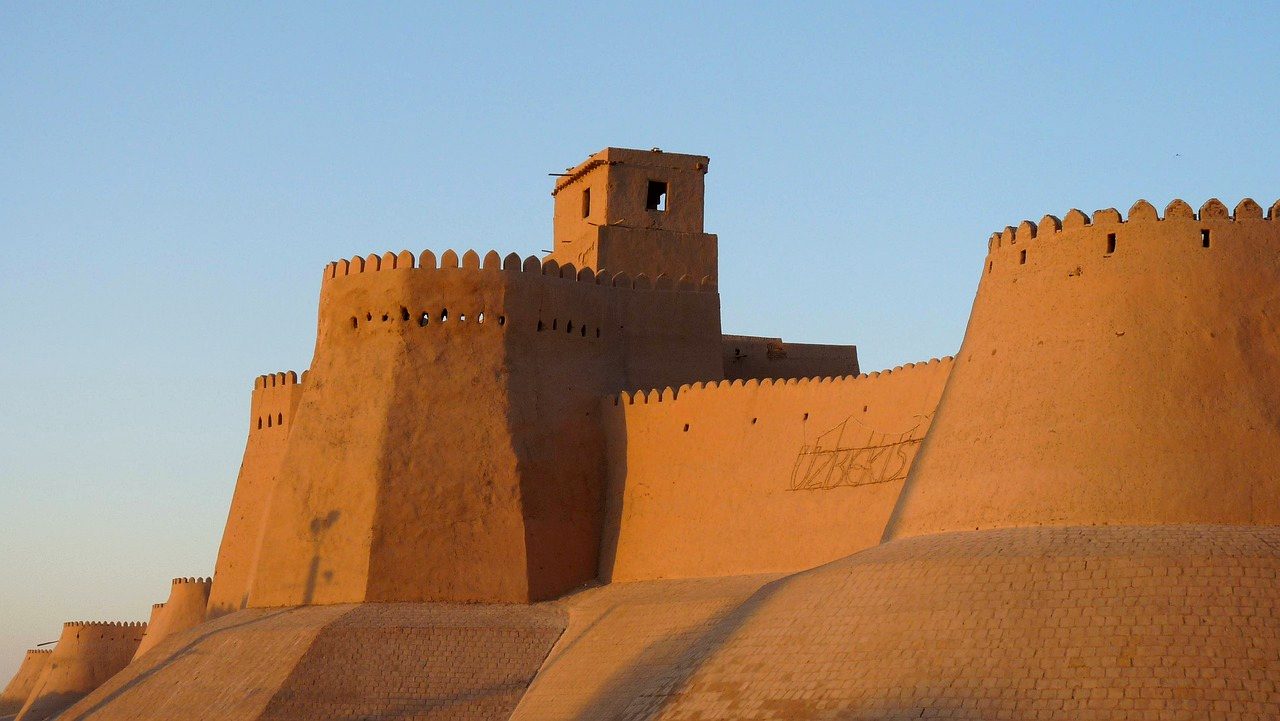
Walk the city walls for views of the old town and surrounding areas.
Visit a silk workshop to see artisans at work and learn about traditional techniques.
Explore local markets to find unique souvenirs and experience daily life.
Dine on a rooftop at places like Bir Gumbaz for local dishes with a view of the Kalta Minor.

Local food and drinks

Zerafshan Chaikhana: serves local specialties in a historic setting
Bir Gumbaz: offers a fine view of Kalta Minor while dining
Farrukh: features a decorated yurt and a cozy atmosphere
Parvoz: a budget-friendly option outside the old town
Khorezm Art Restaurant: a collaboration supporting local artisans

Local traditions

Navruz: celebrated in March, marking the Persian New Year
Khiva Silk Festival: showcases local craftsmanship and traditions
Local weddings: often elaborate, featuring traditional music and dance
Ramadan: observed with fasting and communal meals in the evenings

Do's and don'ts

Take your time exploring the narrow streets
Engage with local artisans and ask questions
Try local dishes at various eateries
Respect local customs and dress modestly
Don't rush through the historical sites
Don't ignore local advice on safety and transport
Don't take photos in restricted areas without permission
Don't haggle too aggressively in markets

Explore the ancient architecture of Khiva

The skyline of Khiva is defined by its intricate minarets and domes, particularly in the Itchan Kala area. Walking through the narrow streets, you will encounter the Kalta Minor Minaret, which stands at 26 meters tall. This unfinished structure, with its turquoise tiles, tells a story of ambition and artistry. As you wander, take a moment to appreciate the craftsmanship of the mosques and madrasas. The atmosphere shifts as the sun sets, casting a warm glow over the ancient walls, making it a perfect time for photography.

Experience local life in Khiva

Khiva's streets are alive with the sounds of daily life. As you stroll through the bazaars, you can find vendors selling everything from spices to handmade carpets. The local market is a great place to sample traditional dishes like plov, a rice dish often served with lamb and carrots. Be prepared for a mix of tourists and locals, especially during the afternoon. The atmosphere can feel busy, but it adds to the charm of the city. Don't hesitate to engage with the locals; many are eager to share stories about their culture and traditions.

Savor the flavors of Khiva

Dining in Khiva offers a chance to taste authentic Uzbek cuisine. Head to a local chaikhana, or tea house, where you can enjoy a cup of green tea alongside fresh bread and seasonal salads. The atmosphere is relaxed, making it a great spot to unwind after a day of exploring. For a heartier meal, try the shashlik, skewered meat grilled to perfection. Prices are reasonable, allowing you to sample a variety of dishes without breaking the bank. The flavors reflect the region's rich culinary heritage.

Practical

At a glance

Founded
600 BC
Population
50.000
Accessibility
Some areas are wheelchair accessible, but many streets are uneven.
Price level
Mid-range

Things to know

Be cautious of tourist traps, especially in markets.
Transport options can be limited; plan ahead for getting around.
Safety is generally good, but stay aware of your surroundings.
Timing your visit can help avoid large crowds, especially in peak season.
The best months to visit are April to June and September to October, when the weather is milder.
history_eduHistoryexpand_more

Khiva has a long history as a trading post, particularly during the Silk Road era. It was known for its role in the slave trade, which left a dark mark on its past. The city was a center of culture and commerce, attracting merchants and travelers from various regions.

In the 20th century, Khiva underwent significant restoration, particularly during the Soviet era. Many of its historical buildings were refurbished, giving the city a polished appearance. Today, it stands as a testament to its rich heritage, drawing visitors eager to learn about its complex history.

Photo: 1965937 · Pixabay Content License · Pixabay

Photo credits (3)