search
search
add New trip
Samarkand

Samarkand

LoggaWiggler · Pixabay
calendar_monthApr–May, Sep–Octbest time schedule3 daysplan for child_careYeswith kids confirmation_numberMid-rangeprice
SamarkandYour own route Plan a trip here →

Samarkand is a city where history feels alive. The streets are lined with architectural marvels that tell stories of ancient trade routes and empires. Walking through the city, you can sense the blend of cultures that have shaped its identity over centuries.

Read more

Visitors often find themselves captivated by the vibrant bazaars and the aroma of local dishes wafting through the air. The atmosphere is a mix of tradition and modernity, making it a unique place to explore.

Routes through here

Every route opens in the planner as your own copy: change any stop, any night.

In pictures
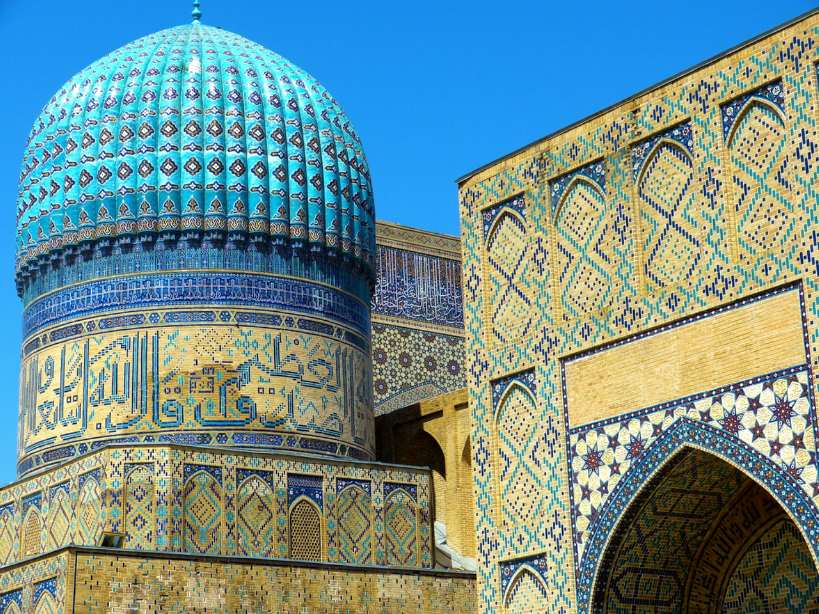
Samarkand LoggaWiggler · Pixabay

Sightseeing

Registan: the iconic square surrounded by three grand madrasahs
Shah-i-Zinda: a stunning necropolis with intricate tile work
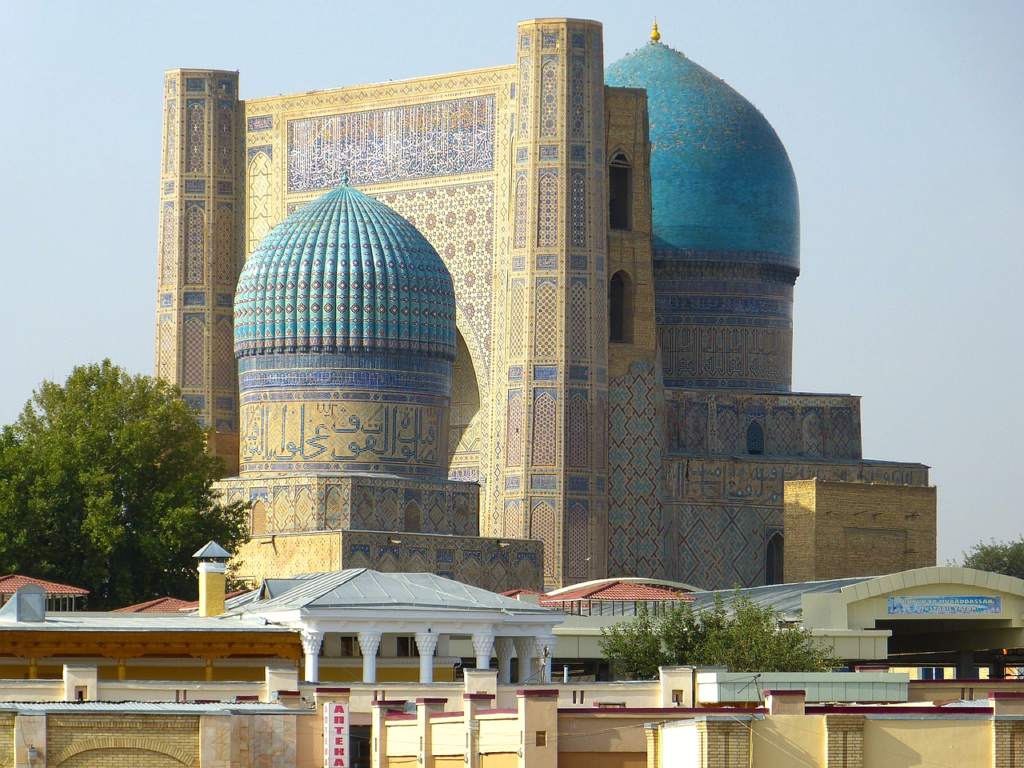
Bibi-Khanym Mosque: a monumental mosque built in the 15th century
Ulugh Beg Observatory: an ancient astronomical site with historical significance
Afrosiab: the archaeological site of the ancient city
Samarkand Silk Carpet Factory: see traditional carpet weaving in action
Siyob Bazaar: a lively market for local produce and crafts
Eternal City: a modern complex with cultural attractions and entertainment

"A city of history and culture"Samarkand

Things to do

Explore the Registan at sunset for beautiful lighting.
Visit the local bazaars for authentic souvenirs.
Take a boat ride on the Samarkand Rowing Canal.
Enjoy a traditional plov meal at Historic, Suzangaron, just a few meters from the Registan.
Attend a cultural performance at the Eternal City complex, which opened in 2022.

Local food and drinks

Plov: rice dish with meat and vegetables, a local staple
Samarkand Non: traditional bread, often shaped like a bowl
Shashlik: skewered meat, popular in local eateries
Cafe Magistr: a central spot with vegetarian options
Old City Restaurant: offers a variety of Uzbek dishes and drinks

Local traditions

Navruz: the Persian New Year celebrated with festivities
Ramadan: observed with fasting and special evening meals
Wedding customs: elaborate celebrations with traditional music and dance
Craftsmanship: local artisans continue age-old practices in weaving and pottery

Do's and don'ts

Try local dishes at various restaurants
Bargain at the bazaars for better prices
Respect local customs and dress modestly
Learn a few basic phrases in Uzbek or Russian
Don't take photos in restricted areas without permission
Don't expect all menus to have English translations
Don't ignore local dining customs, such as sharing meals
Don't rush through the historical sites; take your time

Practical

At a glance

Founded
600 BC
Population
500.000
Accessibility
Some areas are wheelchair accessible, but many sites have stairs
Price level
Mid-range

Things to know

Be cautious of tourist traps in busy areas.
Public transport can be limited; taxis are available but negotiate fares.
Some sites may have steep stairs; check accessibility in advance.
Visit during spring or autumn for milder weather, especially in April and October.
history_eduHistoryexpand_more

Samarkand's history stretches back thousands of years, with evidence of settlement as early as the 8th century BC. It became a significant hub on the Silk Road, connecting various cultures and facilitating trade. The city has seen numerous conquerors, each leaving their mark on its architecture and culture.

During the Timurid era in the 14th and 15th centuries, Samarkand flourished under the rule of Timur (Tamerlane). This period saw the construction of many of the city's most famous landmarks, including the Registan and Bibi-Khanym Mosque, which reflect the grandeur of its past.

Photo: LoggaWiggler · Pixabay Content License · Pixabay

Photo credits (1)