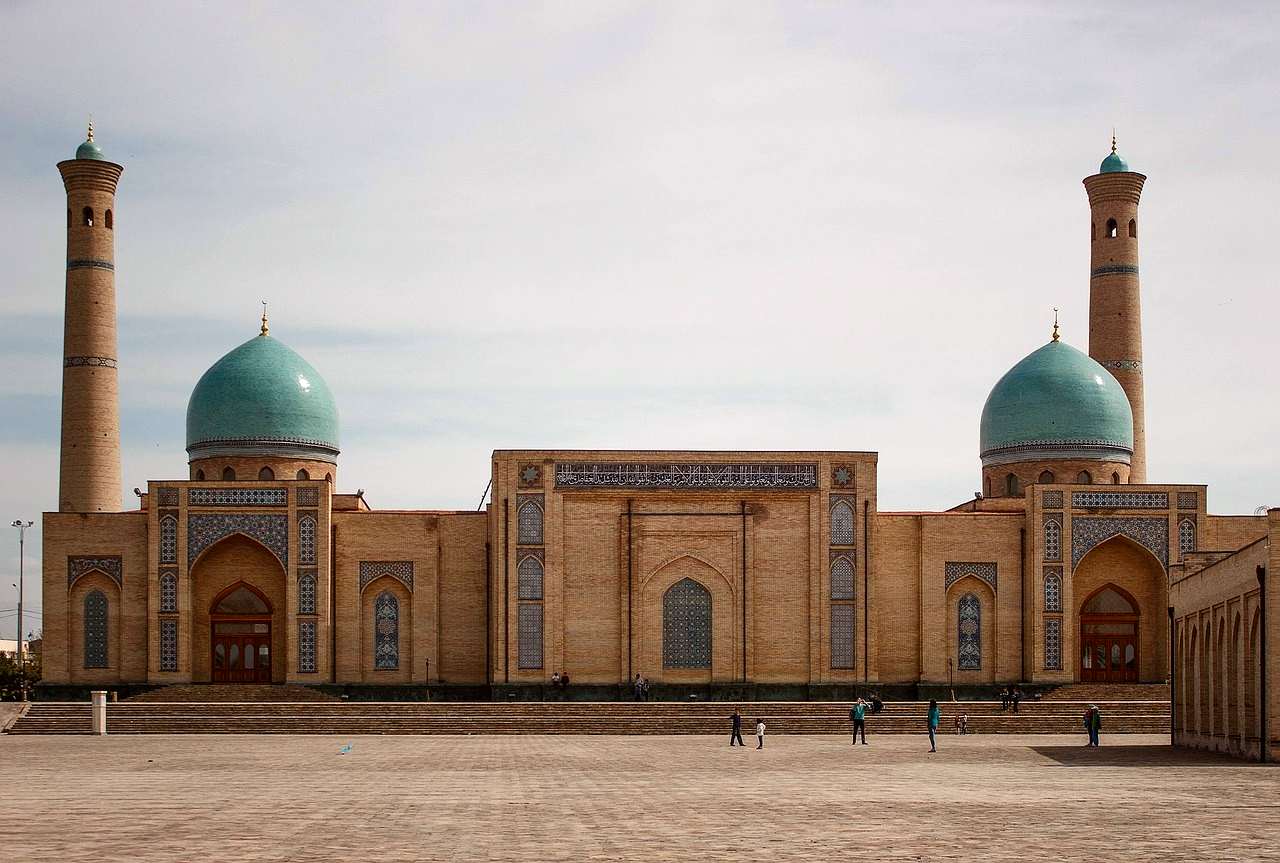
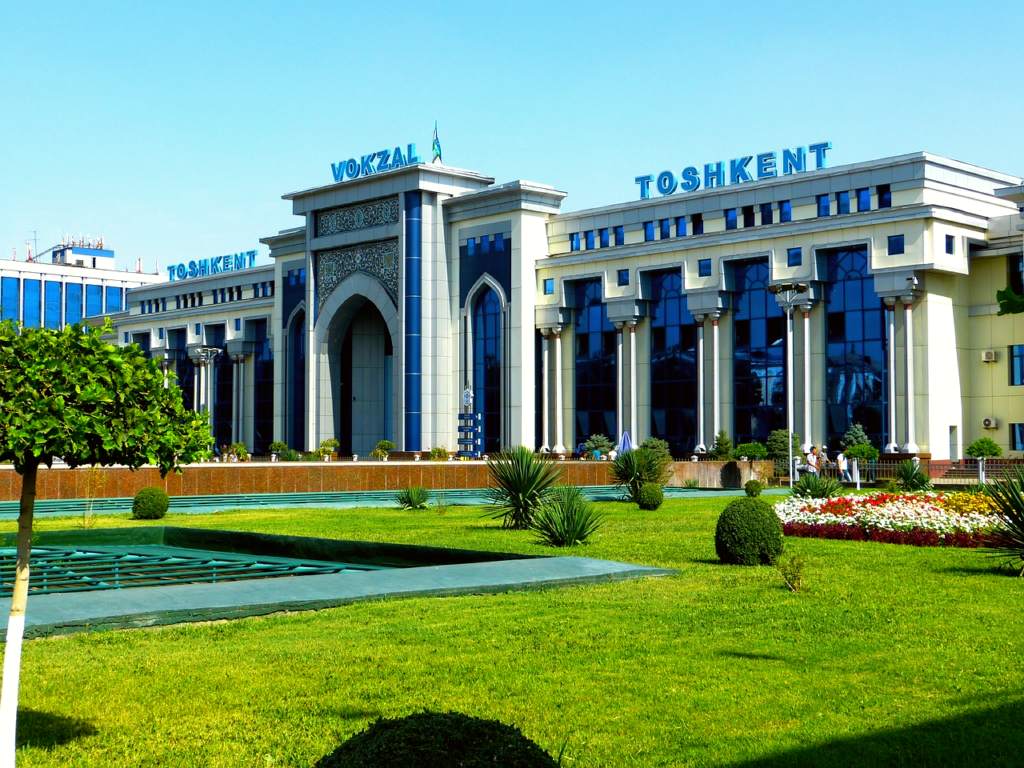
Tashkent is a city where modernity meets history. The wide boulevards and Soviet-era architecture contrast with the ancient mosques and bustling bazaars, creating a unique atmosphere. Visitors can explore both the old and new sides of this capital city.
Read more
The streets are often filled with the aroma of local dishes and the sounds of daily life. While the city is generally safe, navigating the traffic can be a challenge. Expect a mix of traditional culture and contemporary urban life as you wander through Tashkent.
Chorsu Bazaar: a lively market with fresh produce and local goods
Alisher Navoi Opera and Ballet Theatre: a grand venue for performances
Kukeldash Madrasah: a historic Islamic school dating back to the 16th century
Independence Square: a central park with monuments and fountains
Khast Imam Complex: home to ancient manuscripts and beautiful architecture
State Museum of History: showcases Uzbekistan's rich past
Tashkent Metro: known for its ornate stations and efficient service
Amir Timur Square: a central gathering place with a statue of the famous conqueror
"A blend of history and modernity"Tashkent
Things to do
Stroll through Alisher Navoiy Park: enjoy the greenery and the artificial lake.
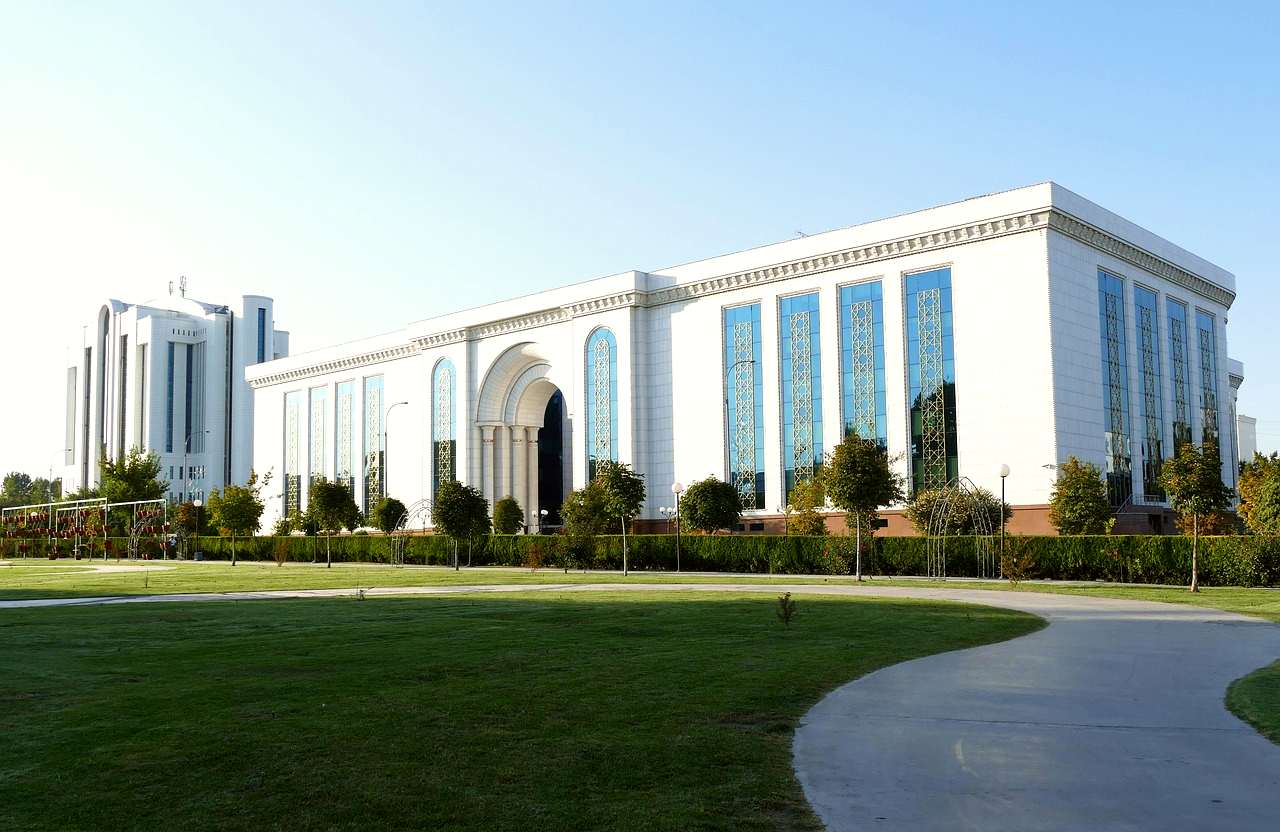
Visit the National Library: explore a vast collection of books, but remember to register in Uzbek to enter.
Relax at Do’stlik Recreation Park: rent a boat on the lake, open daily from 08:00 to 23:00.
Experience local life at Chorsu Bazaar: shop for spices and handicrafts, and enjoy the lively atmosphere.
Take a ride on the Tashkent Metro: admire the unique station designs, including the recently recognized Kosmonavtlar Metro Station.
Local food and drinks
Plov: a rice dish with meat and vegetables, a local favorite
Besh Qozon: a popular restaurant known for its plov
Bravissimo: a cafe offering local food and pastries
Cafe Bukhara: a relaxed spot near the concert hall
Kuratny: a nightclub and shisha cafe with a lively atmosphere
Local traditions
Navruz: the Persian New Year celebrated with festivities
Ramadan: a month of fasting observed by many locals
Wedding ceremonies: often elaborate and colorful events
Traditional music and dance: performances are common at cultural events
Do's and don'ts
Try local dishes at various eateries
Explore the bazaars for unique souvenirs
Use public transport to navigate the city
Learn a few basic Uzbek phrases to enhance your experience
Don't drink tap water; opt for bottled instead
Don't ignore traffic rules when crossing streets
Don't take photos in restricted areas, especially military sites
Don't expect all places to accept credit cards; carry cash
A taste of Tashkent's modern side
Nest One is a contemporary café that captures the essence of Tashkent's evolving food scene. Here, you can enjoy a cup of aromatic coffee or sample local dishes like plov, a rice dish cooked with meat and vegetables. The café's design features clean lines and a cozy atmosphere, making it a great spot to relax after exploring the city. While the service is generally friendly, it can be slow during peak hours. This is a place where locals and visitors alike come together, reflecting the blend of tradition and modernity that defines Tashkent.
Step into Tashkent's rich history
The Kukaldash Madrasah, built in the 16th century, stands as a testament to Tashkent's historical significance. This architectural marvel features intricate tile work and a serene courtyard where you can take a moment to appreciate the craftsmanship. The madrasah is located near the Chorsu Bazaar, making it easy to combine a visit with a stroll through the market. Be prepared for crowds, especially on weekends, as both locals and tourists flock to this cultural site. It is a peaceful spot amidst the city's hustle, offering a glimpse into the past.
Evenings in Tashkent come alive
As night falls, Tashkent transforms into a lively scene filled with lights and sounds. The streets are lined with restaurants and cafés where you can enjoy dishes like shashlik, skewered meat grilled to perfection. The atmosphere is relaxed, with families and friends gathering to share meals and stories. While the city is generally safe at night, it's wise to stay aware of your surroundings. Exploring Tashkent after dark offers a different perspective, revealing the city's charm and energy in a new light.
Practical
At a glance
Founded
600 BC
Population
2.500.000
Accessibility
Some areas are accessible, but many are not
Price level
Mid-range
Things to know
Traffic can be heavy, so plan your travel times accordingly.
Some areas may not be wheelchair accessible.
Bargaining is common in markets, but be respectful.
Watch out for unofficial currency exchanges, stick to ATMs.
history_eduHistoryexpand_more
Tashkent's origins trace back to the 5th century BC as the town of Chach. It thrived due to agriculture but faced destruction by Genghis Khan in 1220. The city rebuilt itself through trade and became known for its mosques during the 15th century, although it was overshadowed by Samarkand and Bukhara. The 19th century brought industrialization and Russian colonization, transforming Tashkent into a major urban center in Central Asia. The city has since evolved, blending its rich history with modern development.