search
search
add New trip

Hue

calendar_monthOct–Febbest time schedule3 daysplan for child_careYeswith kids
HueYour own route Plan a trip here →

Hue, the former imperial capital of Vietnam, is a city steeped in history and culture. Visitors are often captivated by its serene atmosphere, with the Perfume River winding through ancient citadels and pagodas, offering a glimpse into the country's royal past.

Read more

The city is a blend of traditional Vietnamese architecture and French colonial influences, creating a unique charm. However, the pace can be slow, and some areas may feel less vibrant compared to bustling cities like Hanoi or Ho Chi Minh City.

Sightseeing

Imperial City: a UNESCO World Heritage site with stunning architecture
Thien Mu Pagoda: an iconic seven-story pagoda overlooking the river
Tomb of Khai Dinh: a unique blend of Eastern and Western architectural styles
Tomb of Minh Mang: known for its harmonious landscape and design
Perfume River: a picturesque river ideal for boat rides
Dong Ba Market: a bustling market for local goods and souvenirs
Hue Citadel: a massive fortress with rich historical significance
Tu Duc Tomb: a serene site with beautiful gardens and lakes

"A journey through Vietnam's royal past"Hue

Things to do

Take a boat ride on the Perfume River for scenic views and a peaceful atmosphere.
Explore the Imperial City to learn about Vietnam's royal history and see the architecture.
Visit local markets like Dong Ba Market to experience daily life and try local dishes such as bun bo Hue.
Attend a traditional music performance at venues like the Hue Royal Theatre to appreciate the region's cultural heritage.
Cycle around the countryside to discover rural landscapes and visit local villages, especially during the cooler months from November to March.

Local food and drinks

Bun Bo Hue: a spicy beef noodle soup unique to the city
Com Hen: a rice dish served with baby clams and herbs
Banh Khoai: a crispy pancake filled with shrimp and bean sprouts
Che Hue: a sweet dessert soup with various ingredients
Hue-style spring rolls: fresh and flavorful, perfect for snacking

Local traditions

Festival of Hue: a biennial cultural event showcasing traditional arts
Tet Festival: Vietnamese Lunar New Year celebrated with family and festivities
Royal Court Music: recognized as an Intangible Cultural Heritage
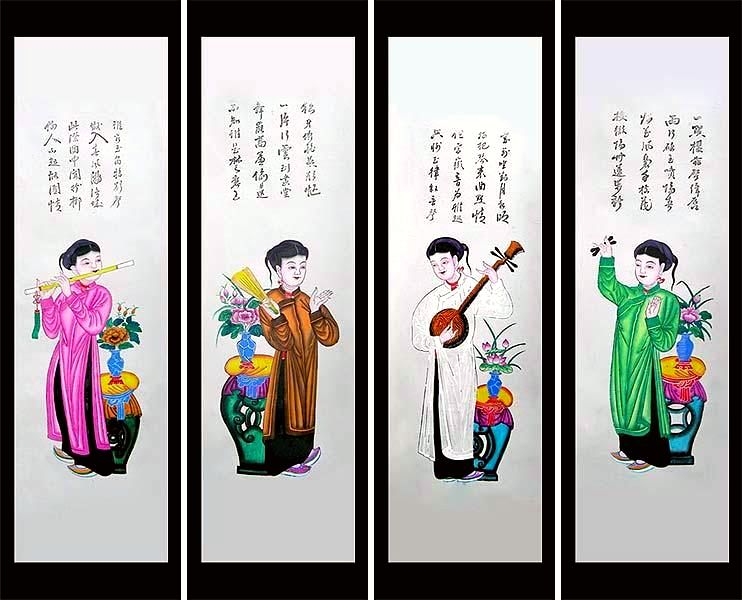
Traditional dress: Ao Dai is commonly worn during special occasions

Do's and don'ts

Visit the Imperial City early to avoid crowds
Try local dishes at street food stalls for authentic flavors
Respect local customs, especially in religious sites
Engage with locals; they are often friendly and welcoming
Don't rush through the sights; take your time to soak in the atmosphere
Don't ignore the local dress code when visiting temples
Don't haggle too aggressively in markets; be respectful
Don't forget to carry cash, as not all places accept cards

Practical

At a glance

Founded
1802
Population
300.000

Things to know

Be cautious of tourist traps near popular sites, particularly in markets like Dong Ba Market.
Public transport options are limited; renting a bicycle or motorbike is a practical choice.
From May to September, expect hot and humid weather; plan outdoor activities for early morning or late afternoon.
Some areas may not have English signage; picking up a few Vietnamese phrases can enhance your experience.
history_eduHistoryexpand_more

Hue was established as the capital of Vietnam during the Nguyen Dynasty in the early 19th century. The city flourished as a political and cultural center, with the construction of grand palaces, temples, and tombs that reflect the power of the Nguyen emperors.

After the fall of the dynasty in the early 20th century, Hue's significance diminished, but it remains a vital historical site. The city suffered during the Vietnam War, yet it has preserved much of its heritage, making it a fascinating destination for history enthusiasts.