search
search
add New trip
Canberra

Canberra

Population: 460.000 Since: Founded in 1913 Price: Mid-range Capital city
warning Wildfires (Australia): Forest fires in Australia: 7 active, around 151,577 ha affected · Check official travel advisories before you go.

Introduction

Canberra, the capital city of Australia, offers a unique blend of culture, politics, and nature. Visitors will find a city that is meticulously planned, with wide avenues, green spaces, and a vibrant arts scene, making it a refreshing alternative to the hustle of larger cities.

The city is home to numerous national institutions and museums, providing insights into Australia's history and heritage. However, its layout can be confusing for first-time visitors, and public transport options may be limited, so planning ahead is essential.

In pictures

Canberra
Canberra
Canberra
Canberra
Canberra
Canberra
Canberra

Sightseeing

Parliament House: the seat of Australia's government
Australian War Memorial: a tribute to those who served
National Gallery of Australia: home to an impressive art collection
Lake Burley Griffin: a scenic spot for walks and picnics
Australian National Botanic Gardens: showcasing native flora
Questacon: an interactive science museum for all ages
National Museum of Australia: exploring the nation's history
Mount Ainslie Lookout: panoramic views of the city

"A city of culture and nature"Canberra

Things to do

Explore the National Gallery: admire Australian and international art, including works by Sidney Nolan and Jackson Pollock.
Visit the Australian War Memorial: learn about the country's military history and see the Last Post Ceremony at 5 pm daily.
Take a stroll around Lake Burley Griffin: enjoy the views of the lake and the surrounding parklands.
Attend a festival: experience local culture at events like the Canberra Balloon Spectacular in March or Floriade in spring.
Discover the Australian National Botanic Gardens: immerse in native plant life and take a guided tour to learn more about the local flora.
Local food and drinks - Canberra

Local food and drinks

Pavlova: a classic Australian dessert with meringue
Meat Pie: a savory pastry filled with meat
Lamington: sponge cake coated in chocolate and coconut
Canberra Distillery: local spirits and craft cocktails
The Cupping Room: popular café known for specialty coffee
Local traditions - Canberra

Local traditions

Floriade: a spring festival celebrating flowers
Canberra Day: a celebration of the city's founding
National Multicultural Festival: showcasing diverse cultures
Christmas in the City: festive celebrations and events
History - Canberra

History

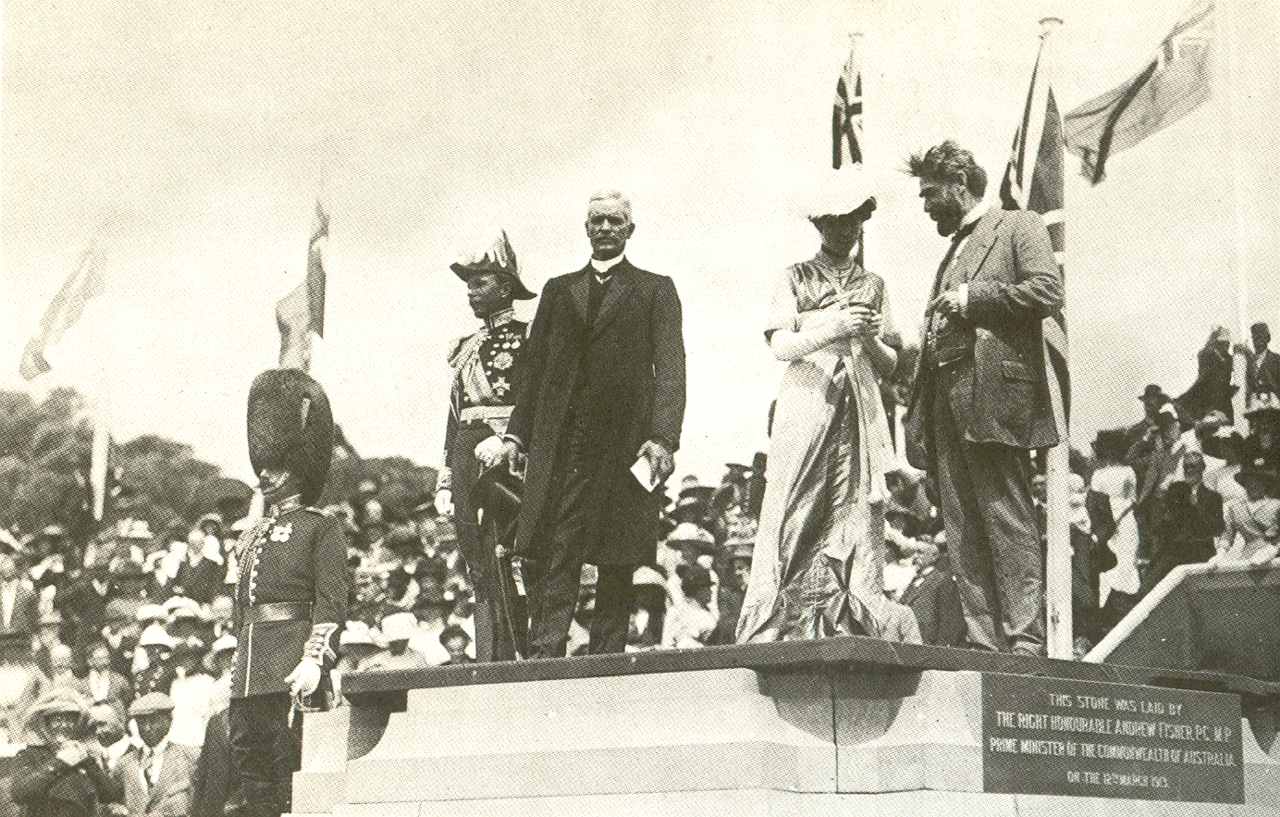
Canberra was selected as the capital of Australia in 1908 as a compromise between rival cities Sydney and Melbourne. The city was purpose-built, with construction beginning in 1913, and it was designed by American architect Walter Burley Griffin, who envisioned a city that harmonized with its natural surroundings.

Over the decades, Canberra has evolved into a political and cultural hub, hosting numerous national institutions. Despite its relatively young age, the city has developed a rich history, marked by significant events and the growth of its diverse communities.

A serene spot for reflection

A serene spot for reflection

The National Carillon stands tall on Aspen Island, surrounded by Lake Burley Griffin. This bell tower, gifted by the British government, offers a peaceful escape from the city’s political heart. Visitors can enjoy the sound of its 55 bells ringing on the hour. The surrounding parkland is perfect for a picnic or a leisurely stroll. Keep in mind that the tower is only open to the public on weekends, so plan your visit accordingly. The views of the lake and city skyline from here are quite pleasant, especially at sunset.

A tribute to Australia's history

A tribute to Australia's history

The Australian War Memorial is more than just a museum; it is a place of remembrance. The galleries showcase artifacts from various conflicts, including uniforms and personal letters. The Last Post Ceremony, held at 4.55 PM daily, is a moving tribute to those who served. Expect to spend a few hours here, as there is much to see. Admission is free, but consider making a donation to support its ongoing work. Be prepared for an emotional experience, as the stories told here resonate deeply with many visitors.

Explore Australia's political heart

Explore Australia's political heart

Parliament House is an architectural marvel, with its grass-covered roof blending into the landscape. Guided tours offer insights into the workings of Australian democracy. You can also visit the National Library of Australia nearby, which houses a vast collection of books, manuscripts, and photographs. Both sites are within walking distance of each other, making it easy to explore. Keep in mind that security is tight, so allow extra time for entry. The café at the library serves good coffee and light snacks, perfect for a break during your visit.

Things to know

Public transport can be limited, so consider renting a car.
Some attractions may require advance booking, especially during peak seasons like spring and summer.
Be prepared for variable weather, as it can change quickly; temperatures can range from cool in winter to hot in summer.
Avoid tourist traps like overpriced tours and souvenir shops.

Do's and don'ts

Visit the National Gallery to see world-class art
Explore the Australian War Memorial for a deeper understanding of history
Take a bike ride around Lake Burley Griffin for fresh air
Attend local markets for authentic food and crafts
Don't underestimate the distances between attractions
Don't miss out on local cafes and eateries
Don't forget to check opening hours before visiting
Don't rely solely on public transport for convenience

Good to know

Accessibility: Most areas are wheelchair accessible with ramps and paths.
Price level: mid-range

Photo: Wikipedia / Wikimedia Commons