kiomigo
search
search
add New trip
Byron Bay

Byron Bay

Population: 9.000 Since: Founded in 1770 Price: Mid-range
accessible Accessibility: Most areas are accessible, but some beaches have limited access.

Introduction

Byron Bay is a vibrant coastal town known for its stunning beaches and laid-back atmosphere. Visitors are drawn to its natural beauty, surf culture, and a strong sense of community that makes it feel welcoming and relaxed.

The town is also a hub for wellness and creativity, with numerous yoga studios, art galleries, and markets. However, it can get crowded during peak seasons, so be prepared for a bustling environment, especially around the beaches and main streets.

Sightseeing

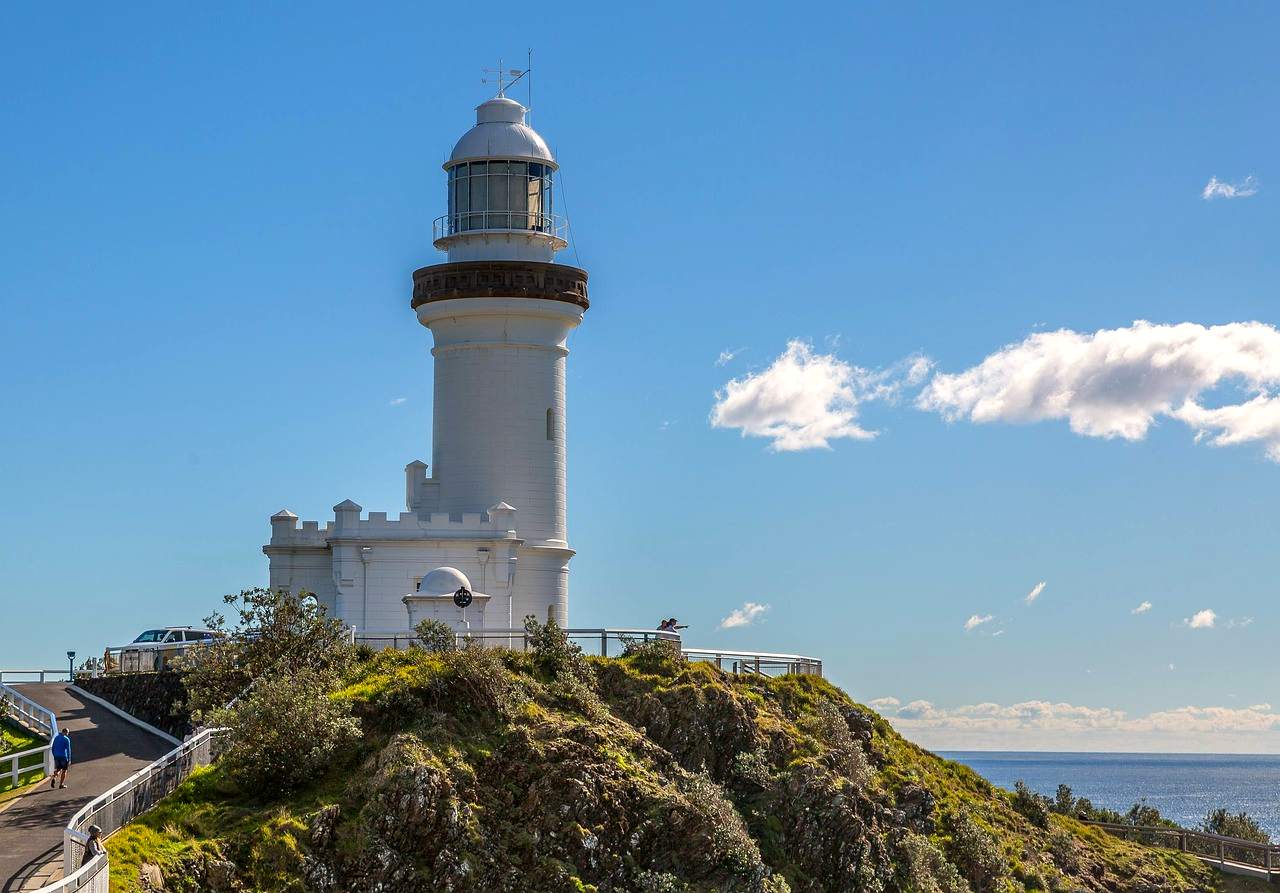
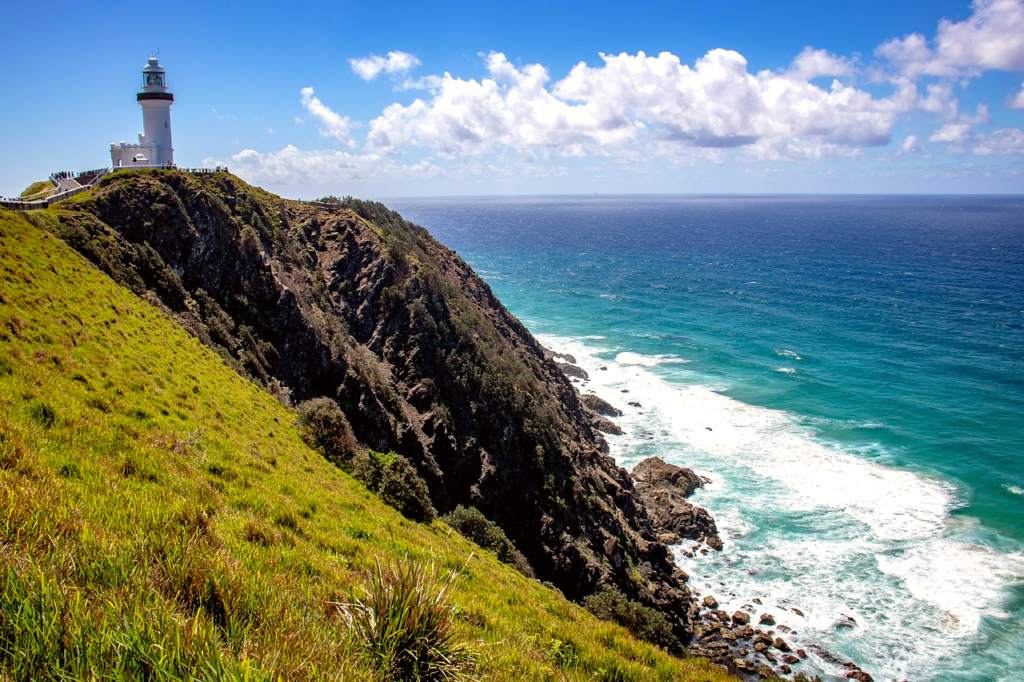
Cape Byron Lighthouse: iconic lighthouse with panoramic views
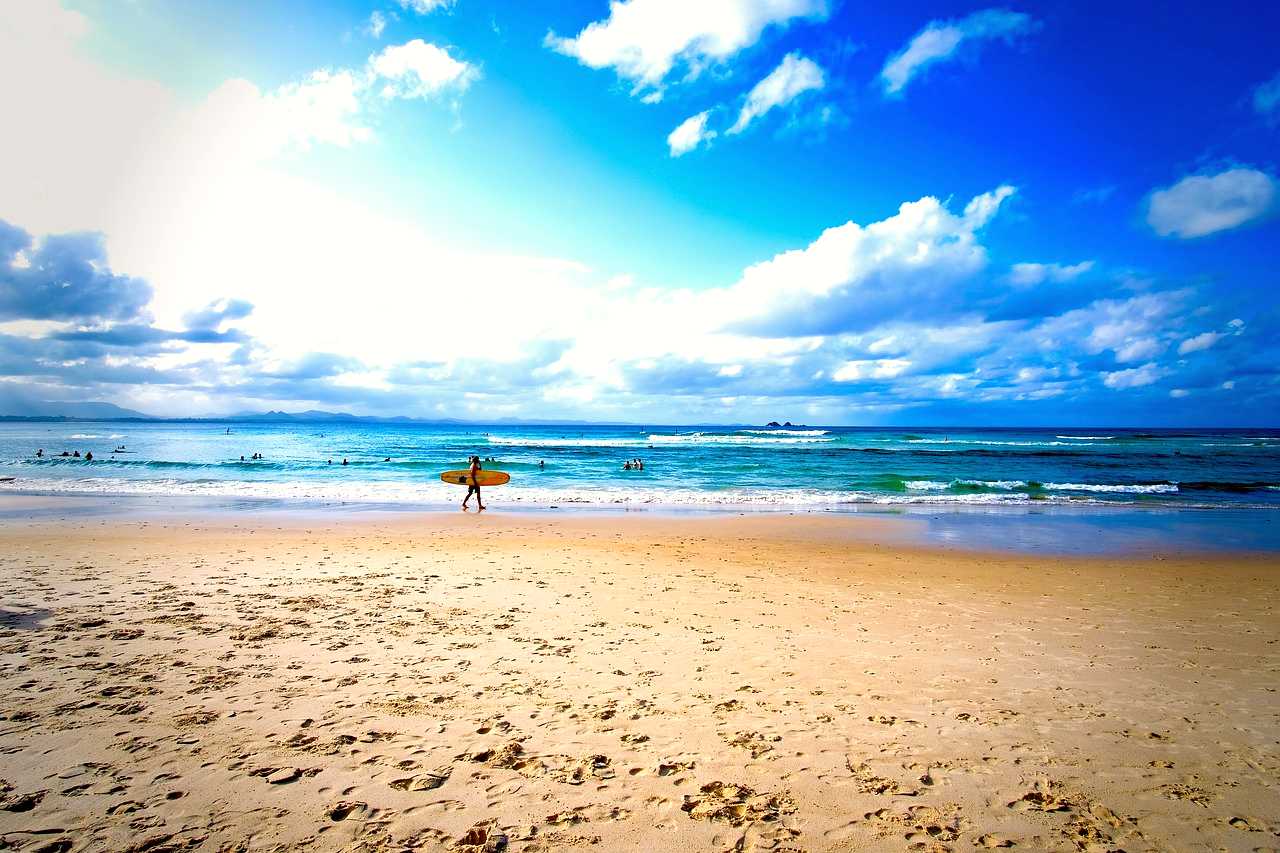
Byron Bay Main Beach: popular beach for sunbathing and surfing
The Pass: renowned surf spot with beautiful scenery
Byron Bay Markets: local crafts and food every Sunday
Wategos Beach: quieter beach ideal for relaxation
Julian Rocks: marine reserve for snorkeling and diving
Byron Bay Arts & Industry Estate: creative hub with shops and studios
Tallow Beach: serene beach perfect for long walks

"Relax, Explore, Enjoy Byron Bay"Byron Bay

Things to do

Surfing: take lessons or rent a board
Whale Watching: seasonal tours available
Yoga Retreats: join a class or retreat
Hiking: explore the Cape Byron walking track
Dolphin Tours: boat trips to see dolphins
Visit Local Markets: enjoy fresh produce and crafts

Local food and drinks

Fishheads: fresh seafood with ocean views
The Byron Bay Brewery: local craft beers
The Farm: farm-to-table dining experience
Bayleaf Cafe: popular brunch spot
Miss Margarita: vibrant Mexican restaurant

Local traditions

Byron Bay Bluesfest: annual music festival celebrating blues
Byron Bay Surf Festival: showcases surf culture and arts
Byron Writers Festival: promotes literature and storytelling
Local Markets: community gathering for food and crafts
History - Byron Bay

History

Byron Bay was originally inhabited by the Arakwal people, who have a rich cultural heritage tied to the land. European settlement began in the 19th century, primarily driven by the timber industry and later by whaling, which significantly impacted the local ecosystem.

The town evolved into a popular tourist destination in the 1960s, attracting surfers and artists. Today, it is known for its alternative lifestyle and environmental consciousness, making it a unique blend of history and modern culture.

Things to know

Expect high prices during peak tourist seasons
Parking can be challenging in busy areas
Public transport is limited; consider renting a bike
Some beaches may have strong currents; swim cautiously

Do's and don'ts

Explore the Cape Byron walking track
Try surfing at The Pass
Visit local art galleries
Attend a yoga class on the beach
Don't litter; keep the beaches clean
Don't ignore local wildlife signs
Don't swim outside designated areas
Don't rush; embrace the laid-back vibe

Good to know

Accessibility: Most areas are accessible, but some beaches have limited access.
Price level: mid-range

Photo: Wikipedia / Wikimedia Commons