

search
search
add New trip
Tiwi Islands
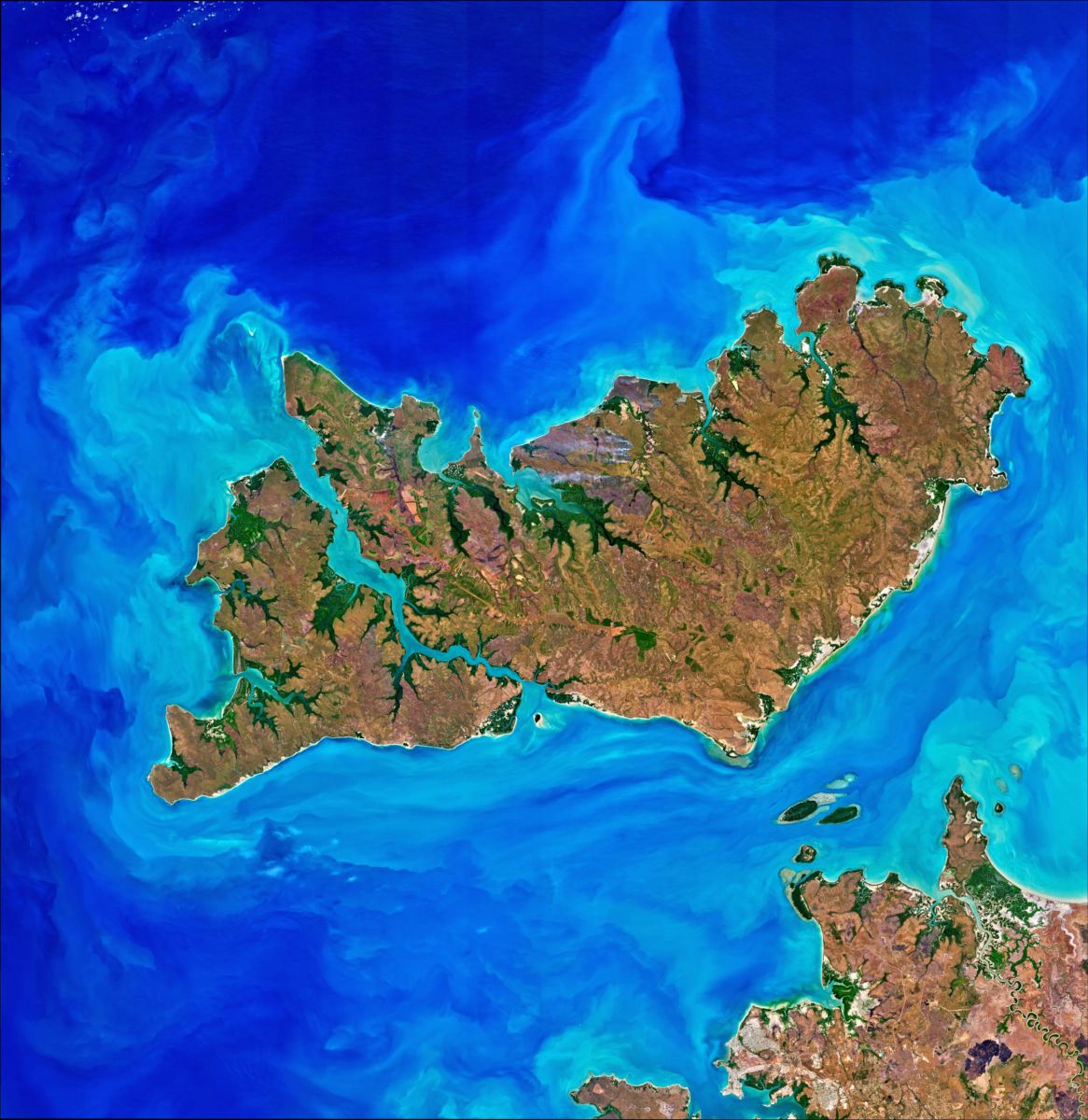
NASA Earth Observatory images by Joshua Stevens, using Land… · Public domain
calendar_monthApr–Sepbest time schedule3 daysplan for child_careYeswith kids confirmation_numberMid-rangeprice
Tiwi IslandsYour own route Plan a trip here →

The Tiwi Islands offer a unique blend of Indigenous culture and stunning natural beauty. Visitors are greeted by vibrant art, rich traditions, and breathtaking landscapes that include pristine beaches and lush bushland.

Read more

Exploring the islands provides a glimpse into the lives of the Tiwi people, known for their welcoming spirit and deep connection to the land. However, be prepared for limited amenities and a slower pace of life, which can be both refreshing and challenging for some travelers.

In pictures

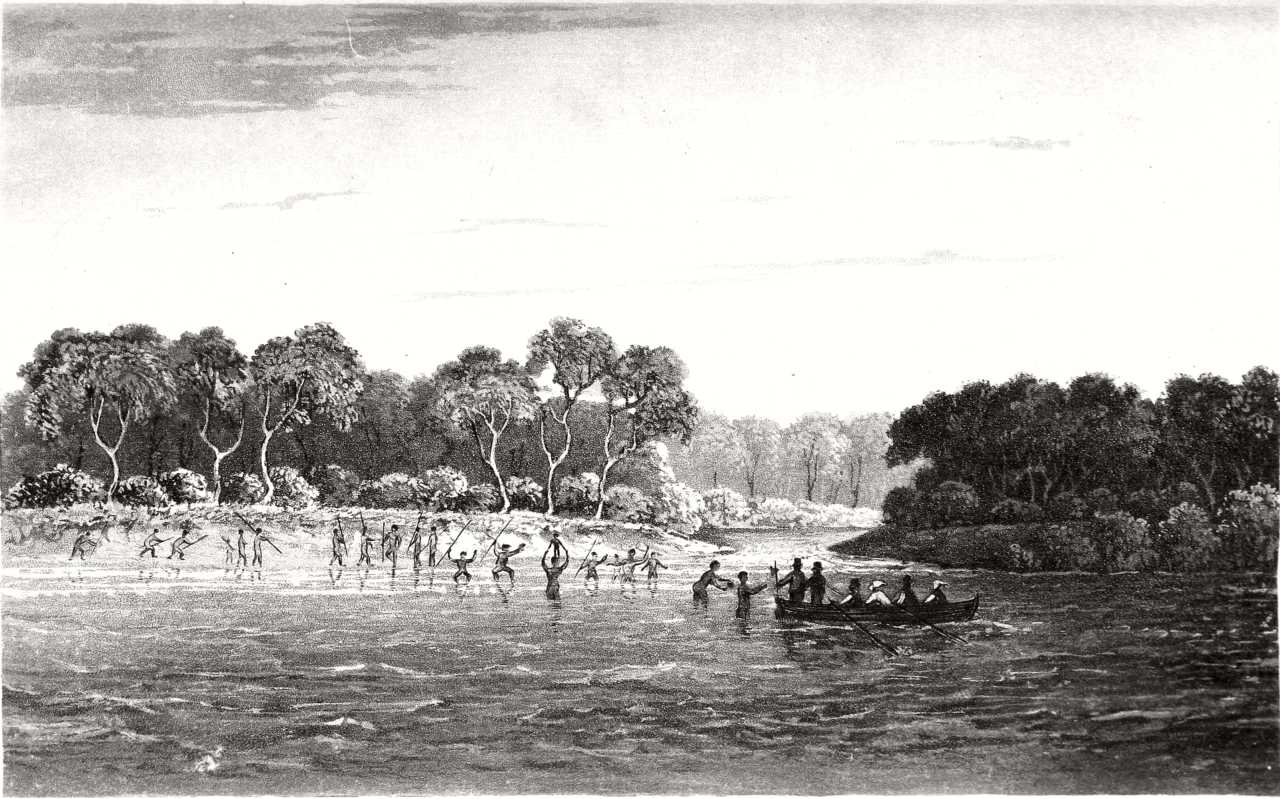
Sketch of P.P. King making contact with the Tiwi at St Asaph Bay, Melville Island, in 1818 Author Phillip Parker King · Public domain
Sketch of P.P. King making contact with the Tiwi at St Asaph Bay, Melville Island, in 1818
Sketch of Fort Dundas by John Septimus Roe in 1824 JS Roe · Public domain
Sketch of Fort Dundas by John Septimus Roe in 1824
The crashed Mitsubishi A6M Zero aircraft of Hajime Toyoshima on Melville Island Scanned by Australian War Memorial · Public domain
The crashed Mitsubishi A6M Zero aircraft of Hajime Toyoshima on Melville Island

Sightseeing

Bathurst Island: home to the largest community and cultural experiences
Melville Island: known for its stunning landscapes and wildlife
Tiwi Design: a local art gallery showcasing Indigenous artwork
Wurrumiyanga: the main township with cultural significance
Tiwi Islands Football Grand Final: a unique local sporting event

"Experience the Heart of Indigenous Culture"Tiwi Islands

Things to do

Join a guided cultural tour to learn about Tiwi traditions and history.
Visit local art centers to see and purchase authentic Indigenous art, including pottery and wooden carvings.
Explore the beaches for swimming and relaxing.
Attend the Tiwi Islands Football League Grand Final in late March, which attracts over 3,000 spectators, and enjoy the Tiwi Islands Art Sale at the same time.
The Patakijiyali Museum in Wurrumiyanga is also worth a visit, open Monday to Friday from 9 AM to 2 PM.

Local food and drinks

Tiwi Island fish: fresh and locally caught
Bush tucker: traditional foods sourced from the land
Tiwi coffee: locally brewed and popular among residents
Local markets: try various homemade dishes and snacks

Local traditions

Tiwi Islands Football League: a significant cultural event
Tiwi Art and Craft Festival: showcasing local artists and craftspeople
Traditional ceremonies: important for cultural preservation and community bonding

Do's and don'ts

Engage with local artists and learn about their work
Respect the environment and wildlife
Participate in cultural events when possible
Try to learn a few Tiwi words to connect with locals
Don't take photos without permission, especially during ceremonies
Don't litter or disturb natural habitats
Don't expect urban conveniences, embrace the simplicity
Don't rush your visit, take time to soak in the culture

Explore the pristine beaches of the Tiwi Islands

The Tiwi Islands are home to some of the most beautiful beaches in Australia. The soft white sand and clear blue waters invite you to relax and unwind. Try your hand at fishing or simply enjoy a picnic while listening to the gentle waves. Keep in mind that these beaches are often less crowded than those on the mainland, allowing for a peaceful experience. However, amenities are limited, so bring your own supplies. The best time to visit is during the dry season, from May to October, when the weather is more predictable.
Engage with the Tiwi culture and traditions Author Phillip Parker King · Public domain

Engage with the Tiwi culture and traditions

Visiting the Tiwi Islands offers a chance to connect with the local Indigenous culture. Engage with the Tiwi people through art workshops or cultural tours. Learn about their traditions, stories, and connection to the land. The Tiwi people are known for their warmth and hospitality, making these interactions memorable. However, be respectful of their customs and traditions, as this is a significant part of their identity. Take the time to listen and absorb their stories, which can provide a deeper understanding of the islands.

Discover the artistry of Tiwi carvings

The Tiwi Islands are famous for their intricate wood carvings, which reflect the rich cultural heritage of the Tiwi people. Visit local galleries or markets to see these works of art up close. Each piece tells a story and showcases the skills passed down through generations. Prices can vary, so be prepared to negotiate. Purchasing a carving not only supports local artists but also brings a piece of Tiwi culture home with you. Just remember to ask about the significance of the piece you choose, as each carving has its own unique meaning.

Practical

At a glance

Population
2.000
Accessibility
Limited accessibility, mostly unpaved paths
Island
yes
Price level
Mid-range

Things to know

Transport options are limited, so plan your travel carefully.
Accommodations can be basic, especially in Nguiu, which has around 1,500 residents, so booking ahead is wise.
Respect local customs and traditions, particularly in cultural sites.
The weather can be hot and humid, especially from November to March, with temperatures often exceeding 30°C.
history_eduHistoryexpand_more

The Tiwi Islands have been inhabited by Indigenous peoples for thousands of years, with a rich cultural heritage that is still very much alive today. European contact began in the 17th century, leading to significant changes in the islands' social and economic structures.

In the 20th century, the Australian government established missions on the islands, which influenced the local way of life. Today, the Tiwi Islands are known for their vibrant art scene and strong community ties, with ongoing efforts to preserve their unique culture.

Photo: NASA Earth Observatory images by Joshua Stevens, using Landsat data from the U.… · Public domain · Wikimedia Commons

Photo credits (4)