search
search
add New trip

Yulara

calendar_monthMay–Sepbest time schedule2 daysplan for child_careYeswith kids confirmation_numberExpensiveprice
YularaYour own route Plan a trip here →

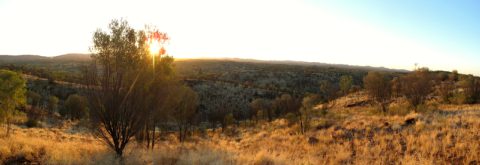
Yulara serves as the primary base for visitors heading to Uluru, also known as Ayers Rock. The town was established in the 1980s and is located just outside the national park boundaries, making it a convenient stop for those exploring the iconic rock formations.

Read more

Most travelers stay for one or two nights, often as part of organized tours. The atmosphere can be quite tranquil, especially during the afternoons when many are out viewing Uluru. While the resort offers various amenities, the options can feel limited due to its remote location.

Routes through here

Every route opens in the planner as your own copy: change any stop, any night.

Sightseeing

Uluru: The iconic sandstone monolith, a UNESCO World Heritage site
Kata Tjuta: A group of large, domed rock formations nearby
Imalung Lookout: Offers views of Uluru and Kata Tjuta
Field of Light: A large outdoor art installation by Bruce Munro
Mount Conner: A plateau often mistaken for Uluru, located 120 km east
Desert Gardens Hotel Visitor Centre: Provides information on local wildlife and tours
Gallery of Central Australia: Showcases Indigenous art from Central Australia

"Gateway to Uluru's wonders"Yulara

Things to do

Visit Uluru-Kata Tjuta National Park: Explore the park's trails and cultural sites.
Take a helicopter tour: Get a bird's-eye view of Uluru and Kata Tjuta.
Join an astronomy walk: Learn about the night sky in the desert.
Experience the Field of Light: Walk through a light installation that spans seven football fields.
Go camel riding: Enjoy a unique perspective of the landscape while riding through the desert.

Local food and drinks

Gecko's Cafe: Offers pizzas, pastas, and burgers for around $20
Outback Pioneer Barbecue: Serves various meat patties for a casual meal
Desert Gardens Restaurant: Fine dining with local ingredients
Kulata Academy Cafe: A casual spot for coffee and light bites
IGA Supermarket: For self-catering options and basic groceries

Local traditions

Cultural tours: Engage with Indigenous guides to learn about local traditions
Sunrise and sunset viewings: Popular times for visitors to experience Uluru
Field of Light event: A seasonal art installation that attracts many visitors

Do's and don'ts

Explore the trails around Uluru
Attend a cultural tour with Indigenous guides
Watch the sunrise or sunset over Uluru
Try local dishes at the resort restaurants
Don't climb Uluru; it's culturally sensitive for Indigenous people
Don't expect a wide variety of dining options; choices are limited
Don't forget to book tours in advance, especially during peak seasons
Don't underestimate the desert heat; stay hydrated and protected

Practical

At a glance

Population
1.000
Accessibility
Some areas are wheelchair accessible, but check specific locations.
Price level
Expensive

Things to know

Expect higher prices for accommodation and food due to the remote location.
Public transport options are limited; renting a car is advisable.
The area can be quiet during off-peak times, especially in the afternoons.
Be prepared for extreme weather; summers can reach over 40°C.
Winter nights can drop to near freezing, so pack accordingly.
history_eduHistoryexpand_more

Yulara was developed in the 1980s as a service town for tourists visiting Uluru. The area was chosen for its proximity to the national park, allowing easy access to the iconic rock formations. Over the years, it has evolved into a resort town with various accommodations and dining options.

In 2010, the Indigenous Land Council acquired the resort, aiming to increase Indigenous employment within the area. This shift reflects a growing recognition of the cultural significance of the land and the importance of involving local communities in tourism.