search
search
add New trip
Yasawa Islands

Yasawa Islands

calendar_monthMay–Octbest time schedule7 daysplan for child_careYeswith kids confirmation_numberMid-rangeprice
Yasawa IslandsYour own route Plan a trip here →

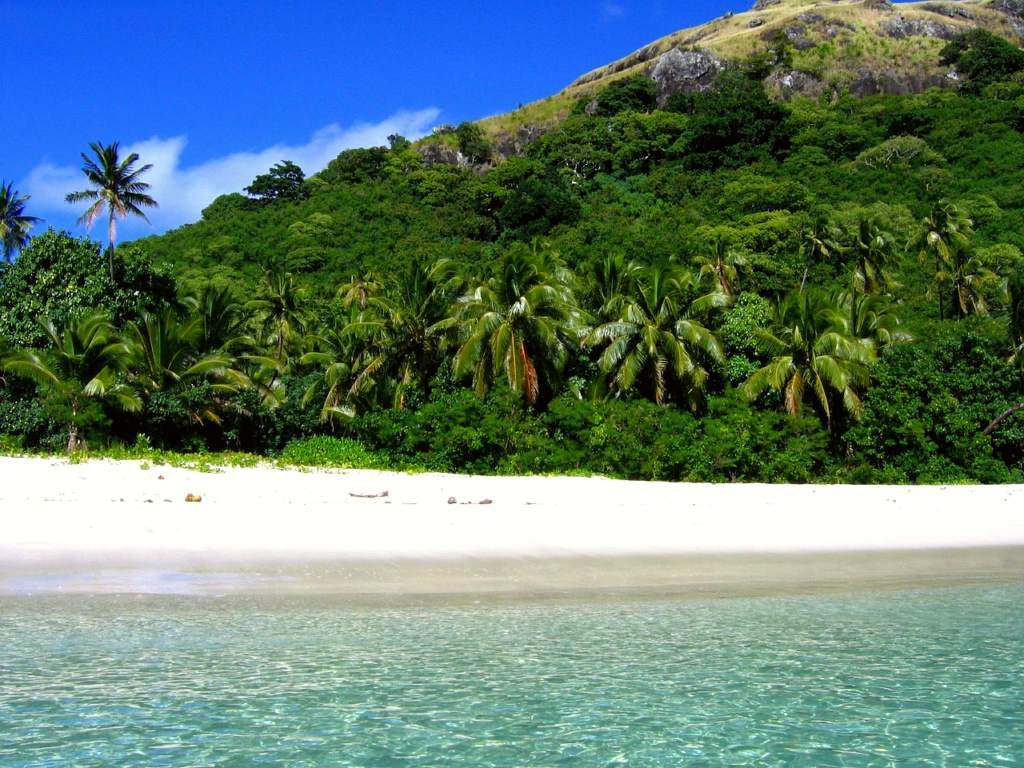
The Yasawa Islands are a stunning archipelago in Fiji, known for their breathtaking natural beauty and vibrant culture. Visitors are greeted by crystal-clear waters, white sandy beaches, and lush green hills, making it a paradise for those seeking relaxation and adventure alike.

In pictures

Bay of Yalobi, Waya Island
Sandbar connecting the islands of Waya and Wayasewa
Nanuya Lai Lai
Nanuya Lai Lai
The Yasawa Flyer connects Port Denarau with the Yasawa Islands.
Yasawa Islands

Sightseeing

Blue Lagoon: famous for its stunning turquoise waters
Sawa-I-Lau Caves: explore these mystical limestone caves
Yasawa Island Resort: a luxurious retreat with breathtaking views
Nacula Island: known for its beautiful beaches and snorkeling spots
Waya Island: offers hiking trails and cultural experiences
Naviti Island: home to traditional Fijian villages
Tavewa Island: a great spot for diving and relaxation
Matacawalevu Island: less touristy, perfect for solitude

"Paradise Awaits in Yasawa Islands"Yasawa Islands

Things to do

Snorkel in coral reefs: experience the underwater life right off the beach.
Hike to scenic viewpoints: climb hills like those on Wayalailai for sunrise views.
Visit local villages: engage with Fijian culture and learn about traditional crafts.
Take a boat tour: explore the surrounding islands and lagoons.
Relax on secluded beaches: enjoy the quiet of places like the shores of Waya.
Local food and drinks - Yasawa Islands

Local food and drinks

Lovo: traditional Fijian feast cooked in an underground oven
Kokoda: fresh fish marinated in coconut milk and lime
Palusami: taro leaves filled with coconut cream
Fijian beer: try local brews like Fiji Bitter
Fresh tropical fruits: enjoy the abundance of local produce
Local traditions - Yasawa Islands

Local traditions

Meke: traditional Fijian dance performed at celebrations
Kava ceremony: a social ritual involving the drinking of kava
Fijian weddings: colorful and vibrant celebrations with local customs
Festivals: various events throughout the year showcasing culture and heritage

Do's and don'ts

Embrace the local culture and traditions
Try the traditional Fijian food
Respect the environment and marine life
Engage with locals for a richer experience
Don't take photos of locals without permission
Don't litter, keep the islands clean
Don't rush your visit, take time to relax
Don't ignore safety warnings about swimming conditions
info_outlinePracticalexpand_more
Since: Founded around 600 BC
Population: 2.000

About Yasawa Islands

While the islands are often associated with luxury resorts, they also offer a glimpse into traditional Fijian life. The warm hospitality of the locals and the laid-back atmosphere create a welcoming environment, perfect for unwinding and exploring the rich marine biodiversity.

Things to know

Expect limited transport options between islands, plan ahead.
Some areas may lack reliable internet and phone service.
Be cautious of strong currents when swimming or snorkeling.
Respect local customs and dress codes, especially in villages.

Good to know

Accessibility: Limited accessibility, mostly natural terrain
Island: yes
Price level: mid-range
history_eduHistoryexpand_more

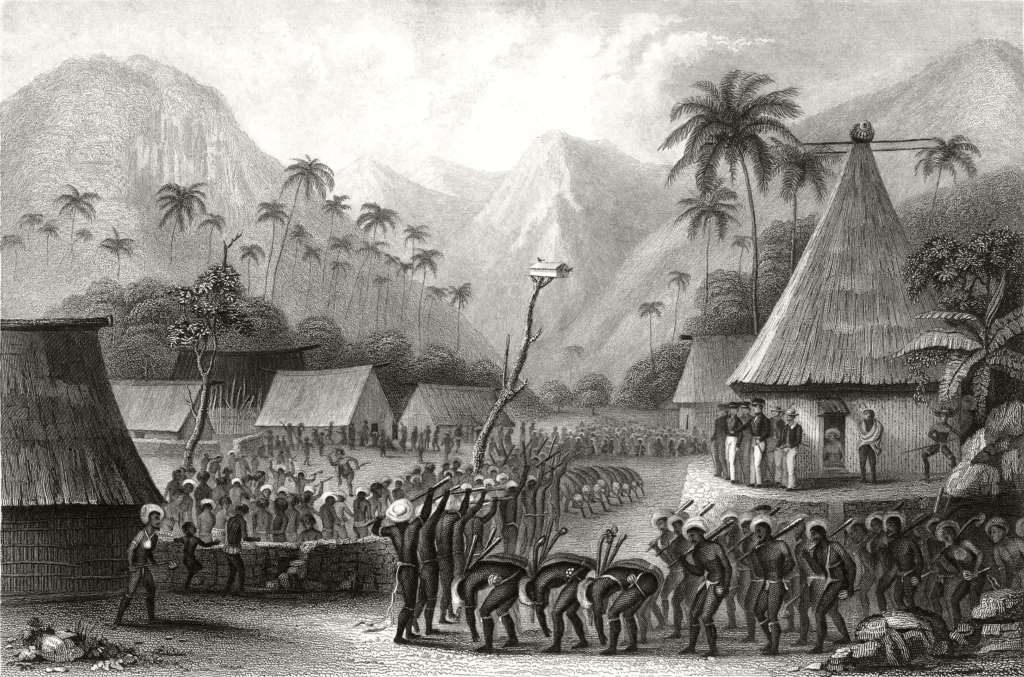
The Yasawa Islands have a rich history, with evidence of human settlement dating back over 3,000 years. Originally inhabited by Polynesian settlers, the islands were later influenced by European explorers and missionaries in the 19th century, which brought significant changes to local culture and society.

Today, the islands maintain a blend of traditional Fijian customs and modern influences. The local communities are dedicated to preserving their heritage while welcoming visitors to experience their unique way of life.

Photo: Wikipedia / Wikimedia Commons