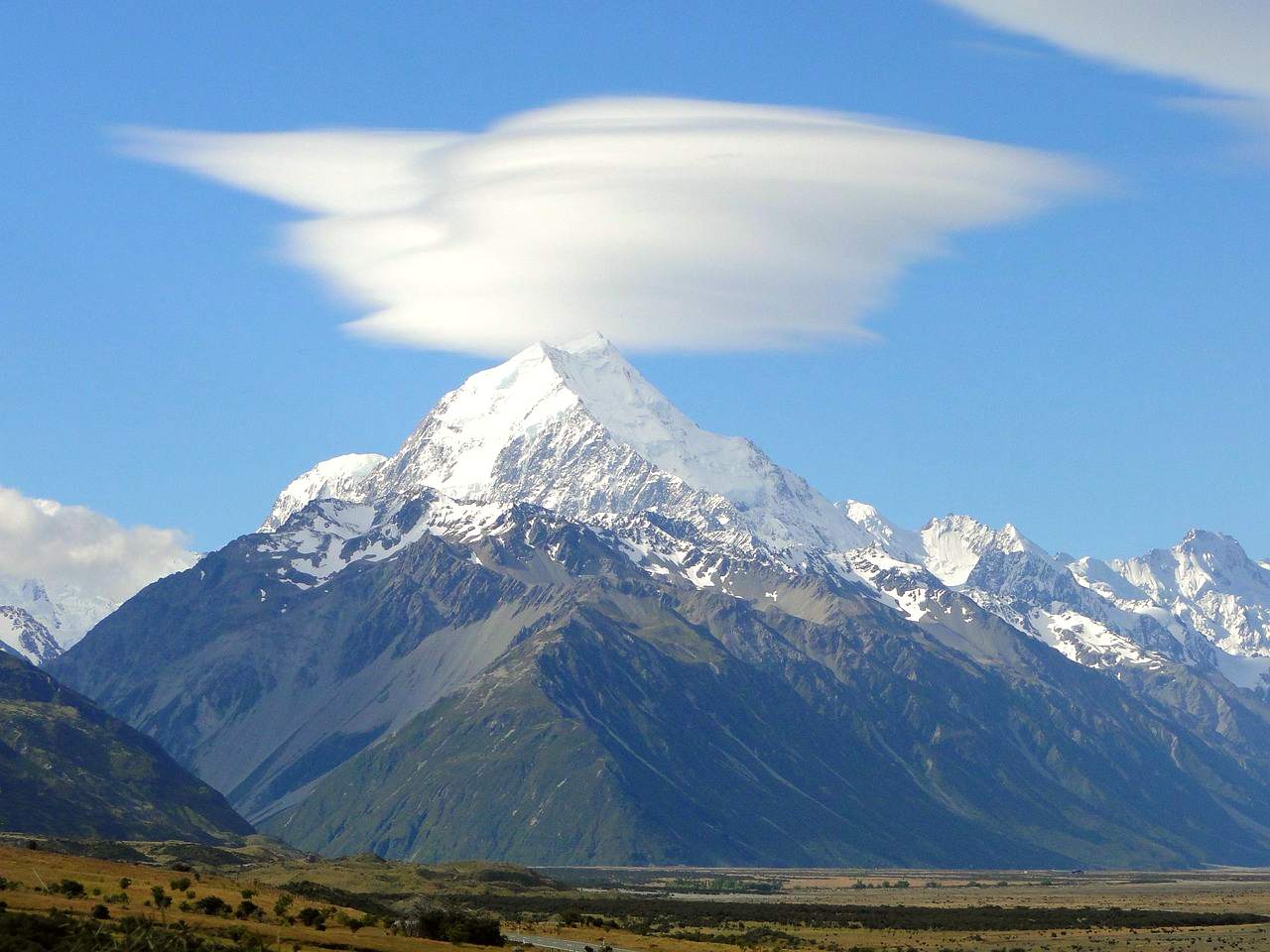
Mount Cook, known as Aoraki, is a breathtaking destination nestled in New Zealand's Southern Alps. Visitors are greeted by stunning views of the highest peak in the country, surrounded by glacial lakes and vibrant alpine flora.
Read more
The village itself is small but charming, offering a cozy atmosphere with a focus on outdoor adventures. The crisp mountain air and starry nights create a serene backdrop for those looking to escape the hustle and bustle of city life.
Highlights
Aoraki/Mount Cook National Park
Explore the breathtaking national park.
Hooker Valley Track
Family-friendly hike with stunning views
Mount Cook Village
Charming village with amenities and views
Sir Edmund Hillary Alpine Centre
Interactive exhibits about mountaineering
Tasman Glacier
Explore New Zealand's largest glacier
Routes through here
Every route opens in the planner as your own copy: change any stop, any night.
Sightseeing
Things to do
Local food and drinks
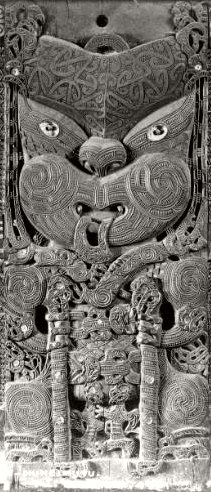 Burton Brothers, Dunedin · Public domain
Local traditions
Do's and don'ts
Practical
At a glance
- Founded
- the 19th century
- Population
- 100
- Accessibility
- Some areas are accessible, but many trails are rugged
- Price level
- Mid-range
Things to know
History
Mount Cook was first named Aoraki by the Māori, meaning 'cloud piercer'. The area has been a significant site for Māori culture, with legends surrounding the mountain's formation. European explorers arrived in the mid-19th century, leading to the establishment of the first climbing routes.
The village developed as a base for climbers and tourists, particularly after the first successful ascent of Aoraki in 1882. Today, it serves as a gateway to the stunning landscapes of Aoraki/Mount Cook National Park, attracting visitors from around the world.
Photo: Wiesel666 · Pixabay Content License · Pixabay
Photo credits (2)
- drbjond · Pixabay Content License · Pixabay
- Makalu · Pixabay Content License · Pixabay