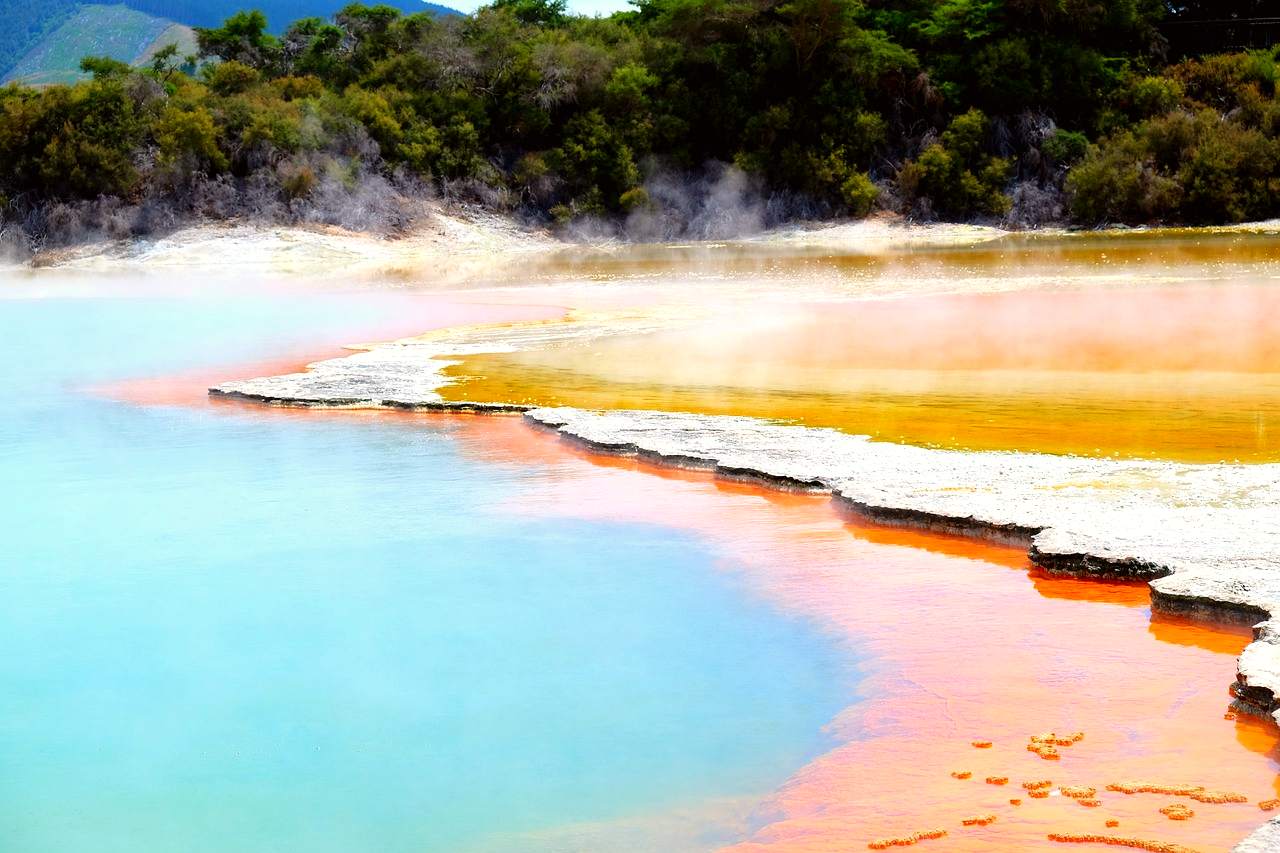
Rotorua is a vibrant city known for its geothermal activity and rich Maori culture. Visitors are often greeted by the unmistakable smell of sulfur, a reminder of the natural wonders that lie beneath the surface.
Read more
The city offers a unique blend of adventure and relaxation, with hot springs, mud pools, and cultural experiences. Its stunning lakes and lush landscapes provide a picturesque backdrop for exploration, making it a must-visit for nature lovers and cultural enthusiasts alike.
Highlights
Agrodome
Interactive farm experience with sheep shearing shows.
Lake Rotorua
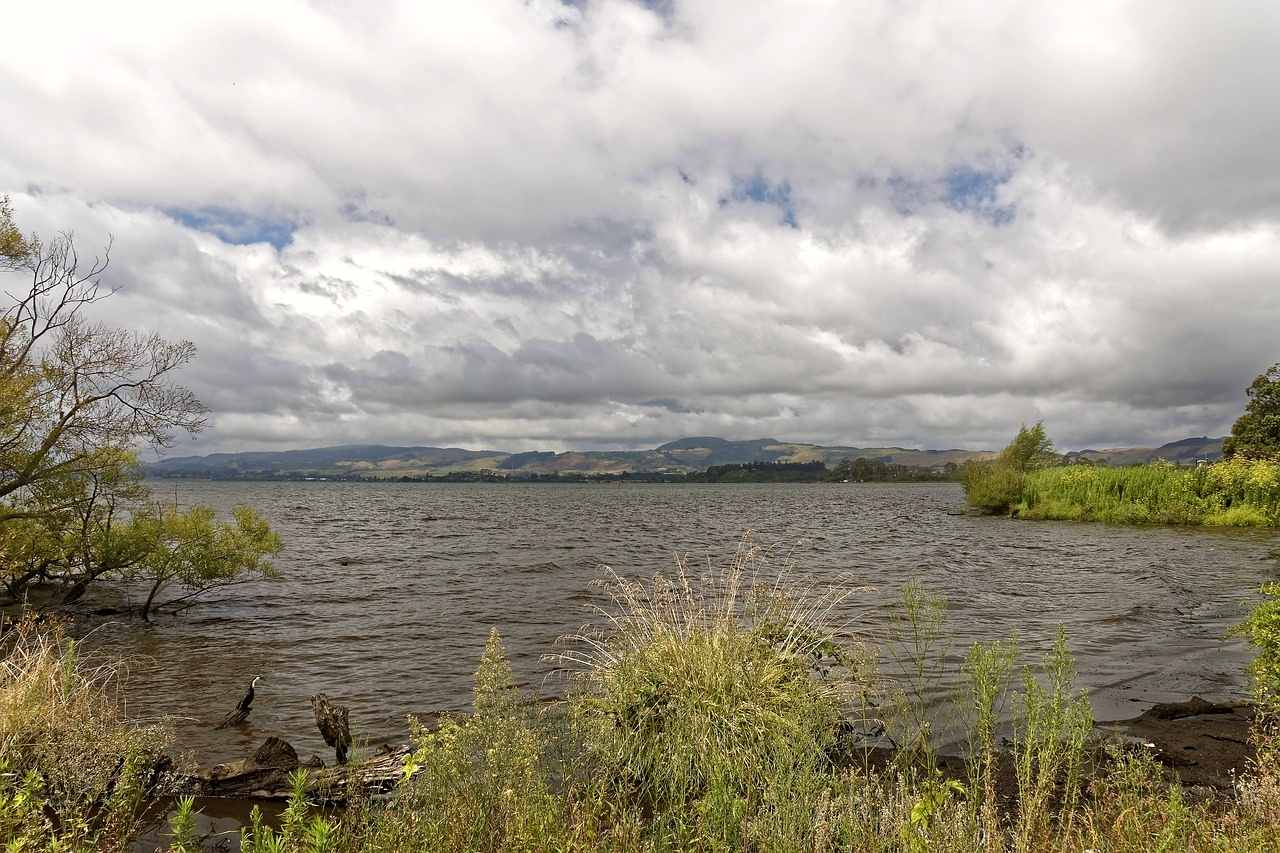
Relax by the lake or enjoy water activities
Rainbow Springs Nature Park
A fun place to see native wildlife and learn about conservation.
Redwoods Treewalk
Stunning walk among towering redwoods
Rotorua Duck Tours
Unique land and water tours on an amphibious vehicle.
Te Puia
Home to geysers and Maori cultural experiences.
Routes through here
Every route opens in the planner as your own copy: change any stop, any night.
Sightseeing
Things to do
Local food and drinks
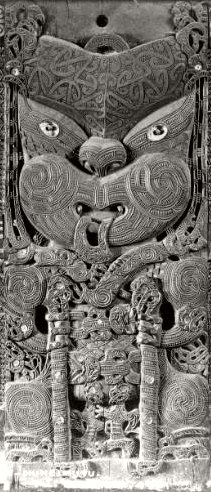 Burton Brothers, Dunedin · Public domain
Local traditions
Do's and don'ts
Practical
At a glance
- Founded
- 1350 AD
- Population
- 77.000
- Accessibility
- Many attractions are wheelchair accessible, but check specific sites.
- Price level
- Mid-range
Things to know
History
Rotorua's history is deeply intertwined with the Maori culture, as it has been inhabited by the Te Arawa iwi for centuries. The area became known for its geothermal activity, which attracted early settlers and visitors alike, leading to its development as a tourist destination in the 19th century.
In the late 1800s, Rotorua gained international attention for its hot springs and mud pools, becoming a health resort. The city has since evolved, balancing its rich cultural heritage with modern tourism, making it a unique destination in New Zealand.
Photo: patrox · Pixabay Content License · Pixabay
Photo credits (2)
- Makalu · Pixabay Content License · Pixabay
- Makalu · Pixabay Content License · Pixabay