Waikato
 Mar–May, Sep–Novbest time
5 daysplan for
Yeswith kids
Mar–May, Sep–Novbest time
5 daysplan for
Yeswith kids
Waikato, located in the North Island of New Zealand, is known for its lush landscapes and rich agricultural land. The region is home to the famous Hobbiton movie set, where visitors can explore the charming village from the 'Lord of the Rings' films. The Waikato River, the longest river in New Zealand, offers opportunities for kayaking and fishing, while the surrounding hills provide scenic hiking trails.
Read more
In addition to its natural beauty, Waikato features vibrant towns like Hamilton, which has a growing arts scene and various dining options. The region's dairy farming is significant, and travelers can experience local markets showcasing fresh produce and artisanal goods. Be prepared for changeable weather, especially in winter months when temperatures can drop significantly.
Sightseeing
Local food and drinks
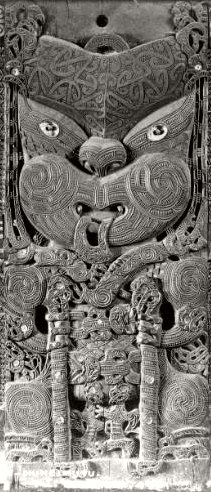 Burton Brothers, Dunedin · Public domain
Local traditions
Practical
At a glance
- Best time
- September to April
History
Waikato has a rich history that dates back to the Maori settlement in the 13th century. The region was significant for the Waikato iwi, who developed extensive agricultural practices and established fortified villages. European settlers arrived in the 19th century, leading to land conflicts and the New Zealand Wars, which shaped the region's development.
In the late 1800s, Waikato became a key agricultural area, particularly for dairy farming. The establishment of railways in the early 20th century further boosted its economy. Today, Waikato is recognized for its contributions to New Zealand's agriculture and tourism, with a blend of Maori and European heritage evident in its culture.