search
search
add New trip
Solomon Islands

Solomon Islands

SB calendar_monthMay–Sepbest time schedule10 daysplan for child_careYeswith kids flagHoniaracapital $Solomon Islands dollarcurrency translateEnglish, Pijinlanguage
Solomon IslandsYour own route Plan a trip here →

The Solomon Islands offer a unique blend of natural beauty and rich cultural heritage. With over 900 islands, travelers can explore lush rainforests, pristine beaches, and vibrant coral reefs. The laid-back atmosphere is perfect for those looking to escape the hustle and bustle of modern life.

In pictures

A man sells fish at the central market in Honiara, 2013
Solomon Islands
Solomon Islands
Solomon Islands
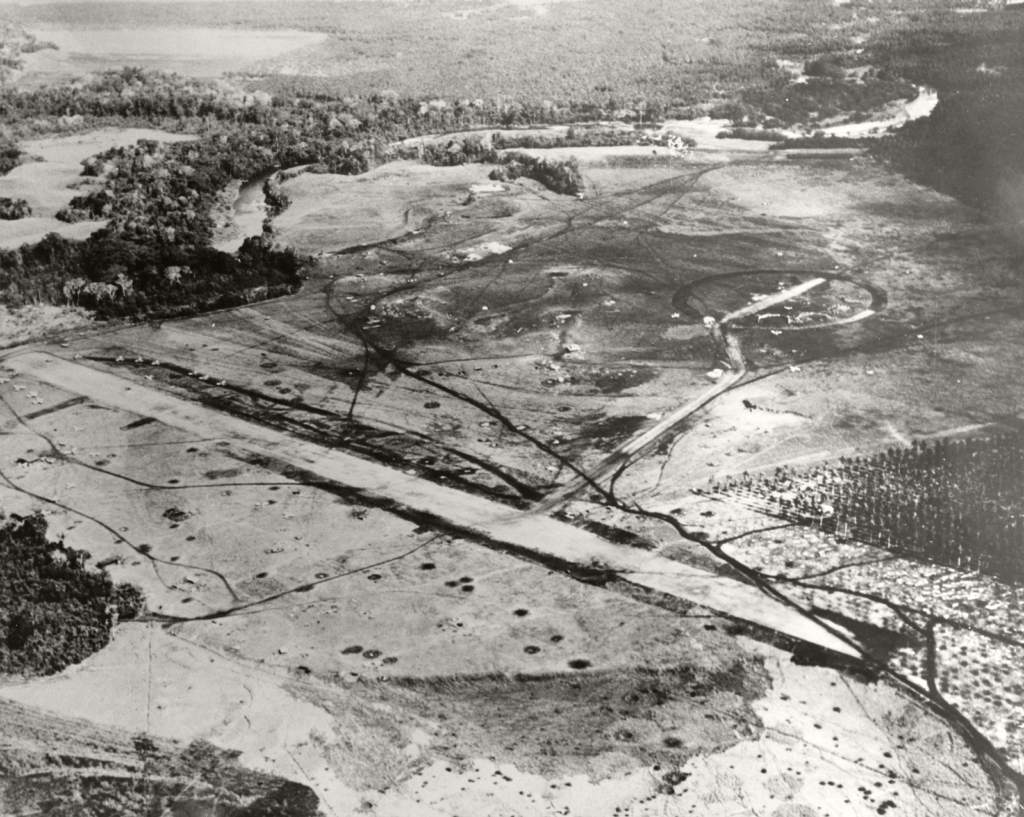
Henderson Field on Guadalcanal in late August 1942, soon after Allied aircraft began operating out of the airfield
National Parliament of Solomon Islands in Honiara
The main street of Honiara
Honiara from the east

Sightseeing

Honiara: the capital city with historical sites
Gizo: known for diving and snorkeling
Marovo Lagoon: a UNESCO World Heritage site
Munda: gateway to stunning marine life
Santa Isabel: rich in traditional culture
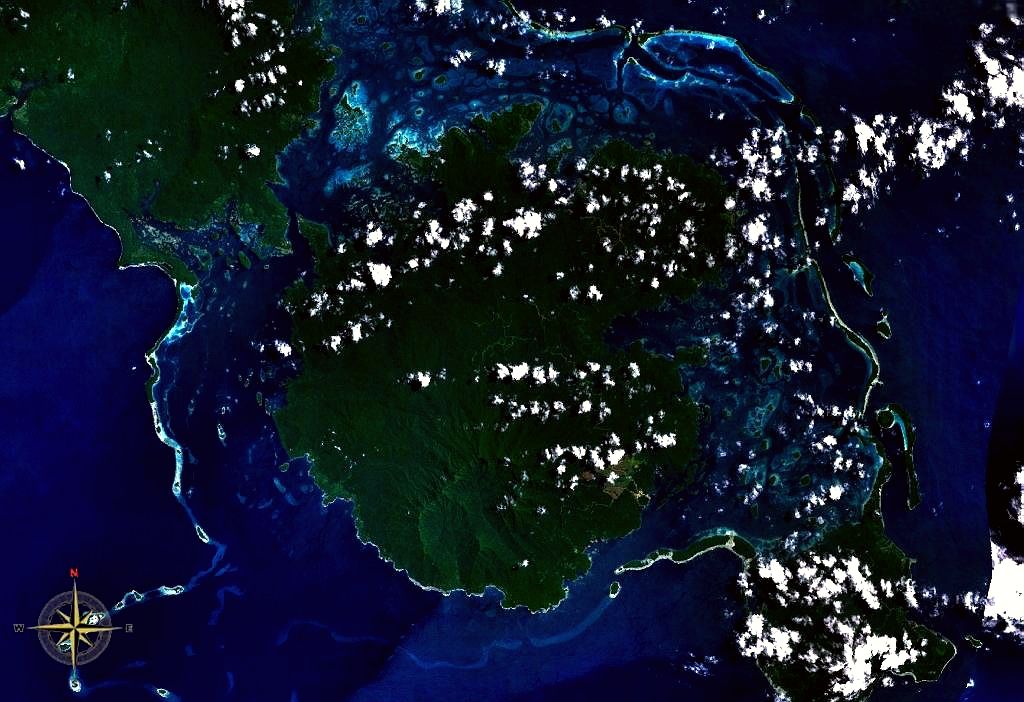
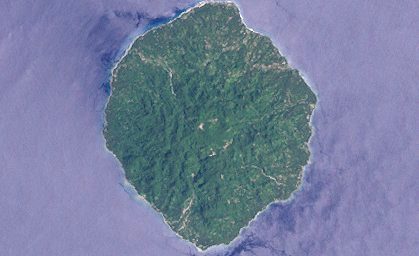
Rennell Island: home to the largest raised coral atoll
Ngella Islands: beautiful beaches and local villages
Tavanipupu Island: a private paradise for relaxation

"Discover paradise in the Pacific"Solomon Islands

Things to do

Snorkel: explore vibrant coral reefs
Dive: discover WWII wrecks and marine life
Hike: trek through lush rainforests
Visit local markets: experience daily life
Attend cultural performances: enjoy traditional music and dance
Island hopping: explore remote islands and beaches
Local food and drinks - Solomon Islands

Local food and drinks

Kokoda: a local ceviche made with fish, lime, and coconut milk, best enjoyed at beachside shacks
Palusami: taro leaves cooked in coconut cream, often served at family gatherings
Sago pudding: a sweet dessert made from sago starch, commonly found in local markets
Tuna: fresh and grilled, a staple dish on many islands
Kava: a traditional drink made from kava root, enjoyed during ceremonies
Local fruits: try fresh tropical fruits like papaya and mango at roadside stands
Local traditions - Solomon Islands

Local traditions

Solomon Islands Independence Day: celebrated on July 7th with parades and festivities
Cultural festivals: showcase traditional dances and crafts
Customary land ownership: deeply rooted in local culture
Traditional canoe building: an important skill passed through generations
Kava ceremonies: significant social events in local communities

Do's and don'ts

Engage with locals: they are friendly and welcoming
Learn a few words of Pijin: it goes a long way
Respect sacred sites: many have cultural significance
Try local foods: embrace the culinary experience
Participate in community events: immerse yourself in the culture
Don't take photos without permission: especially of people
Don't assume English is widely spoken: learn basic phrases
Don't litter: keep the islands clean
Don't rush: embrace the slower pace of life
Don't ignore local customs: they are important to the community
Fresh catches at Honiara's vibrant market

Fresh catches at Honiara's vibrant market

Honiara's central market is a bustling hub of activity, where local vendors display their fresh catches and vibrant produce. Here, you can immerse yourself in the daily life of the Solomon Islanders, engaging with friendly locals and sampling tropical fruits. However, be prepared for a sensory overload, as the market can get crowded and overwhelming at times. It's best to visit early in the morning for the freshest options and a more relaxed atmosphere. Just remember to bring cash, as many vendors do not accept cards.
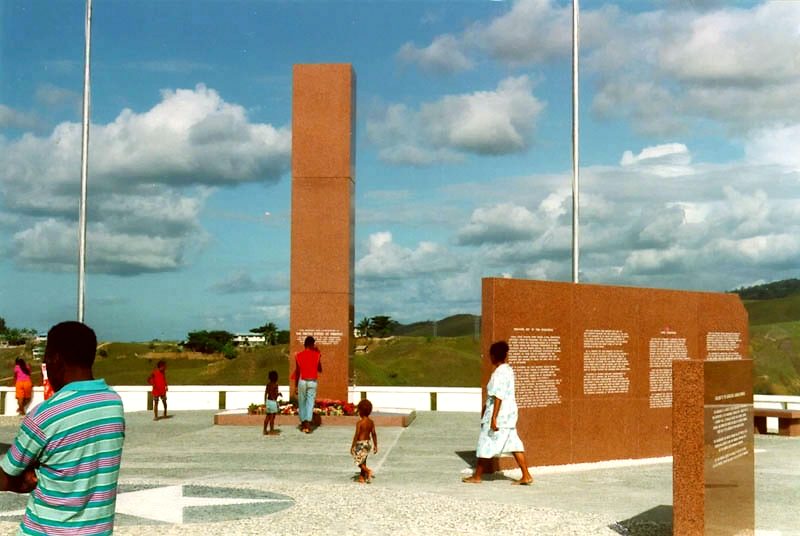
Reflecting on history at Guadalcanal

Reflecting on history at Guadalcanal

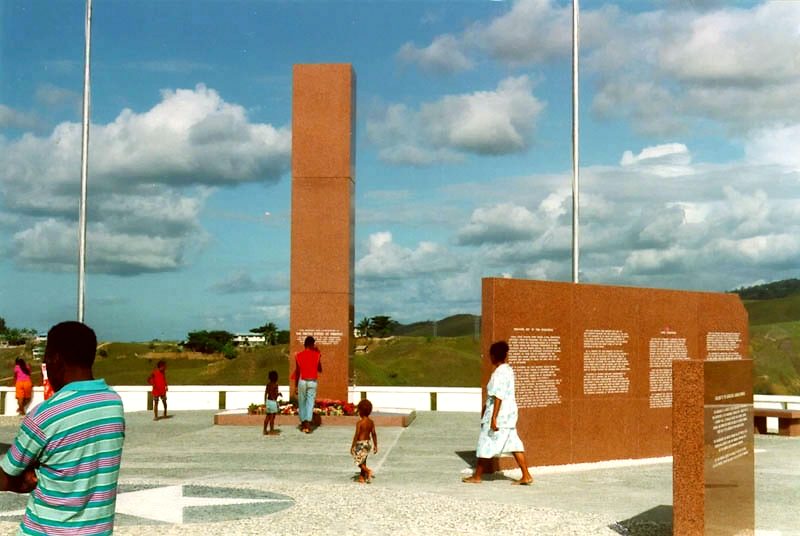
The Guadalcanal American Memorial stands as a poignant reminder of the sacrifices made during World War II. This site offers a serene place for reflection, surrounded by lush greenery and historical significance. While the memorial is well-maintained, access can be tricky, so consider hiring a local guide to enhance your visit. The stories of bravery and resilience are deeply woven into the fabric of the islands, making this a must-visit for history enthusiasts. Just be prepared for the heat and bring plenty of water.

Discovering the charm of Honiara

Discovering the charm of Honiara

Honiara, the capital of the Solomon Islands, offers a unique blend of urban life and natural beauty. Stroll along the waterfront and enjoy the laid-back vibe, with local cafes serving fresh seafood and tropical drinks. While the city has its charm, it can feel a bit rough around the edges, with limited infrastructure and occasional power outages. Embrace the slower pace and take the time to connect with locals, who are often eager to share their stories. Just keep in mind that public transport can be unpredictable, so plan your outings accordingly.
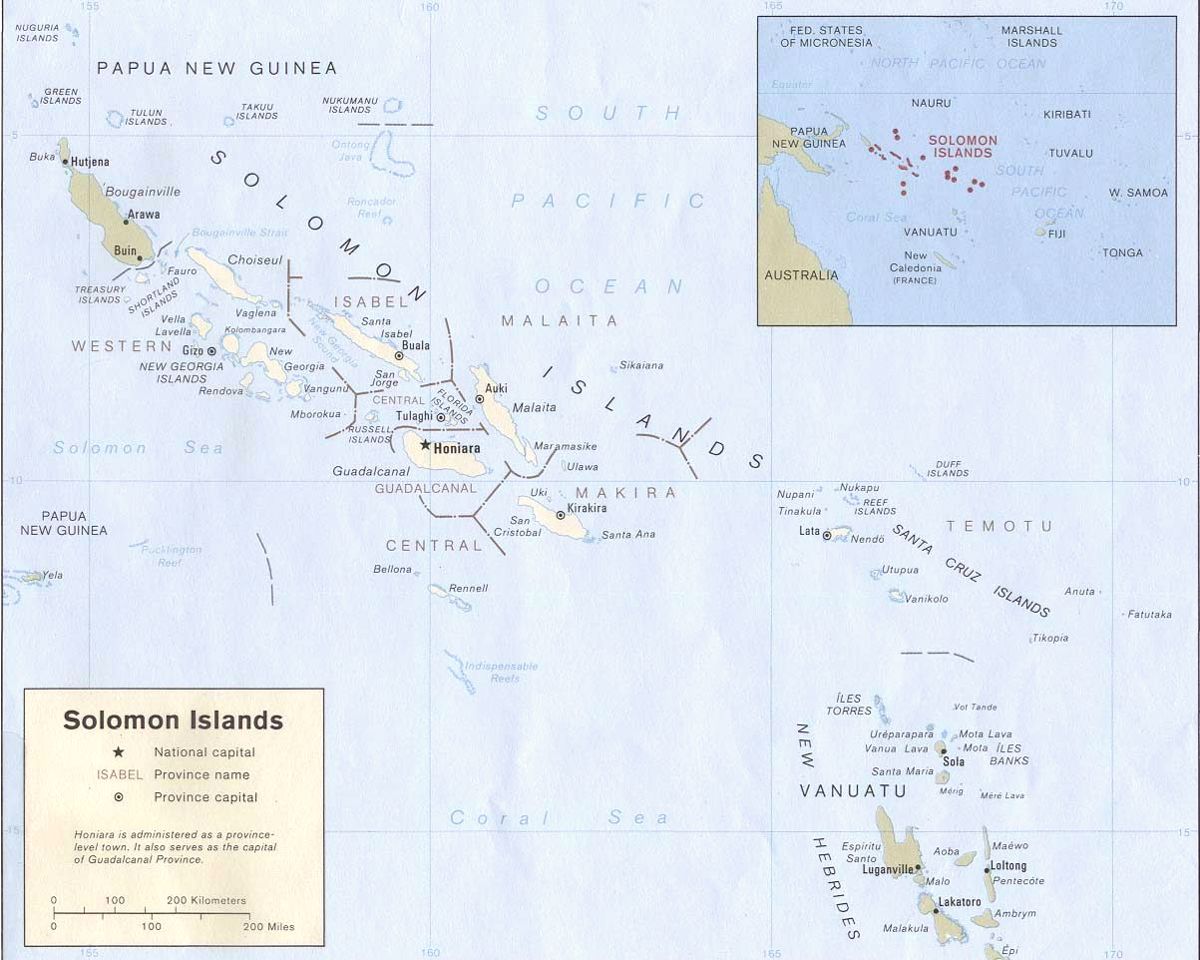
info_outlinePracticalexpand_more
Population: 700.000
Best time: May to October

About Solomon Islands

However, infrastructure can be limited, and some areas may be challenging to access. It's essential to plan ahead and be prepared for a slower pace of travel, as services may not always be reliable.

Basic information

Capital: Honiara
Language: English, Pijin
Currency: Solomon Islands dollar
Best time to visit: May to October

Travel information

Fly into Honiara International Airport for international access Use local ferries to travel between islands Road conditions can be poor, so plan accordingly Cash is preferred; ATMs may be limited Mobile connectivity varies; check local providers for coverage

Things to know

Be aware of limited healthcare facilities outside major towns
Respect local customs and dress modestly
Expect slower service in restaurants and shops
Beware of potential scams in tourist areas
Check for any travel advisories before visiting
history_eduHistoryexpand_more
History - Solomon Islands

The Solomon Islands were first settled by Melanesian peoples over 3,000 years ago. European contact began in the 16th century, with explorers like Alvaro de Mendaña claiming the islands for Spain. The islands were later colonized by the British in the late 19th century, leading to significant cultural changes and the introduction of Christianity.

During World War II, the Solomon Islands were a battleground between Allied and Japanese forces, leaving a lasting impact on the region. The islands gained independence from Britain in 1978, but have faced political instability and ethnic tensions in the years since, shaping their modern identity.

Photo: Wikipedia / Wikimedia Commons