
search
search
add New trip
Tonga
adliwahid · Pixabay
TO calendar_monthMay–Sepbest time schedule10 daysplan for child_careYeswith kids flagNuku'alofacapital paymentsTongan paʻangacurrency translateTongan, Englishlanguage
TongaYour own route Plan a trip here →

Tonga is a stunning archipelago in the South Pacific, known for its friendly locals and rich cultural heritage. With over 170 islands, many of which are uninhabited, it offers pristine beaches, lush landscapes, and a laid-back atmosphere that invites relaxation and exploration.

Read more

Travelers can enjoy a mix of adventure and tranquility, from snorkeling in vibrant coral reefs to experiencing traditional Tongan ceremonies. However, be prepared for limited infrastructure and amenities outside the main islands, which can affect travel plans and accessibility.

In pictures

Tonga monsterpong09 · Pixabay
Tonga adliwahid · Pixabay

Sightseeing

Tongatapu: the largest island with historical sites
Ha'apai: known for its beautiful beaches and diving spots
Vava'u: famous for whale watching and sailing
Nuku'alofa: the capital city with local markets
Maui's Cave: a unique natural formation worth visiting
Fafa Island: a small paradise for relaxation
Tonga's Blowholes: impressive natural water spouts
Anahulu Cave: a fascinating underground cave system

"Discover the Heart of Polynesia"Tonga

Things to do

Snorkel: explore vibrant coral reefs
Whale watching: experience humpback whales from July to October
Attend a traditional feast: enjoy local cuisine and culture
Surfing: ride the waves at popular surf spots
Hiking: trek through lush landscapes and scenic trails
Cultural tours: learn about Tongan history and customs

Local food and drinks

Ota ika: raw fish salad, best enjoyed fresh at local markets
Koko: Tongan hot chocolate, perfect for breakfast
Lu sipi: lamb wrapped in taro leaves, a traditional dish
Poke: a popular snack made from fresh fish
Tongan coconut bread: a sweet treat, often served at gatherings
Tonga's local beer: try it at beachside bars

Local traditions

Heiva: a vibrant cultural festival celebrating Tongan heritage
Kava ceremonies: a traditional drink shared during gatherings
Tongan dance: lively performances showcasing local culture
Tapa cloth making: a traditional craft still practiced today
Church services: an integral part of Tongan life, often attended on Sundays

Do's and don'ts

Engage with locals: they are friendly and welcoming
Try the local cuisine: it's a big part of the culture
Participate in cultural events: immerse yourself in traditions
Respect sacred sites: many have deep cultural significance
Learn a few Tongan phrases: it goes a long way
Don't take photos without permission: especially of people
Don't wear revealing clothing in public: modesty is important
Don't disrupt local ceremonies: observe respectfully
Don't assume English is widely spoken: learn basic phrases
Don't rush: embrace the laid-back lifestyle
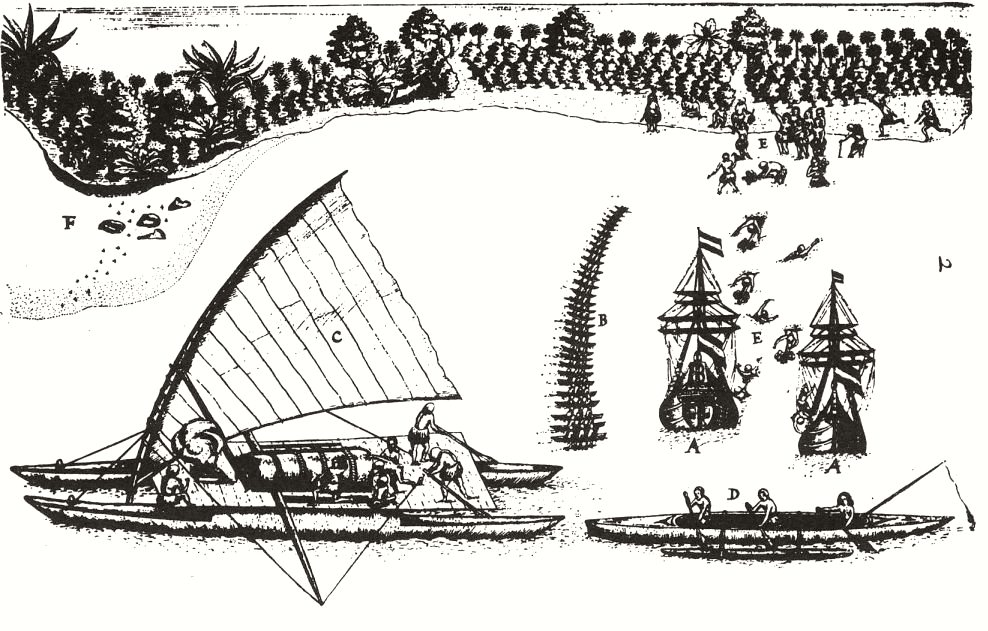
Explore Tonga's pristine beaches and clear waters Isaack Gilsemans · Public domain

Explore Tonga's pristine beaches and clear waters

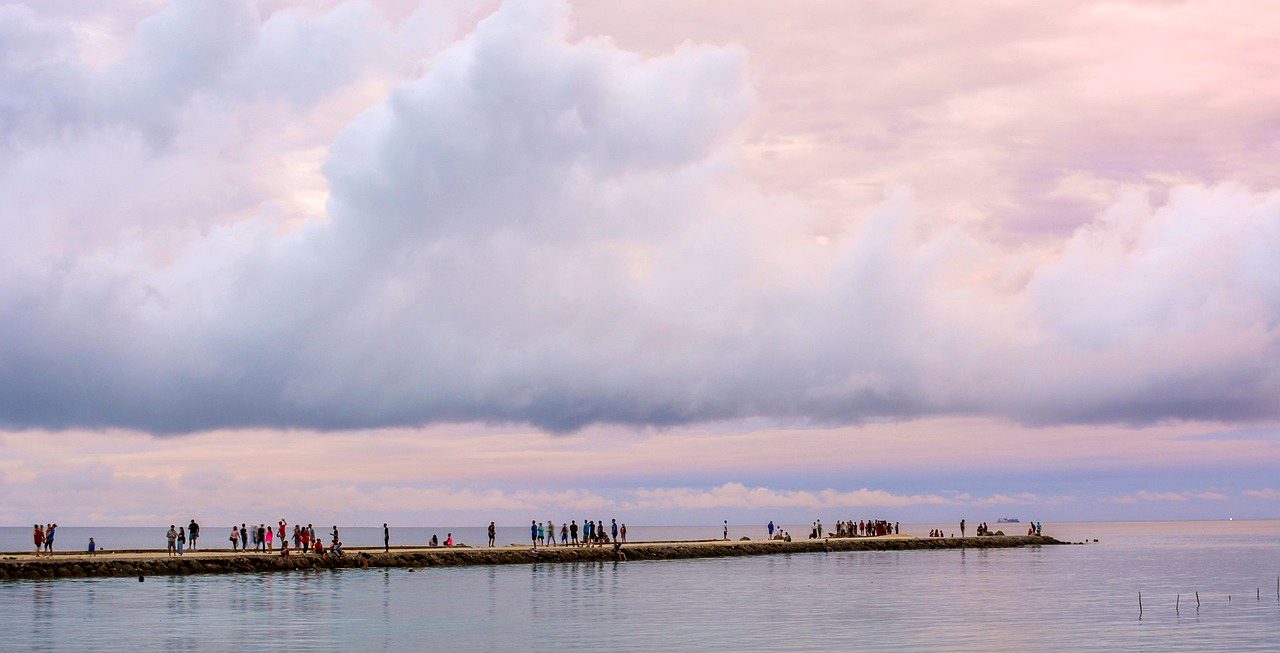
The beaches of Tonga are a true escape. Soft white sand meets clear turquoise waters, perfect for a day of relaxation or adventure. Head to Ha'atafu Beach on Tongatapu for excellent snorkeling. You might spot colorful fish and vibrant coral. Just remember, some beaches can be remote, so plan ahead for transportation and supplies. The best time to visit is during the dry season from May to October, when the weather is more predictable.
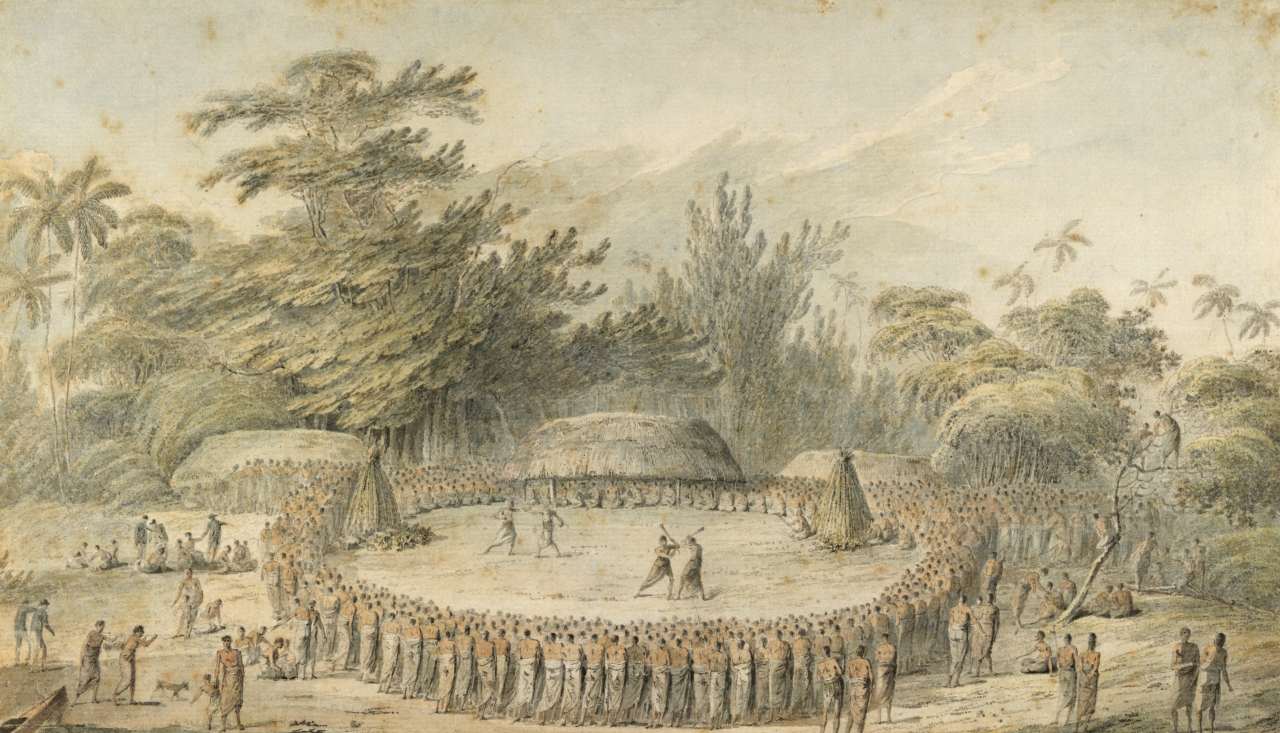
Experience traditional Tongan culture John Webber · Public domain

Experience traditional Tongan culture

Tonga's culture is rich and inviting, with traditional ceremonies that showcase its heritage. Attend a kava ceremony, where locals share this ceremonial drink made from the kava root. You can also witness a Tongan haka, a traditional dance that tells stories of the islands. Keep in mind that some events may require advance notice or permission to attend, so it's wise to connect with local guides or community centers.

Discover Tonga's historical significance

Tonga has a fascinating history, marked by its role in the Pacific. Visit the Royal Palace in Nuku'alofa to learn about the monarchy and its influence on the islands. The museum offers insights into Tongan life, from ancient times to the present. However, be prepared for limited opening hours and check in advance to avoid disappointment. Engaging with local historians can also provide a deeper understanding of the islands' past.
Practical

At a glance

Population
106.000
Best time
May to October

Basic information

Capital: Nuku'alofa
Language: Tongan, English
Currency: Tongan paʻanga
Best time to visit: May to October

Travel information

Flights to Tonga primarily arrive at Fua'amotu International Airport. Local transportation includes taxis, rental cars, and buses. Roads can be unpaved and challenging in rural areas. Cash is widely used, with limited credit card acceptance. Mobile connectivity is available but can be spotty in remote areas. As of 2023, be aware that some ferry services may have altered schedules due to ongoing recovery efforts from the volcanic eruption in January 2022.

Things to know

Be mindful of local customs and dress modestly.
Tonga has a slower pace of life, so patience is key.
Some attractions may have limited hours or be closed on Sundays.
Scams are rare, but always be cautious with money exchanges.
Respect for elders is paramount in Tongan culture.
Note that the best time to visit is during the dry season from May to October, when the weather is more pleasant.
history_eduHistoryexpand_more
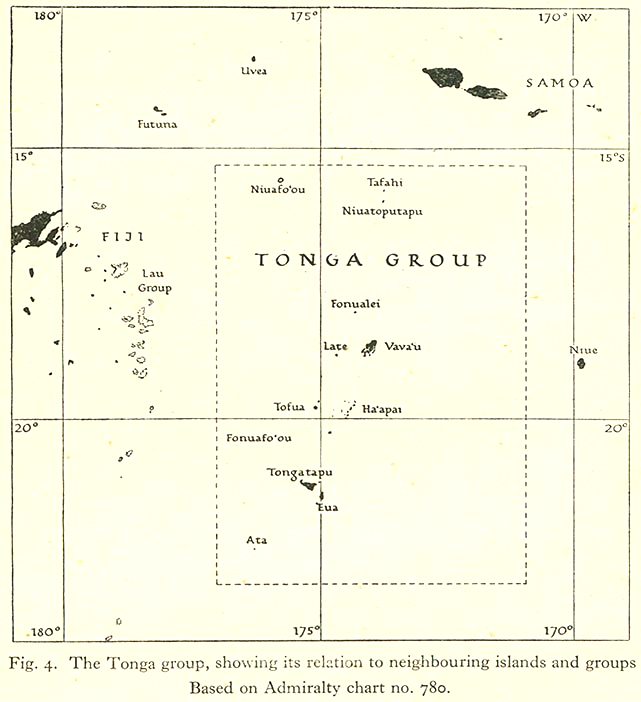
History - Tonga Admiralty. Naval Intelligence Division. · Public domain

Tonga has a rich history that dates back over 3,000 years, with Polynesian settlers establishing a thriving society. The islands were united under a monarchy in the 19th century, with King George Tupou I playing a pivotal role in the country's independence and cultural preservation.

In the late 19th century, Tonga became a protectorate of Britain, but it regained full sovereignty in 1970. Today, Tonga is known for its unique blend of tradition and modernity, with a strong emphasis on family and community values.

Photo: adliwahid · Pixabay Content License · Pixabay

Photo credits (6)