search
search
add New trip
Bad Ischl

Bad Ischl

Population: 14.000 Since: Founded around 1000 AD Price: Mid-range

Introduction

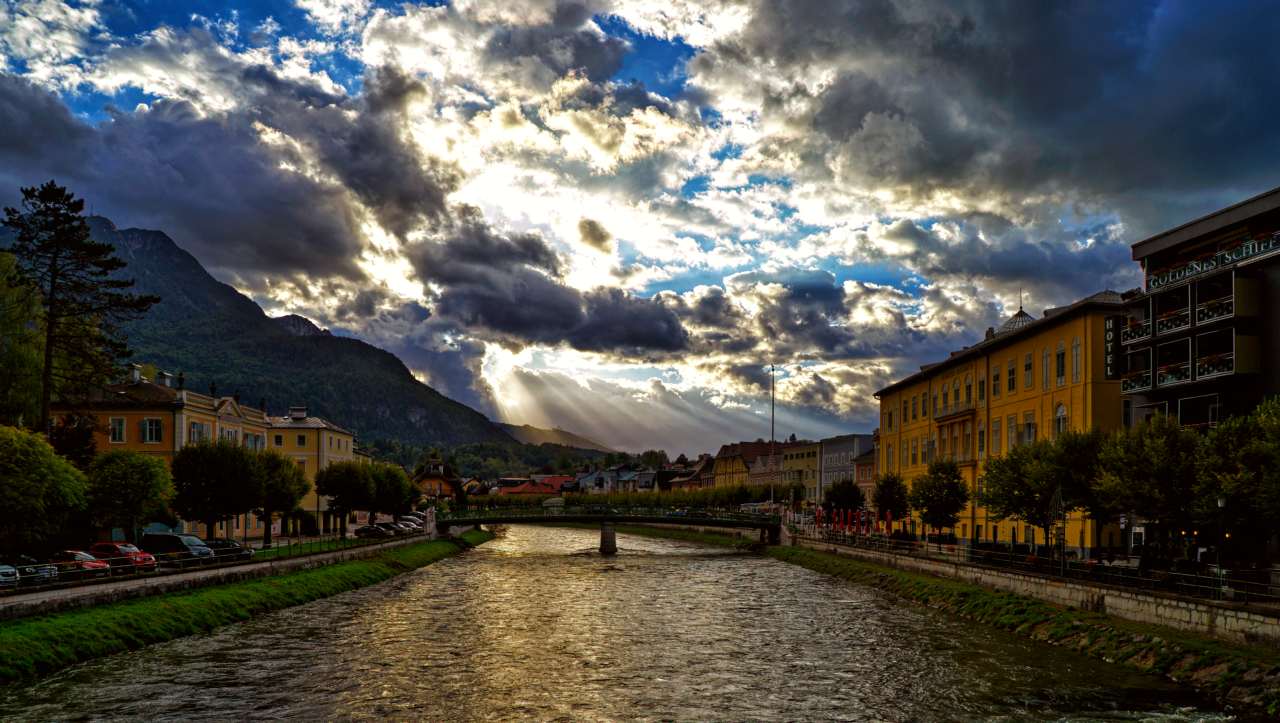
Bad Ischl is a charming spa town known for its thermal springs and imperial history. Visitors can stroll along the riverside promenade or explore the historic architecture that reflects its past as a popular retreat for the Austrian elite.

The town's relaxed atmosphere is complemented by beautiful mountain scenery. Cafes and shops line the streets, inviting you to take a break and enjoy the local culture.

Sightseeing

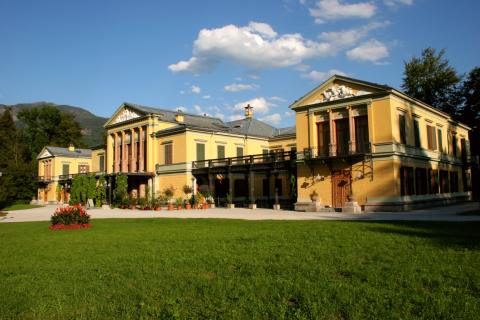
Kaiservilla: The former summer residence of Emperor Franz Joseph I.
Kurpark: A lovely park featuring gardens and walking paths.
Museum der Stadt Bad Ischl: Showcases the town's history and culture.
Siriuskogel: A viewpoint offering panoramic views of the region.
Pfarrkirche St. Nikolaus: A historic church with impressive architecture.

"A spa town with imperial charm"Bad Ischl

Things to do

Relax in Thermal Baths: Experience the healing waters at local spas.
Hike in the Salzkammergut: Explore scenic trails in the surrounding mountains.
Visit the Imperial Villa: Tour the opulent rooms and gardens.
Attend a Concert: Enjoy classical music performances in the town.
Local food and drinks - Bad Ischl

Local food and drinks

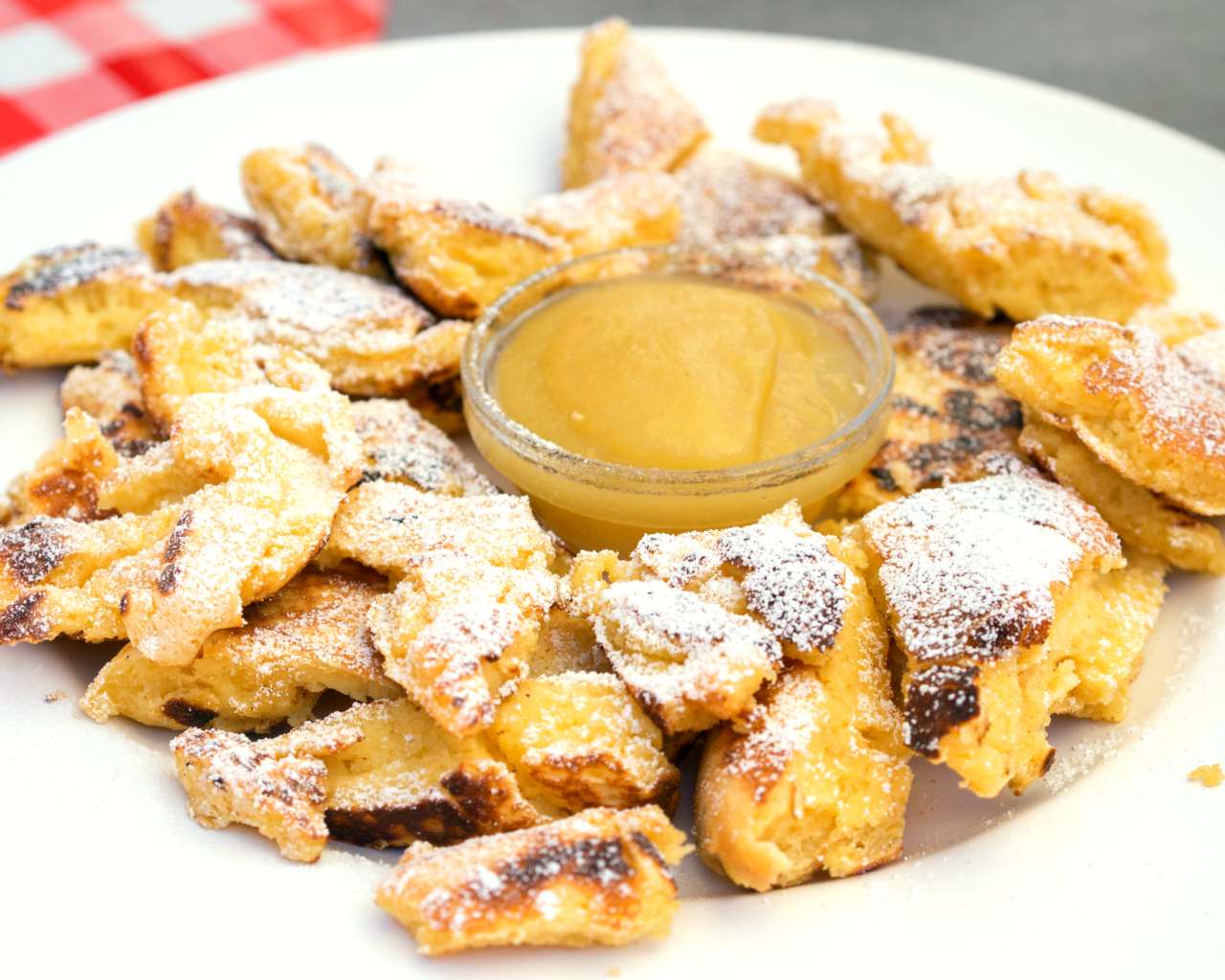
Kaiserschmarrn: A fluffy shredded pancake, a local favorite.
Apfelstrudel: Traditional apple strudel served warm.
Bad Ischler Bier: Local beer brewed in the region.
Schnitzel: Breaded and fried meat, a staple dish.
Café Zauner: Famous for its pastries and coffee.
Local traditions - Bad Ischl

Local traditions

Salzkammergut Festival: Celebrates local music and culture each summer.
Advent Market: A festive market held during the Christmas season.
Thermal Spa Days: Annual events promoting wellness and relaxation.
Local Wine Harvest: Celebration of the grape harvest in autumn.

History

Bad Ischl's history dates back to Roman times, when it was known for its mineral springs. In the 19th century, it became a fashionable spa destination for the Austrian aristocracy, including Emperor Franz Joseph I, who spent many summers here.

The town played a significant role in Austrian history, serving as a meeting place for important political discussions. Today, its imperial legacy is evident in the architecture and cultural events that celebrate its rich past.

Things to know

Watch for Tourist Traps: Some shops cater primarily to tourists, so compare prices.
Limited Public Transport: Buses run infrequently, especially on weekends.
Safety in the Mountains: Hiking trails can be challenging; prepare accordingly.
Peak Season Crowds: Summer months can be busy, affecting availability.

Do's and don'ts

Try local pastries: Sample the famous Apfelstrudel at a café.
Explore the parks: Take a leisurely walk in Kurpark.
Attend a concert: Check the schedule for performances.
Visit the thermal baths: Relax in the healing waters.
Don't rush your visit: Take time to enjoy the scenery.
Don't ignore local customs: Respect traditions and etiquette.
Don't skip the museums: They offer insight into the town's history.
Don't rely solely on English: Learn a few basic German phrases.

Good to know

Accessibility: Most areas are accessible, but some trails are steep.
Price level: mid-range

Photo: Wikipedia / Wikimedia Commons