kiomigo
search
search
add New trip
Brussels

Brussels

Population: 1.200.000 Since: Founded around 979 AD Price: Mid-range
accessible Accessibility: Most areas are accessible, but some historic sites may have limitations.

Introduction

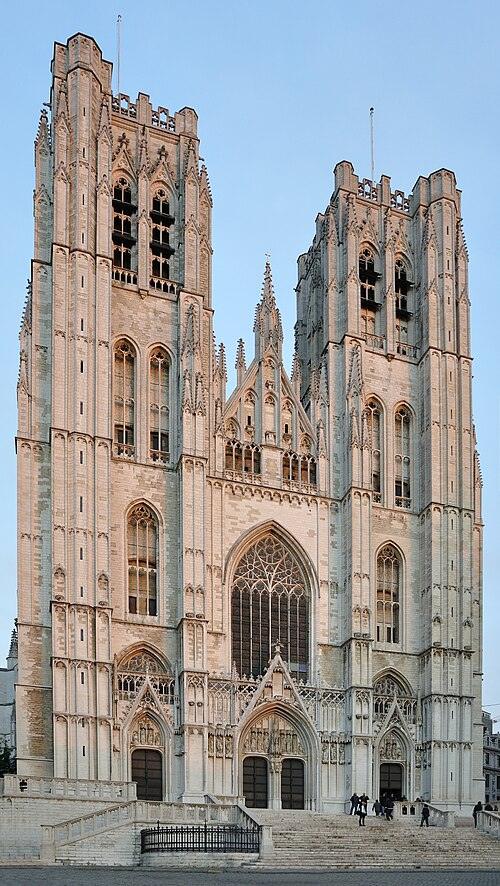
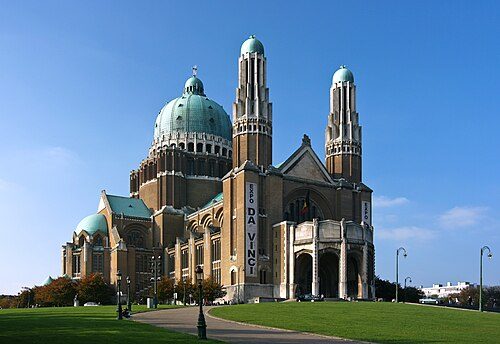
Brussels, the capital of Belgium, is a vibrant city known for its rich history and diverse culture. Visitors are greeted with stunning architecture, from medieval buildings to modern designs, creating a unique urban landscape.

The city is a melting pot of languages and traditions, making it a fascinating place to explore. Whether wandering through the historic Grand Place or enjoying a leisurely afternoon in one of its many parks, Brussels offers a blend of experiences that cater to all tastes.

In pictures
Brussels
Brussels
Brussels
Brussels
Brussels
Brussels

Sightseeing

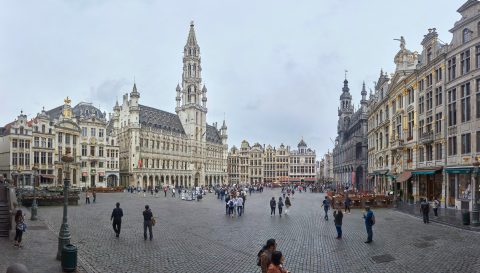
Grand Place: the central square, famous for its ornate guildhalls
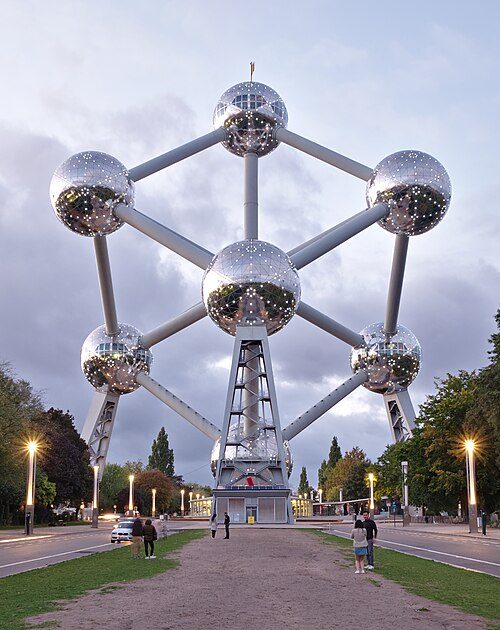
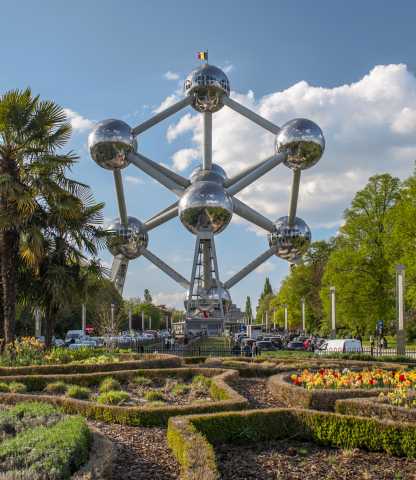
Atomium: a unique building and museum, shaped like an iron crystal
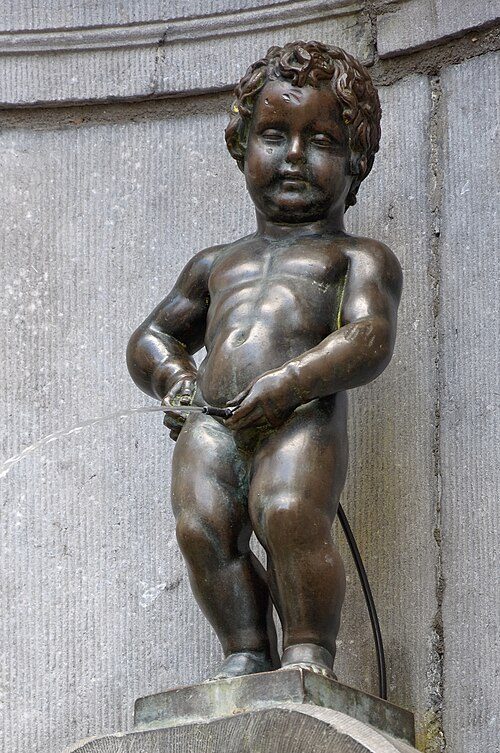
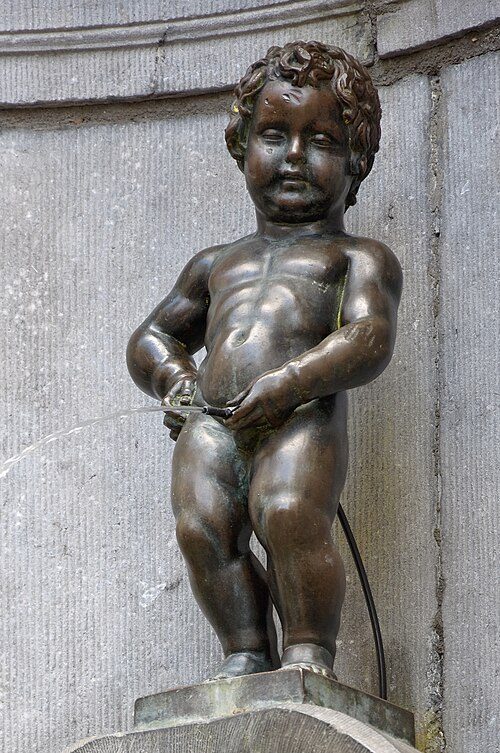
Manneken Pis: a quirky statue of a little boy urinating
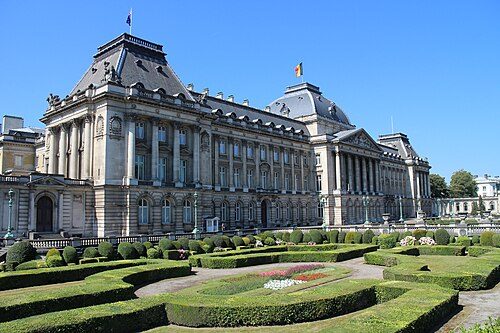
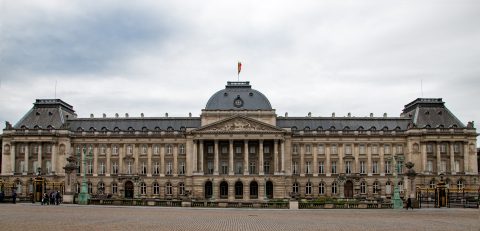
Royal Palace: the official palace of the King of Belgium
Magritte Museum: dedicated to the works of surrealist artist René Magritte
European Parliament: the heart of EU politics, offering guided tours
Sablon: a charming neighborhood known for its antiques and chocolate shops
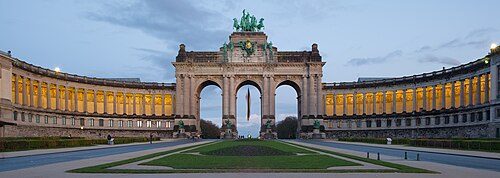
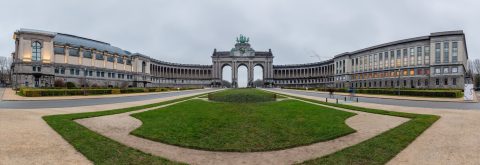
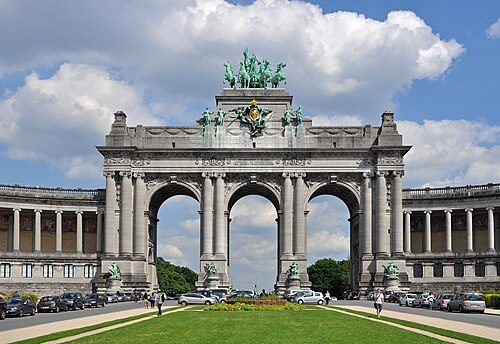
Cinquantenaire Park: a large public park with impressive arches and museums

"A city of culture and politics"Brussels

Things to do

Explore the comic strip murals scattered throughout the city: a fun way to discover local art
Visit the Royal Museums of Fine Arts: home to a vast collection of art
Take a chocolate tasting tour: indulge in Belgium's famous chocolates
Stroll through the Marolles district: known for its vintage shops and flea market
Attend a beer tasting session: experience Belgium's rich brewing culture
Local food and drinks - Brussels

Local food and drinks

Moules-frites: mussels served with fries, a local favorite
Waffles: try both Brussels and Liège styles for a sweet treat
Speculoos: spiced shortcrust biscuits, perfect with coffee
Belgian beer: sample a variety of local brews at cafes
Fritkot: enjoy fries from a traditional fry shop
Local traditions - Brussels

Local traditions

Carnival of Binche: a UNESCO-recognized festival with vibrant costumes
Brussels Flower Carpet: a stunning floral display every two years
Christmas markets: festive stalls and lights during the holiday season
National Day: celebrated on July 21 with parades and fireworks

History

Brussels has a rich history dating back to the 10th century when it began as a small fortification. Over the centuries, it grew into a significant trade center, becoming the capital of the Duchy of Brabant and later the Kingdom of Belgium.

The city played a crucial role in European politics and culture, especially after the establishment of the European Union headquarters in the late 20th century. Today, Brussels is not only the political heart of Europe but also a hub for art, cuisine, and multiculturalism.

Things to know

Beware of tourist traps around major attractions, especially in the Grand Place area
Public transport is efficient but can be confusing for newcomers
Pickpocketing can occur in crowded areas, so stay vigilant
Some attractions may have limited opening hours, especially on holidays

Do's and don'ts

Try local chocolates from various shops
Visit the local markets for fresh produce
Learn a few basic phrases in French or Dutch
Respect local customs and traditions
Don't assume everyone speaks English; be prepared to use French or Dutch
Don't miss out on trying street food, it's part of the experience
Don't rush through the city; take your time to explore
Don't forget to validate your train ticket before boarding

Good to know

Accessibility: Most areas are accessible, but some historic sites may have limitations.
Price level: mid-range

Photo: Wikipedia / Wikimedia Commons