search
search
add New trip
Belgium

Belgium

BE calendar_monthApr–Jun, Sep–Octbest time schedule7 daysplan for child_careYeswith kids confirmation_numberMid-rangeprice flagBrusselscapital Eurocurrency translateDutch, French, Germanlanguage
BelgiumYour own route Plan a trip here →

Belgium is a captivating blend of rich history, diverse cultures, and stunning architecture. From the medieval towns of Bruges to the vibrant streets of Brussels, every corner offers a unique experience. The country is compact, making it easy to explore by train or car, but be prepared for occasional language barriers as both French and Dutch are widely spoken.

In pictures

Belgium
Belgium
Belgium
Belgium
Belgium
Belgium
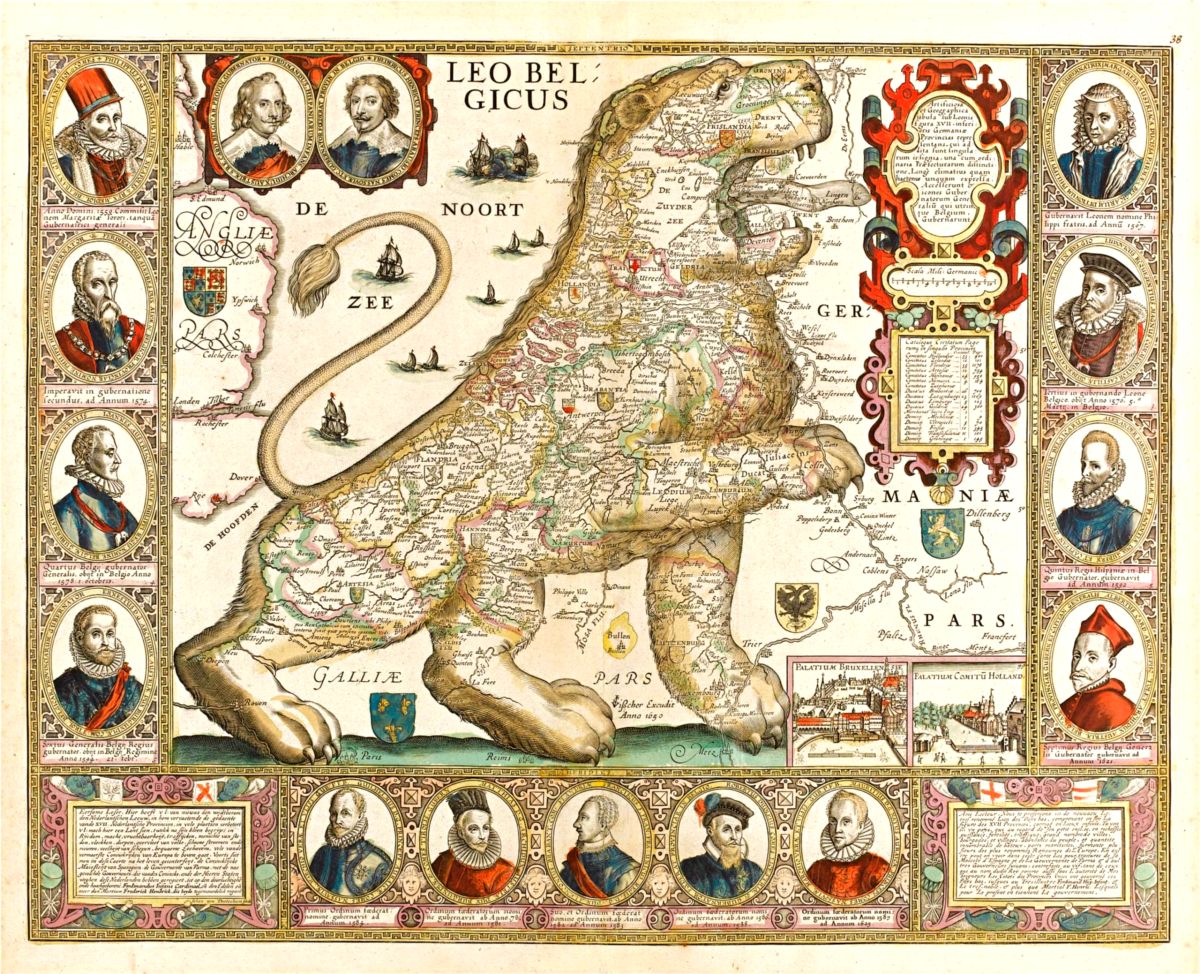
View of Brussels, c. 1610
Charles of Lorraine, traditionally considered the founder of what would become Brussels, c. 979

Sightseeing

Brussels: the capital known for its Grand Place and Atomium
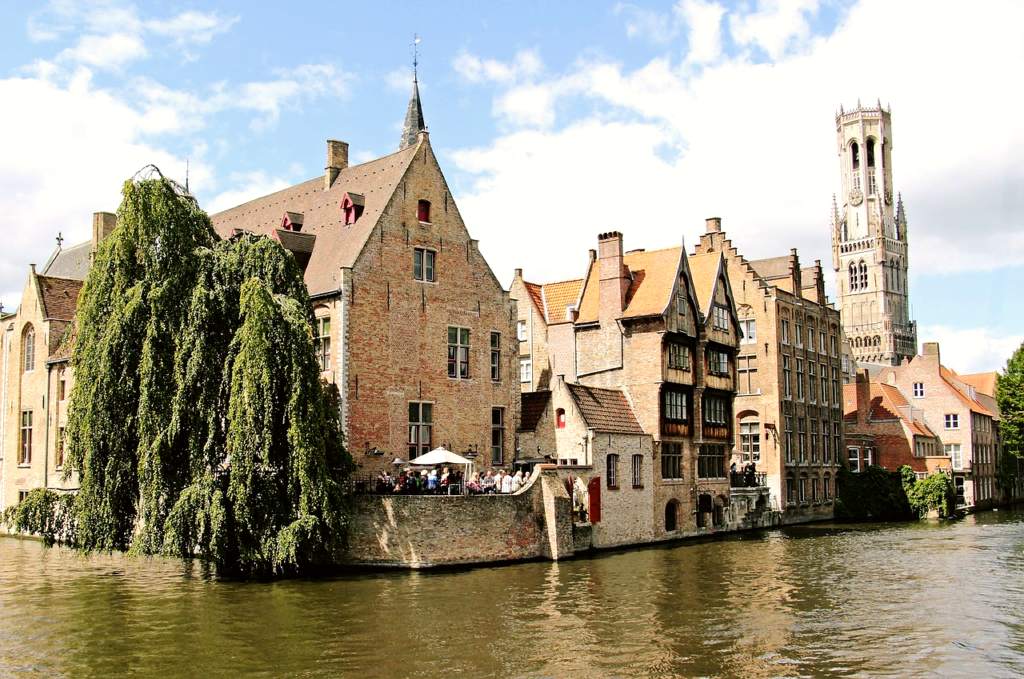
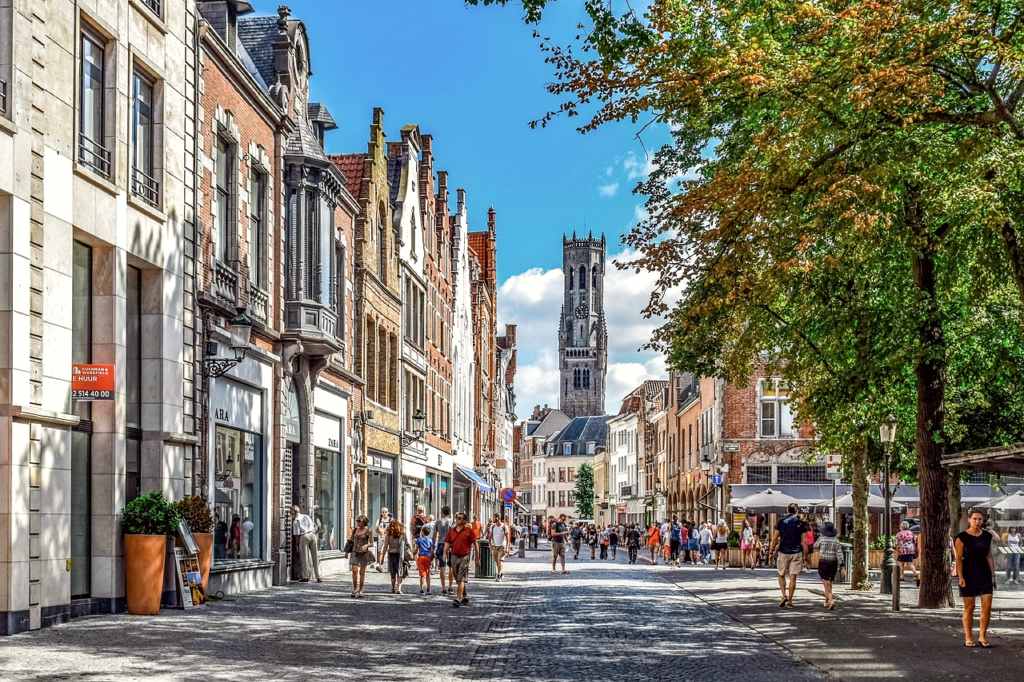
Bruges: a fairy-tale city with canals and cobblestone streets
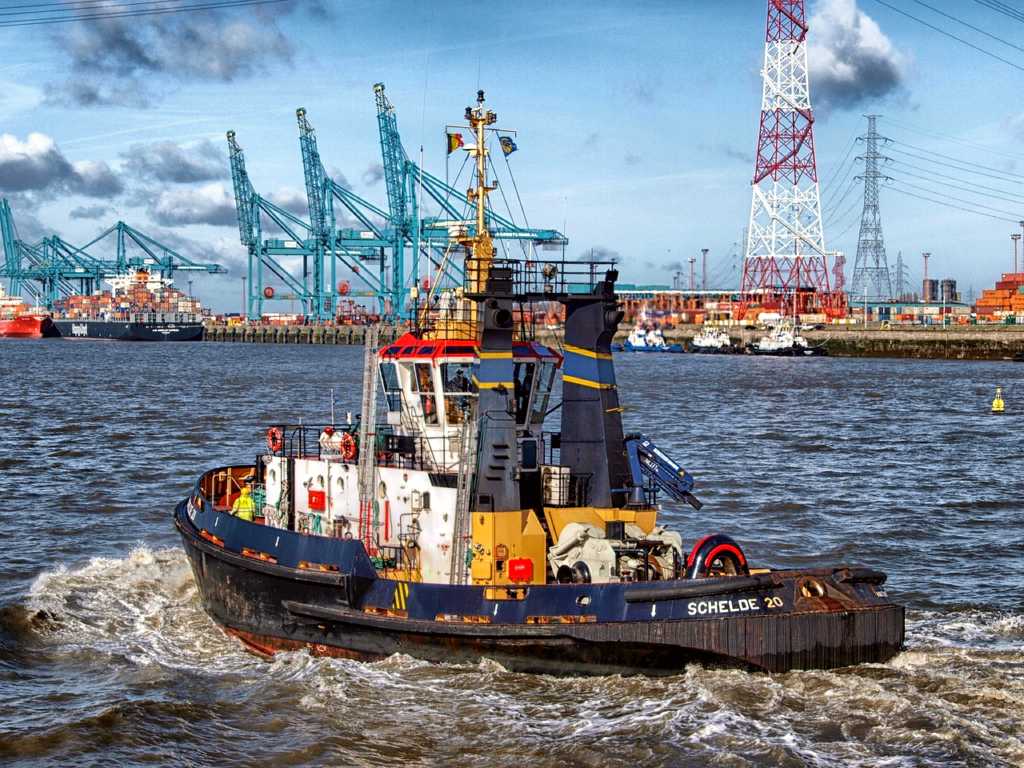
Antwerp: famous for its diamond district and vibrant fashion scene
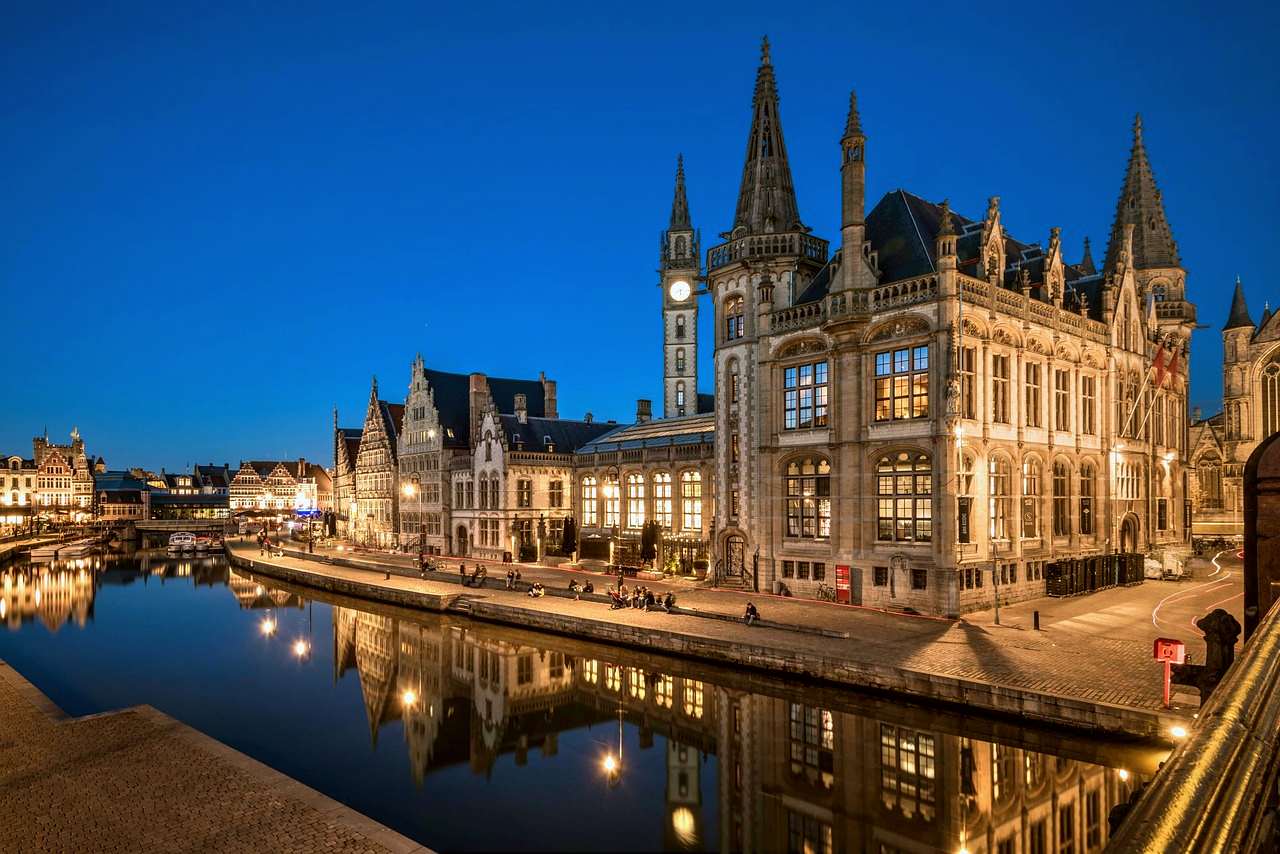
Ghent: a lively university town with medieval architecture
Mechelen: a charming city with a rich history and beautiful churches
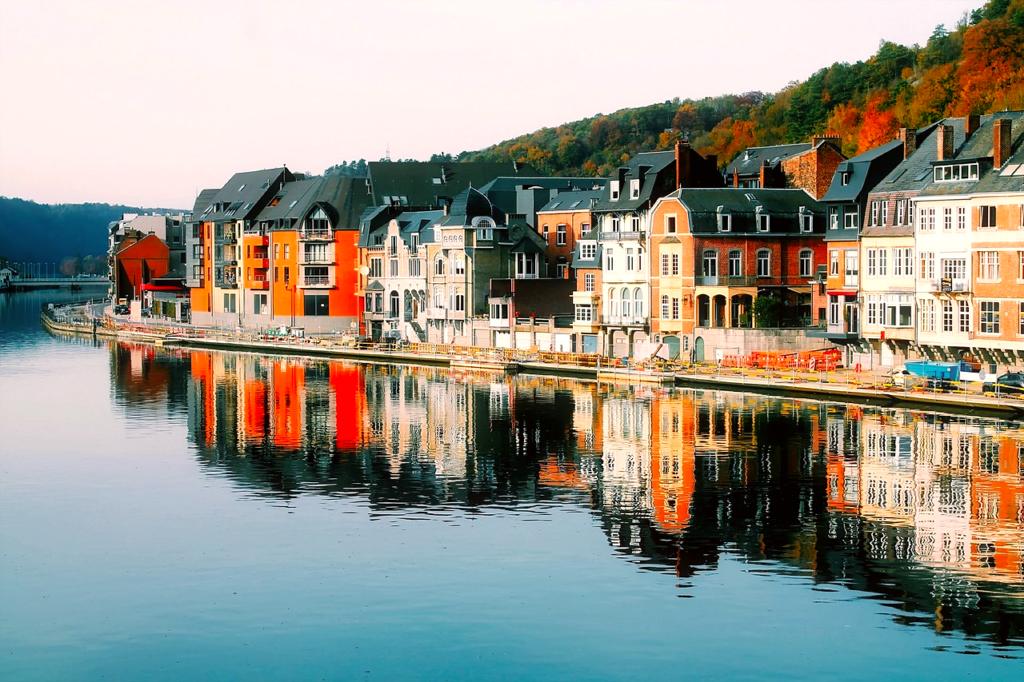
Dinant: a picturesque town along the Meuse River
Leuven: home to one of the oldest universities in the world
Ypres: a historic town with poignant World War I memorials

"A tapestry of cultures and flavors"Belgium

Things to do

Explore the Grand Place in Brussels: a UNESCO World Heritage site
Take a canal boat tour in Bruges: see the city from a different perspective
Visit the Atomium: an iconic building and museum in Brussels
Enjoy a beer tasting: sample local brews at a brewery
Stroll through the historic center of Ghent: admire its architecture
Attend a local festival: experience Belgian culture firsthand
Visit the battlefield sites in Flanders: learn about history
Shop for lace in Bruges: a traditional craft
Local food and drinks - Belgium

Local food and drinks

Moules-frites: mussels served with fries, best enjoyed in coastal towns
Belgian waffles: sweet treats available at street vendors and cafes
Chocolate: indulge in artisanal chocolates from renowned chocolatiers
Beer: try Trappist ales in local pubs, especially in Brussels
Speculoos: spiced cookies, perfect with coffee or as a souvenir
Stoofvlees: a hearty beef stew, often served in local restaurants
Local traditions - Belgium

Local traditions

Carnival of Binche: a UNESCO-recognized festival with vibrant costumes
Brussels Flower Carpet: a stunning floral display every two years
Gentse Feesten: a cultural festival in Ghent celebrating arts and music
Sinterklaas: a festive tradition in December with parades and gifts
Koninginnedag: a celebration of the Belgian monarchy with local festivities

Do's and don'ts

Try local beers at a pub
Visit museums on free entry days
Learn basic phrases in French or Dutch
Respect the local dining etiquette
Explore beyond the major cities for hidden gems
Don't rush through meals; dining is a leisurely experience
Don't take photos in churches without permission
Don't expect all Belgians to speak English fluently
Don't ignore local customs during festivals
Don't litter; keep public spaces clean

A quirky icon of Brussels

Manneken Pis is more than just a fountain; it is a symbol of Brussels' playful spirit. This small bronze statue of a boy urinating has been delighting visitors since the 17th century. Located near the bustling Rue de l'Étuve, it often draws crowds eager to snap a photo. Look closely, and you might catch the statue dressed in various costumes throughout the year, reflecting local events and celebrations. While the area can get crowded, take a moment to enjoy the surrounding cafes and shops, where you can indulge in a Belgian waffle or a local beer.

Gothic architecture in the heart of Brussels

The Cathedral of Saints Michael and Gudula stands as a testament to Brussels' rich architectural heritage. This Gothic masterpiece features stunning stained glass windows and intricate stone carvings. Visitors can explore the interior for free, but consider attending a mass for a unique experience. The cathedral is located near the city center, making it an easy stop during your exploration. Keep an eye out for the occasional concert held within its walls, where the acoustics enhance the beauty of the music. Just be aware that it can get busy during peak tourist seasons.

A unique structure with a view

The Atomium is an iconic structure that represents an iron crystal magnified 165 billion times. Built for the 1958 Brussels World's Fair, it offers panoramic views of the city from its top sphere. The design is striking, with nine interconnected spheres that house exhibitions and galleries. Visiting at twilight provides a magical atmosphere as the structure lights up against the evening sky. However, be prepared for lines, especially on weekends. The surrounding park is also worth a stroll, with plenty of space to relax and enjoy a picnic.
info_outlinePracticalexpand_more
Population: 11.500.000
Best time: April to October

About Belgium

Travelers should note that Belgium's weather can be unpredictable, with rain possible at any time of year. While the major cities are generally safe, petty crime can occur, especially in crowded tourist areas. A little caution goes a long way in ensuring a pleasant visit.

Basic information

Capital: Brussels
Language: Dutch, French, German
Currency: Euro
Best time to visit: April to October

Travel information

Brussels Airport is the main international gateway, well-connected to major cities Trains are efficient for traveling between cities, with frequent services Public transport in cities includes trams, buses, and metro systems Credit cards are widely accepted, but cash is handy for small purchases Wi-Fi is generally available in hotels and cafes, but check for connectivity options

Things to know

Don't assume everyone speaks English; learn a few phrases in French or Dutch
Be cautious of pickpockets in crowded areas, especially in tourist spots
Some shops and restaurants may close early, especially on Sundays
Tipping is appreciated but not mandatory; rounding up is common
Respect local customs, especially during religious events

Good to know

Accessibility: Many cities are wheelchair-friendly, but some historic areas may pose challenges.
Price level: mid-range
history_eduHistoryexpand_more
History - Belgium

Belgium's history is marked by its strategic location at the crossroads of Europe. It has been influenced by various cultures and powers, including the Romans, Franks, and Spanish. The country gained independence from the Netherlands in 1830, establishing itself as a constitutional monarchy.

Throughout the 20th century, Belgium faced significant challenges, including both World Wars. The aftermath of these conflicts shaped its modern identity, leading to a focus on unity among its diverse linguistic communities. Today, Belgium is known for its political complexity and rich cultural heritage.

Photo: Wikipedia / Wikimedia Commons