search
search
add New trip

France

FR calendar_monthApr–Jun, Sep–Octbest time schedule10 daysplan for child_careYeswith kids flagPariscapital €Eurocurrency translateFrenchlanguage
FranceYour own route Plan a trip here →

France is a country that effortlessly blends rich history, stunning landscapes, and vibrant culture. From the bustling streets of Paris to the serene countryside of Provence, every corner offers something unique for travelers. The diverse regions each have their own charm, making it a destination that caters to all tastes.

Read more

However, navigating France can be a mixed experience. While major cities are well-connected and tourist-friendly, rural areas may present language barriers and limited public transport. Be prepared for occasional crowds at popular sites, especially during peak seasons, and always check local customs to enhance your experience.

Sightseeing

Eiffel Tower: iconic symbol of Paris
Louvre Museum: home to thousands of art pieces
Mont Saint-Michel: stunning island commune
Palace of Versailles: opulent royal residence
Provence: picturesque lavender fields
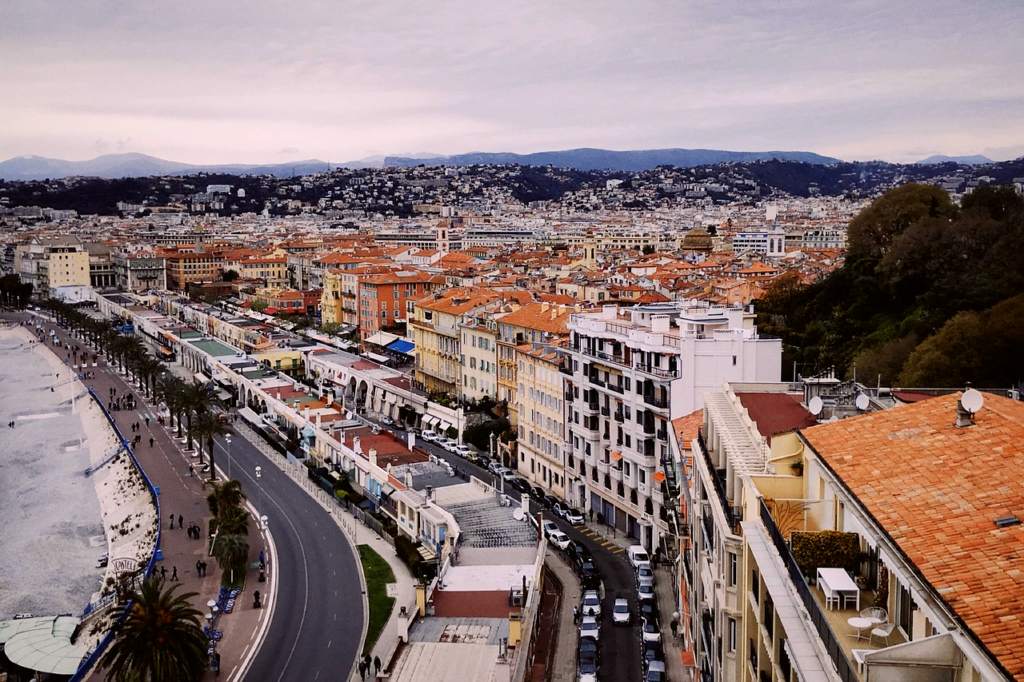
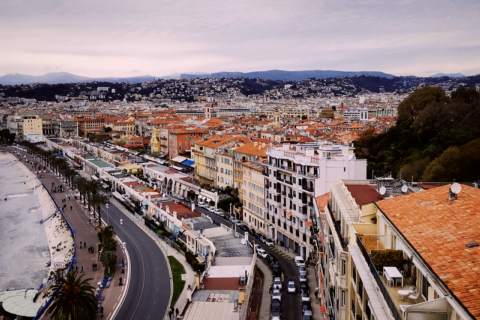
French Riviera: glamorous coastal region
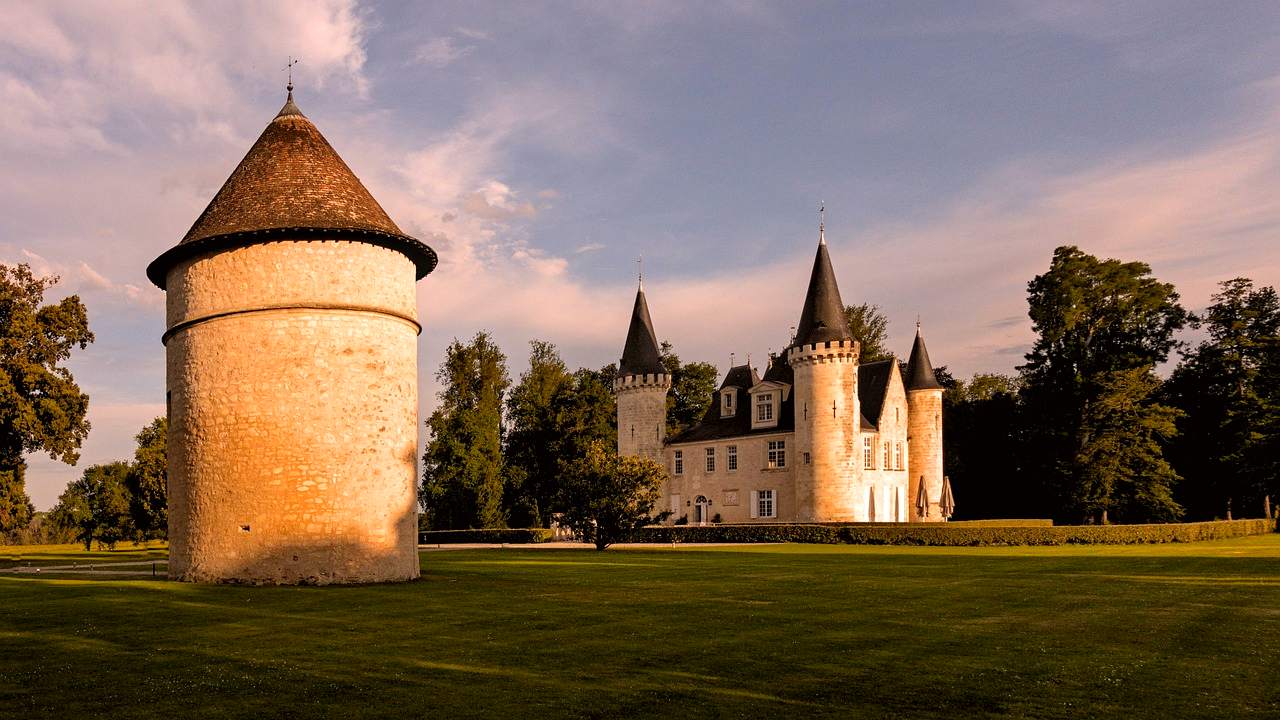
Château de Chambord: remarkable Renaissance castle
Normandy Beaches: historic WWII sites

"Experience the art of living"France

Things to do

Explore Parisian cafes: enjoy coffee and people-watching
Visit vineyards: taste world-renowned wines
Stroll through local markets: experience authentic French culture
Attend a cooking class: learn to make classic dishes
Relax on the beaches: unwind along the Mediterranean coast
Hike in the Alps: enjoy breathtaking mountain views

Local food and drinks

Croissant: flaky pastry, best enjoyed at breakfast
Boeuf Bourguignon: hearty beef stew, try in Burgundy
Ratatouille: vegetable dish, perfect in summer
Macarons: colorful almond meringue cookies, found in patisseries
Bouillabaisse: traditional fish stew, savor in Marseille
Champagne: sparkling wine, best enjoyed in the Champagne region

Local traditions

Bastille Day: national holiday on July 14
Fête de la Musique: music festival on June 21
Christmas Markets: festive markets in December
Mardi Gras: vibrant celebrations before Lent
Harvest Festivals: local celebrations in wine regions

Do's and don'ts

Learn basic French phrases: it goes a long way
Try local specialties: embrace regional cuisine
Respect museum rules: no flash photography
Dress appropriately: especially in religious sites
Be punctual: it shows respect for others
Don't speak loudly in public places
Don't assume everyone speaks English
Don't rush through meals: savor the experience
Don't take photos in restricted areas
Don't forget to greet shopkeepers when entering

Explore the grandeur of Versailles

The Palace of Versailles is a testament to France's royal history. The gardens, designed by André Le Nôtre, stretch over 800 hectares and feature meticulously trimmed hedges and fountains that come alive during the summer months. A stroll through these grounds can feel like stepping back in time. However, be prepared for long lines, especially in July and August. Arriving early in the morning can help you avoid the crowds. Don't forget to check out the Grand Trianon, a quieter retreat that offers a glimpse into the lives of the French monarchy.

Experience the charm of Saint-Tropez

Saint-Tropez is more than just a summer playground for the wealthy. The old town, with its narrow streets and pastel-colored buildings, invites leisurely exploration. Stop by the Place des Lices for a game of pétanque or enjoy a coffee at a local café. The Church of Our Lady of the Assumption, with its iconic bell tower, is a focal point of the town. While the beaches can get crowded in July and August, visiting in late spring or early fall offers a more relaxed atmosphere. Just be mindful of the high prices at beach clubs during peak season.

Wander through lavender fields

The lavender fields of Provence are a sensory delight, especially in July when the blooms are at their peak. The vibrant purple rows stretch across the landscape, creating a picturesque scene. Many farms offer tours and the chance to purchase lavender products, from essential oils to soaps. However, be aware that some areas can be quite touristy, so seek out smaller farms for a more authentic experience. The best time to visit is early morning or late afternoon when the light is soft and the crowds are thinner.
Practical

At a glance

Population
67.000.000
Best time
April to June, September to October

Basic information

Capital: Paris
Language: French
Currency: Euro
Best time to visit: April to June, September to October

Travel information

Fly into major airports: Charles de Gaulle in Paris or Nice Côte d'Azur for the French Riviera. Use trains: the TGV is efficient for intercity travel, especially between Paris and Lyon. Rent a car: ideal for exploring rural areas like Provence or Normandy. Public transport is extensive in cities, with metro systems in Paris and Lyon being particularly reliable. Credit cards are widely accepted, but carry some cash for local markets and smaller shops.

Things to know

Language barriers can be common outside major cities.
Tipping is appreciated but not mandatory, rounding up the bill is common.
Watch for pickpockets in crowded areas, especially on public transport.
Many shops close for lunch, typically from 12 PM to 2 PM, so plan accordingly.
Cultural etiquette is important; greet locals with a simple 'Bonjour' or 'Bonsoir' before starting a conversation.
history_eduHistoryexpand_more

France's history is marked by its influential role in European politics, culture, and art. From the reign of the Merovingians in the 5th century to the establishment of the French Republic in the 18th century, France has seen revolutions, wars, and cultural movements that shaped the modern world. The Enlightenment period brought forth ideas that influenced democracy and human rights.

In the 20th century, France was pivotal during both World Wars, facing occupation and liberation. The post-war era saw a resurgence in culture and economy, leading to France becoming a founding member of the European Union. Today, France remains a cultural powerhouse, attracting millions of visitors each year.

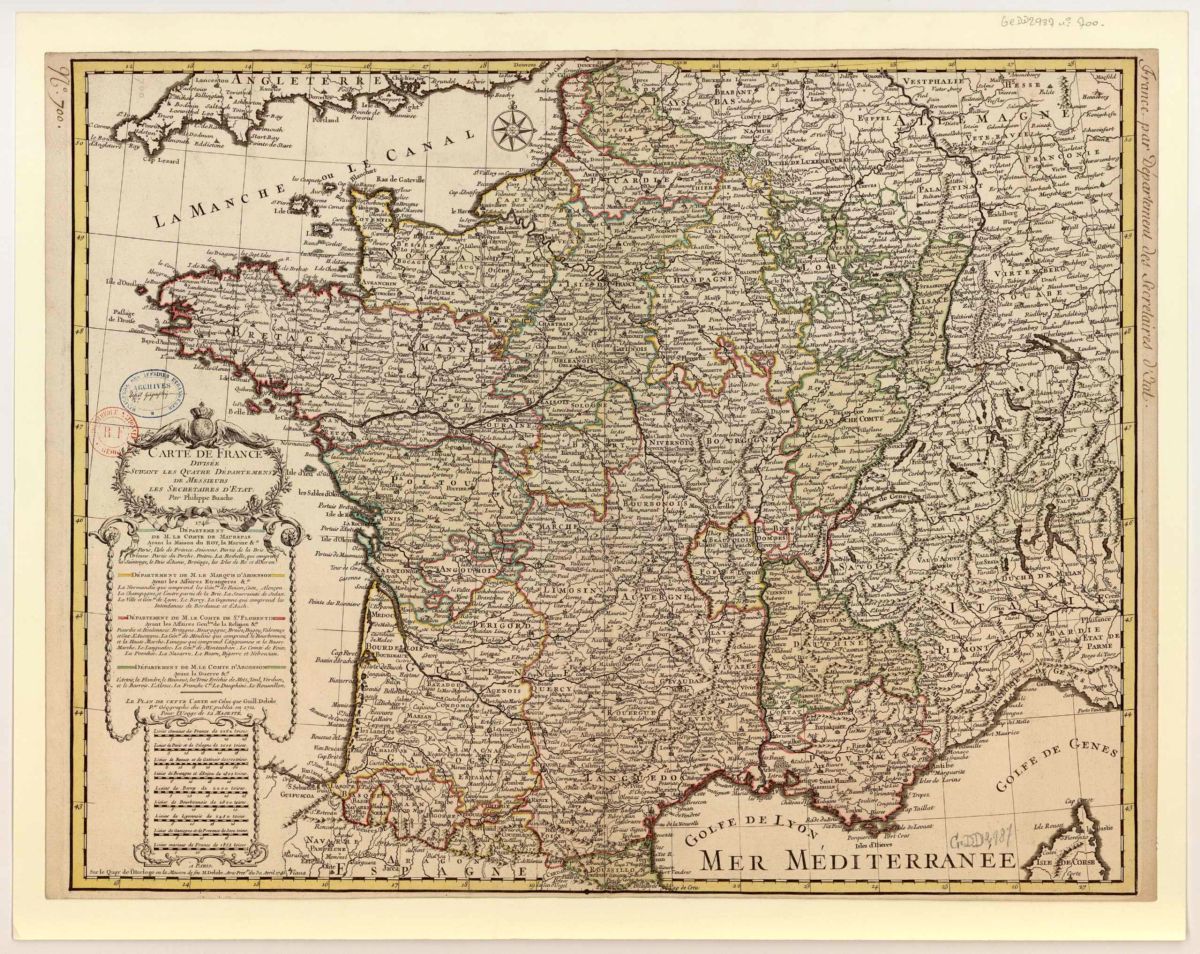
Photo credits (1)
  • Buache, Philippe (1700-1773). Cartographe Delisle, Guillaume (1675-1726). Grave… · Public domain · Wikimedia Commons