search
search
add New trip
Le Havre

Le Havre

Population: 170.000 Since: Founded in 1517 Price: Mid-range

Introduction

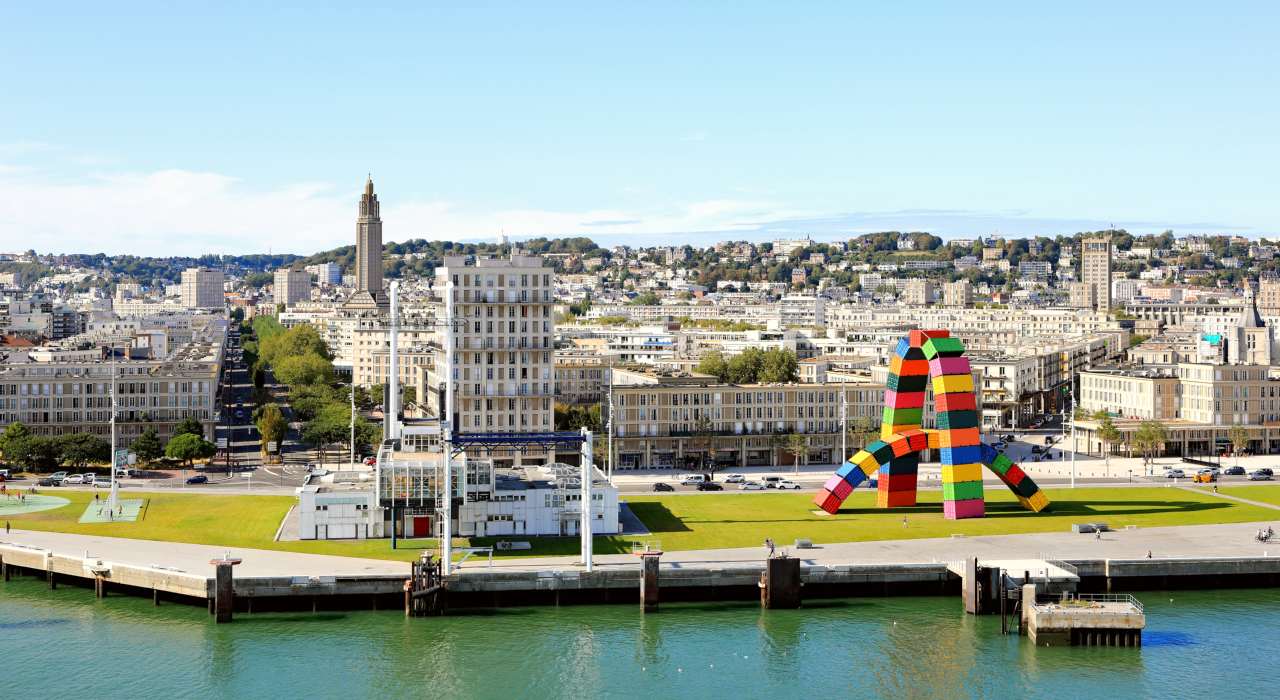
Le Havre is a port city with a unique blend of modern architecture and historical charm. The city was rebuilt after World War II, giving it a distinct character that stands out in Normandy.

Visitors can explore the waterfront, enjoy local cuisine, and appreciate the artistic vibe that permeates the streets. The mix of old and new creates a dynamic atmosphere, inviting travelers to discover its layers.

Sightseeing

St Joseph's Church: notable for its striking tower and modern design
The Volcano: a cultural center with a distinctive architectural style
Bassin du Commerce: scenic port area with a lovely bridge
St Vincent District: charming area with a village-like feel
The funiculaire: cable car offering views of the city
Hotel de Ville: impressive town hall with a panoramic view
Les Halles: covered market showcasing local produce
Pont de Normandie: iconic bridge connecting to Honfleur

"A port city with rich history"Le Havre

Things to do

Climb the tower of Hotel de Ville for city views
Relax at the beach during warm weather
Take a bike ride along the seafront
Visit the port for a boat tour or bike ride
Explore the residential area of Ste Adresse for scenic views
Enjoy a meal at a local crêperie
Attend a performance at The Volcano cultural center
Stroll through the historic St Vincent District
Local food and drinks - Le Havre

Local food and drinks

Crêperie Maryvonne: known for savory crêpes
Le Havre des Sens: fine dining at the casino
Whoopies Diner: American diner experience
Le Lafayette: classic brasserie fare
Chez Sophie: cozy spot for local dishes
Local traditions - Le Havre

Local traditions

Fête de la Mer: annual celebration of maritime culture
Les Flâneries: summer arts festival with various performances
Christmas Market: seasonal market with local crafts and food
Local cider festivals: celebrating Normandy's cider production
History - Le Havre

History

Le Havre was founded in the early 16th century as a harbor for Paris, facilitating trade and transport. The city played a crucial role during the French Revolution and later became a significant port for military and commercial shipping. The city faced devastation during World War II, particularly in the Battle of Normandy. Its reconstruction, led by architect Auguste Perret, utilized reinforced concrete and resulted in a UNESCO World Heritage designation, highlighting its architectural significance.

Things to know

Public transport can be limited, especially on weekends
Some tourist spots may have long lines during peak season
Be cautious of pickpockets in crowded areas
Parking can be challenging in the city center

Do's and don'ts

Explore the local markets for fresh produce
Try the local cider at a nearby bar
Visit the beach for a relaxing day
Take photos of the unique architecture
Don't ignore the local dining scene
Don't rush through the historical districts
Don't forget to check the weather before heading to the beach
Don't miss out on local events and festivals

Good to know

Accessibility: Most areas are wheelchair accessible
Price level: mid-range

Photo: Wikipedia / Wikimedia Commons