search
search
add New trip
Aachen

Aachen

Population: 250.000 Since: Founded around 1 AD Price: Mid-range

Introduction

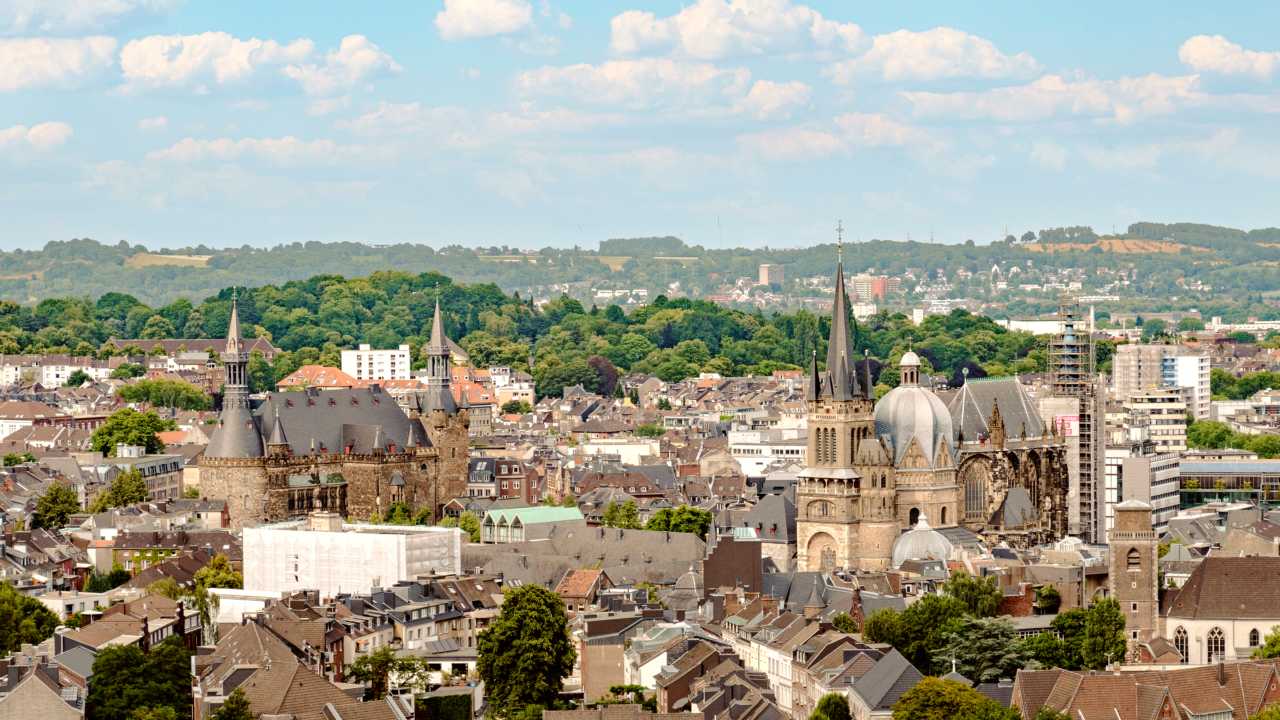
Aachen has a rich history that resonates through its streets. The city is known for its thermal springs and the impressive Aachen Cathedral, a UNESCO World Heritage site. Visitors can feel the blend of German, Belgian, and Dutch influences in its architecture and culture.

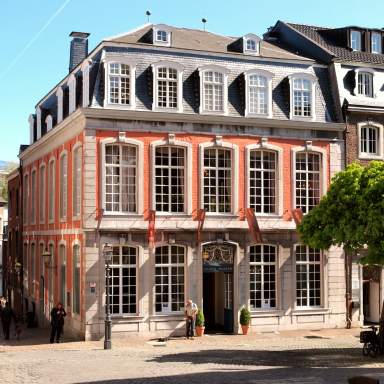
Walking through the city, you will encounter charming squares and a mix of modern and historic buildings. The atmosphere is relaxed, with plenty of cafes and restaurants where you can sit and enjoy the local cuisine while people-watching.

Sightseeing

Aachen Cathedral: A UNESCO World Heritage site and architectural marvel
Elisenbrunnen: A historic spa building with thermal springs
Aachen Town Hall: A blend of Gothic and Renaissance architecture
Lousberg: A hill offering panoramic views of the city
Couven Museum: Showcases 18th-century life in Aachen
Puppenbrunnen: A whimsical fountain featuring puppets
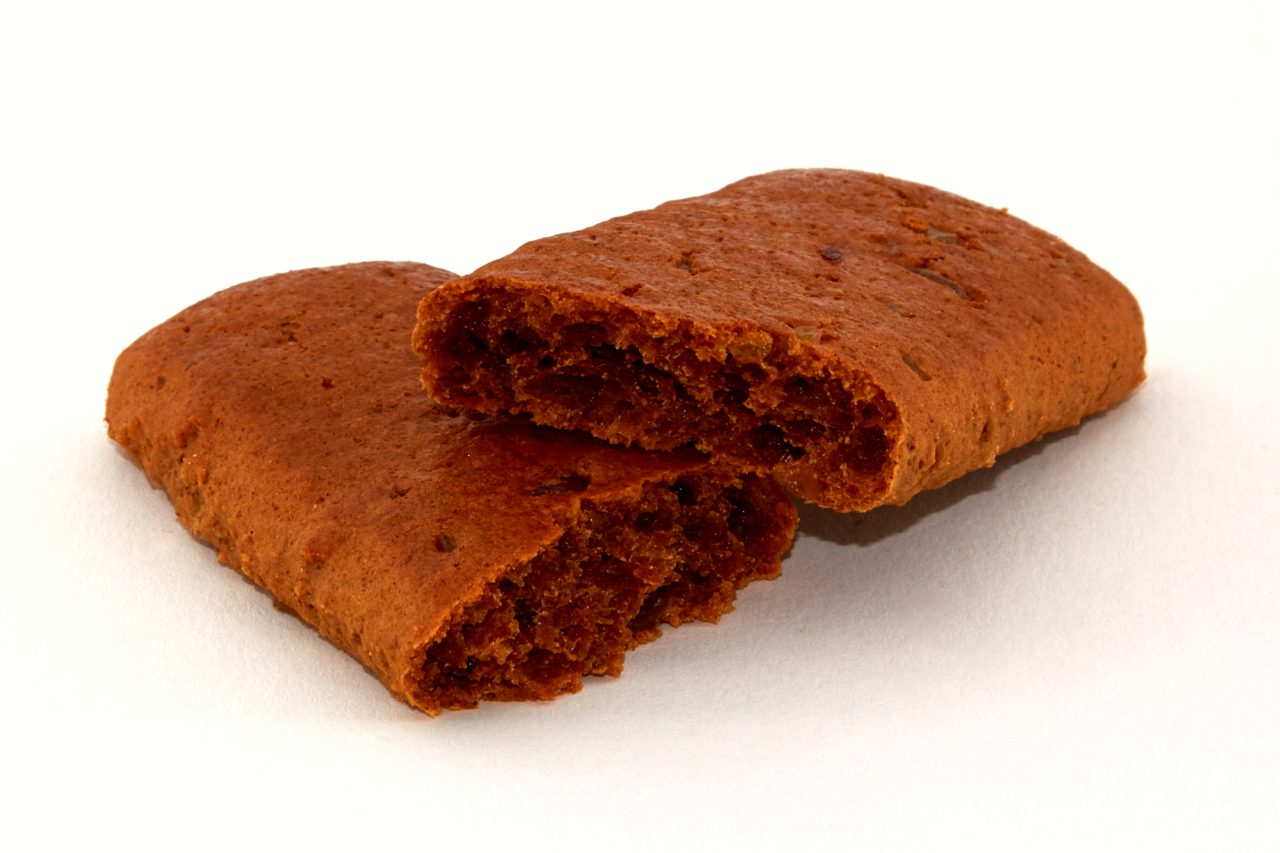
Aachen Printen Bakery: Famous for its gingerbread cookies
Ponttor: A well-preserved medieval city gate

"A city of history and healing"Aachen

Things to do

Relax at the Carolus Thermen spa: Enjoy the thermal baths and wellness treatments
Stroll through the Markt: Experience local life and grab a bite from food stalls
Visit the Centre Charlemagne: Learn about Aachen's history and its role in Europe
Explore the Frankenberger Viertel: Discover alternative shops and eateries in this vibrant neighborhood
Local food and drinks - Aachen

Local food and drinks

Printen: A type of gingerbread unique to Aachen
Curry-Palast: Known for its hearty German dishes
Sultans of Kebab: Offers delicious Turkish kebabs and desserts
Damascus Gate Restaurant: Serves authentic Syrian cuisine
Pont Grill: Affordable spot for chicken and pizza
Local traditions - Aachen

Local traditions

Carnival: A lively celebration with parades and costumes in spring
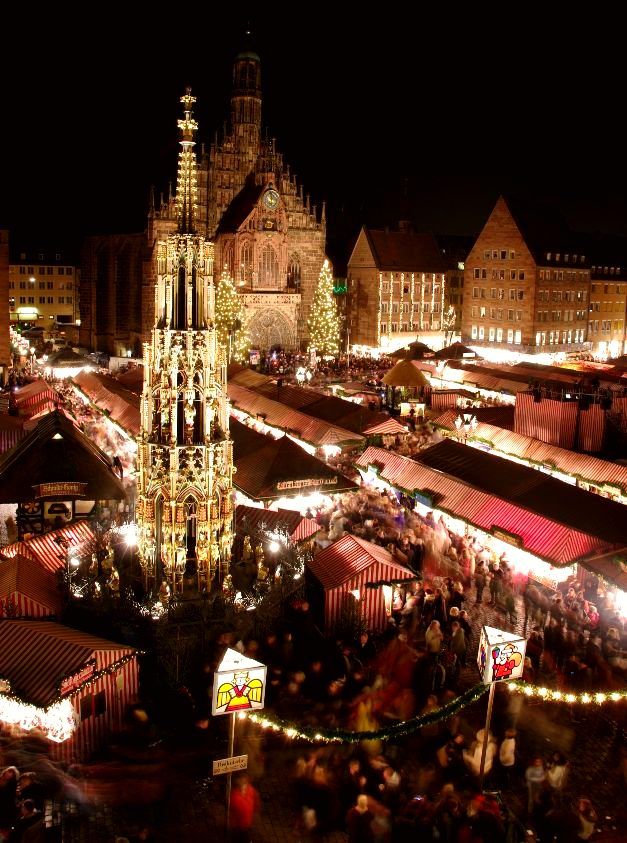
Christmas Market: A festive gathering with local crafts and food in December
Aachen Beer Festival: A showcase of local brews and food in summer
Procession of the Holy Relics: A historical event held every seven years

History

Aachen has been a significant city since Roman times, known for its hot springs. Charlemagne made it his preferred residence in the 9th century, turning it into a cultural and political center of the Carolingian Empire. The city became a site for royal coronations and a hub for scholars and artists.

The city's architecture reflects its historical importance, with the Aachen Cathedral being a prime example. Over the centuries, Aachen has maintained its status as a spa town and a crossroads of European culture, continuing to attract visitors for its rich heritage and thermal waters.

Things to know

Be cautious of tourist traps around the cathedral area, especially overpriced souvenirs
Public transport is reliable, but some bus routes may have limited schedules on weekends
Safety is generally good, but watch for pickpockets in crowded areas
Many shops close early on Sundays, so plan accordingly

Do's and don'ts

Try the local Printen gingerbread
Visit the thermal baths for relaxation
Explore the historic neighborhoods on foot
Attend local festivals for a taste of culture
Don't rush your visit; take time to enjoy the city
Don't expect all shops to be open on Sundays
Don't miss the chance to try local dishes
Don't ignore the public transport schedules

Good to know

Accessibility: Most areas are wheelchair accessible, but some historic sites may have limitations.
Price level: mid-range

Photo: Wikipedia / Wikimedia Commons