search
search
add New trip
Germany

Germany

DE calendar_monthMay–Jun, Sep–Octbest time schedule10 daysplan for child_careYeswith kids flagBerlincapital Eurocurrency translateGermanlanguage
GermanyYour own route Plan a trip here →

Germany is a country rich in history, culture, and stunning landscapes. From the bustling streets of Berlin to the serene beauty of the Bavarian Alps, there is something for every traveler. The efficient public transport system makes it easy to explore both urban and rural areas, allowing you to experience the diverse offerings of this European gem.

In pictures

Bavaria is the German state with the most visitors.
Mecklenburg-Vorpommern with its beaches at the Baltic Sea has the highest density of tourists. It is favourably located between Germany's major cities Berlin and Hamburg.
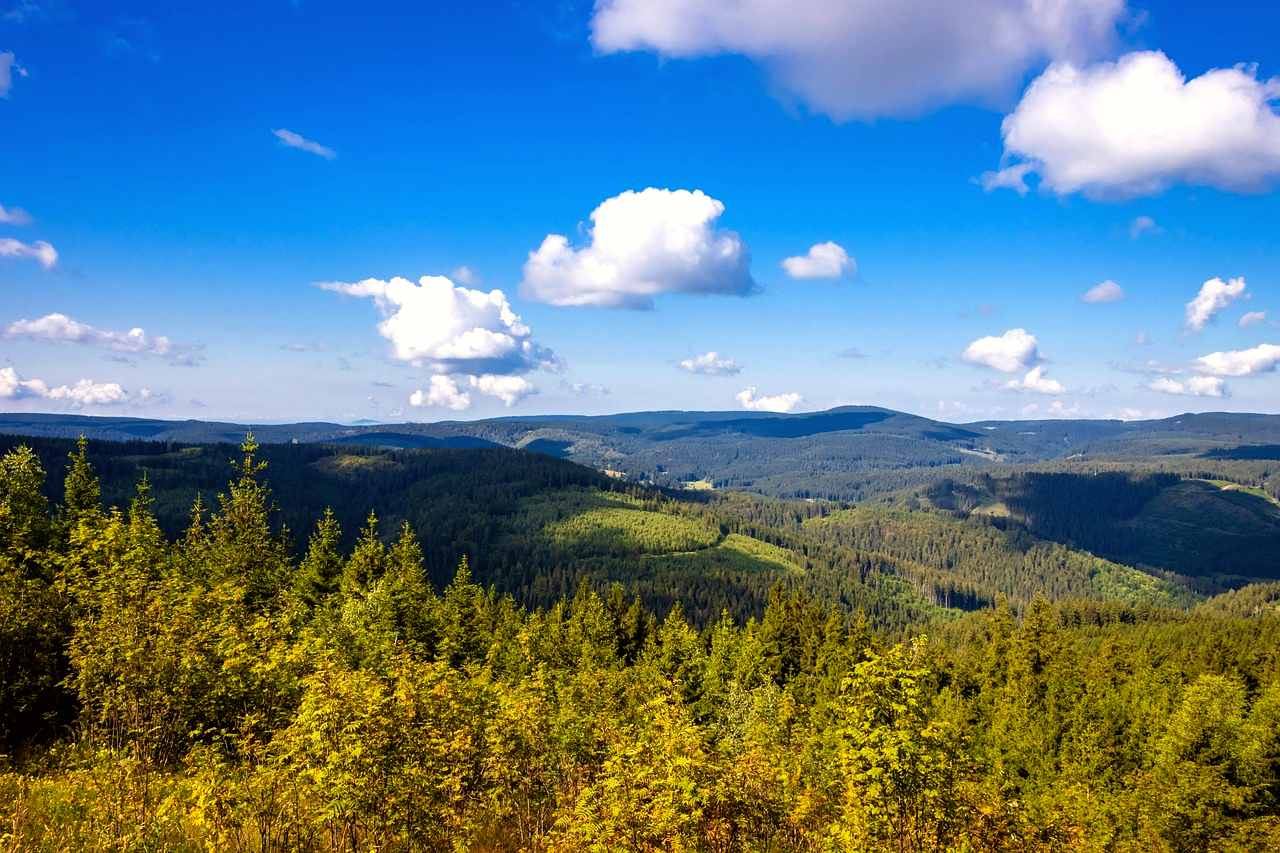
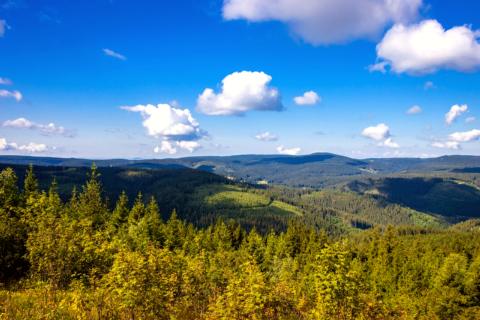
The Harz with its rugged terrain extends across parts of Lower Saxony, Saxony-Anhalt, and Thuringia and has a long history of mining and being a seat of German political power, represented in the Unesco world heritage sites of Goslar and Quedlinburg.
The Black Forest is a large forested mountain range in the state of Baden-Württemberg in southwest Germany, bounded by the Rhine Valley to the west and south and close to the borders with France and Switzerland.
Mecklenburg-Vorpommern with its beaches at the Baltic Sea has many seside resorts, like the pictured Grand Hotel Heiligendamm, built between 1793 and 1870
Dune on the North Frisian island of Sylt
Stubbenkammer on the Baltic island of Rügen
A cuckoo clock, symbol of the Black Forest

Sightseeing

Berlin Wall: a poignant reminder of Germany's divided past
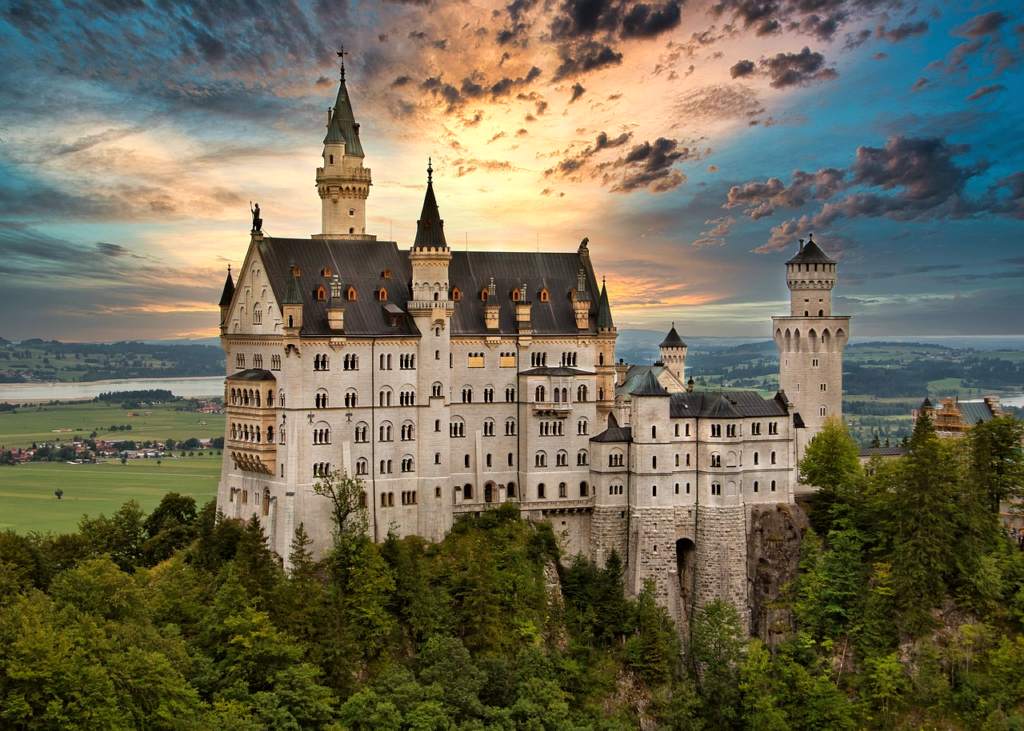
Neuschwanstein Castle: a fairy-tale castle in the Bavarian Alps
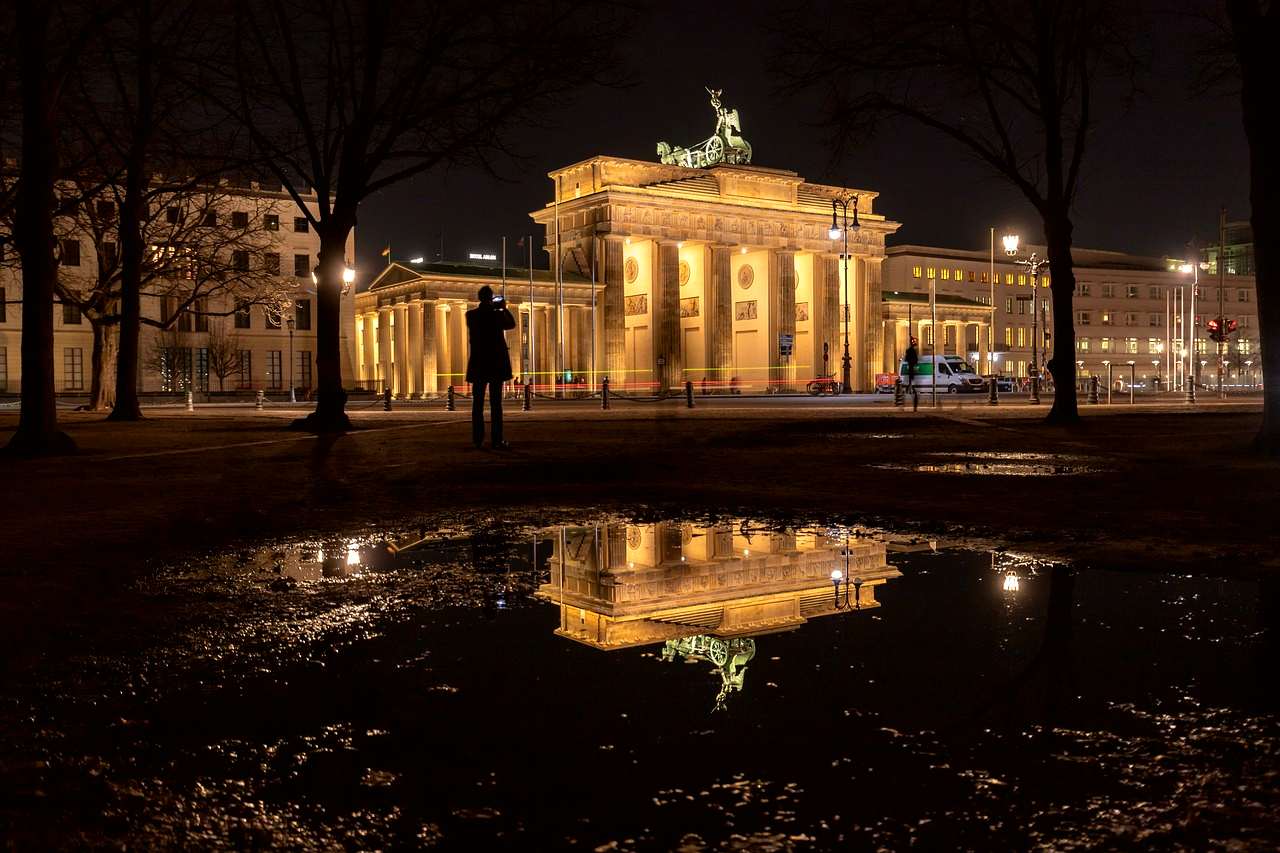
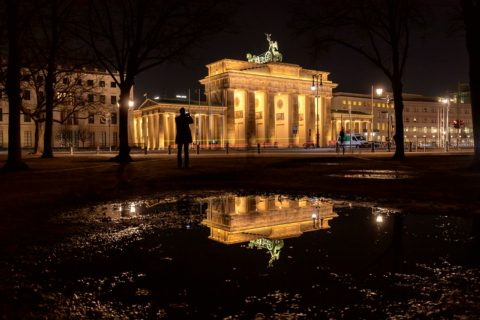
Brandenburg Gate: an iconic symbol of Berlin
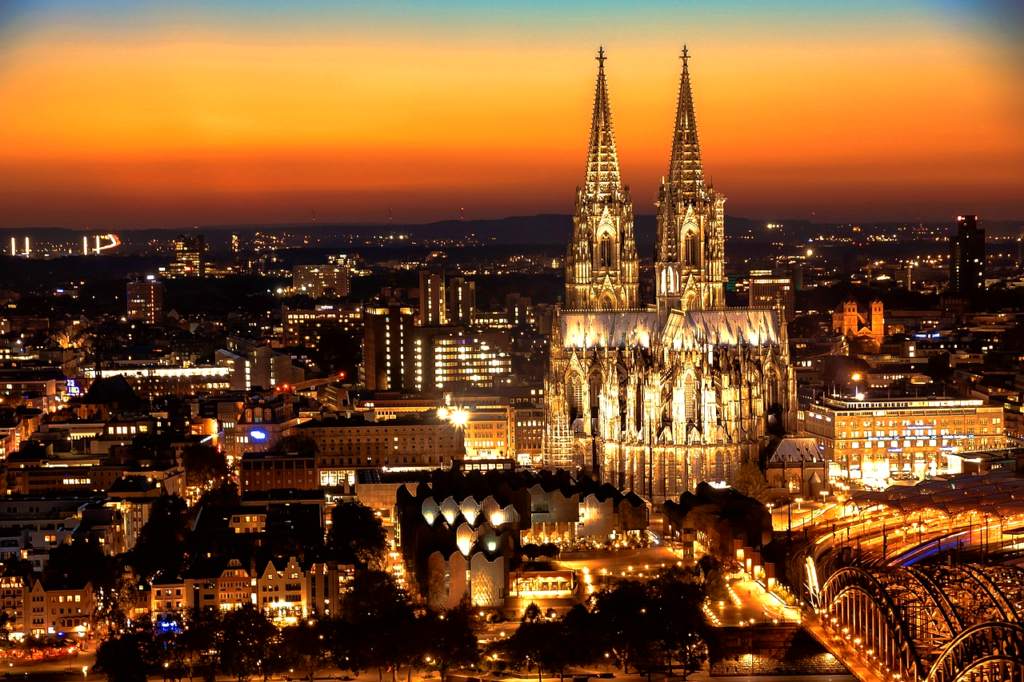
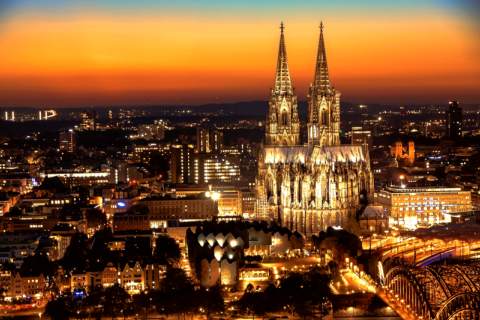
Cologne Cathedral: a stunning Gothic masterpiece
Black Forest: famous for its dense woods and cuckoo clocks
Oktoberfest: the world's largest beer festival in Munich
Rhine Valley: picturesque vineyards and charming villages
Dresden's Frauenkirche: a stunning baroque church rebuilt after WWII

"Experience the heart of Europe"Germany

Things to do

Explore Berlin's vibrant street art scene: discover murals and graffiti
Hike in the Bavarian Alps: enjoy breathtaking mountain views
Visit museums in Berlin: from history to contemporary art
Take a Rhine River cruise: see castles and vineyards from the water
Attend a local festival: experience German culture firsthand
Sample local beers: visit traditional beer gardens
Tour historical sites: learn about Germany's rich history
Relax in thermal baths: unwind in natural hot springs
Local food and drinks - Germany

Local food and drinks

Bratwurst: a popular sausage, best enjoyed at street stalls
Sauerbraten: pot roast, often served with red cabbage, try it in traditional restaurants
Pretzels: soft baked bread, a must-have snack at beer gardens
Black Forest Cake: a rich chocolate cake, perfect for dessert
Weissbier: a refreshing wheat beer, ideal for summer
Gluhwein: spiced mulled wine, popular during Christmas markets
Local traditions - Germany

Local traditions

Oktoberfest: a world-famous beer festival held annually in Munich
Christmas Markets: festive markets filled with crafts and food during Advent
Carnival: vibrant parades and celebrations before Lent
Maypole Dancing: a traditional spring celebration in many villages
St. Martin's Day: a children's festival with lantern processions

Do's and don'ts

Try to learn a few basic German phrases: locals appreciate the effort
Respect local customs and traditions: it shows cultural sensitivity
Use public transport: it's efficient and eco-friendly
Participate in local festivals: immerse yourself in the culture
Be punctual: Germans value timeliness in both social and business settings
Don't assume everyone speaks English: be prepared with a translation app
Don't walk on bike paths: cyclists have the right of way
Don't tip excessively: rounding up is usually sufficient
Don't engage in loud conversations in public transport: keep it quiet
Don't take photos in museums without permission: respect the rules
Explore the beauty of Bavaria

Explore the beauty of Bavaria

The St. Bartholomew's Church sits on the shores of Lake Konigssee, surrounded by the jagged peaks of the Berchtesgaden Alps. This picturesque spot is perfect for a peaceful afternoon. You can take a boat ride across the lake or hike the nearby trails for a closer look at the dramatic landscape. Keep in mind that the area can get crowded during summer months. If you prefer a quieter experience, consider visiting in early spring or late autumn. The church's striking red domes against the backdrop of the mountains make for a memorable photo opportunity.

Relax on Sylt's sandy beaches

Relax on Sylt's sandy beaches

Sylt is known for its long stretches of sandy beaches and unique thatched-roof houses. The Dunes Beach is a popular spot for sunbathing and beach walks. You can enjoy fresh seafood at local shacks, with dishes like fried fish sandwiches or crab salad. Be prepared for strong winds, especially in the fall and winter. The island can feel quite different during the off-season, with fewer tourists and a more tranquil atmosphere. If you enjoy nature, take time to explore the nearby nature reserves.

View from the Königsstuhl cliffs

View from the Königsstuhl cliffs

The Königsstuhl cliffs on Rügen Island offer a dramatic view of the Baltic Sea. Standing at 118 meters high, this chalk cliff is part of the Jasmund National Park. You can hike along the trails that wind through the beech forests, leading to various viewpoints. The area is particularly beautiful in late spring when the trees are lush and green. However, be cautious of the weather, as it can change quickly. The cliffs are also prone to erosion, so stay on marked paths for safety.
info_outlinePracticalexpand_more
Population: 83.000.000
Best time: May to September

About Germany

However, be prepared for a range of weather conditions, especially in winter. Some attractions may have limited hours or be closed during off-peak seasons, so planning ahead is essential to make the most of your trip.

Basic information

Capital: Berlin
Language: German
Currency: Euro
Best time to visit: May to September

Travel information

Germany is well-connected by international flights, with major airports in Berlin, Frankfurt, and Munich. The extensive train network makes it easy to travel between cities and regions. Public transport in cities is efficient, with buses, trams, and subways available. Credit cards are widely accepted, but carry some cash for smaller establishments. Free Wi-Fi is common in many public spaces and cafes.

Things to know

Tipping is customary but not mandatory; round up the bill.
Some attractions may require advance booking, especially during peak seasons.
Be mindful of quiet hours in residential areas, especially at night.
Public drinking is generally accepted, but be respectful in public spaces.
Watch out for pickpockets in crowded tourist areas.
history_eduHistoryexpand_more
History - Germany

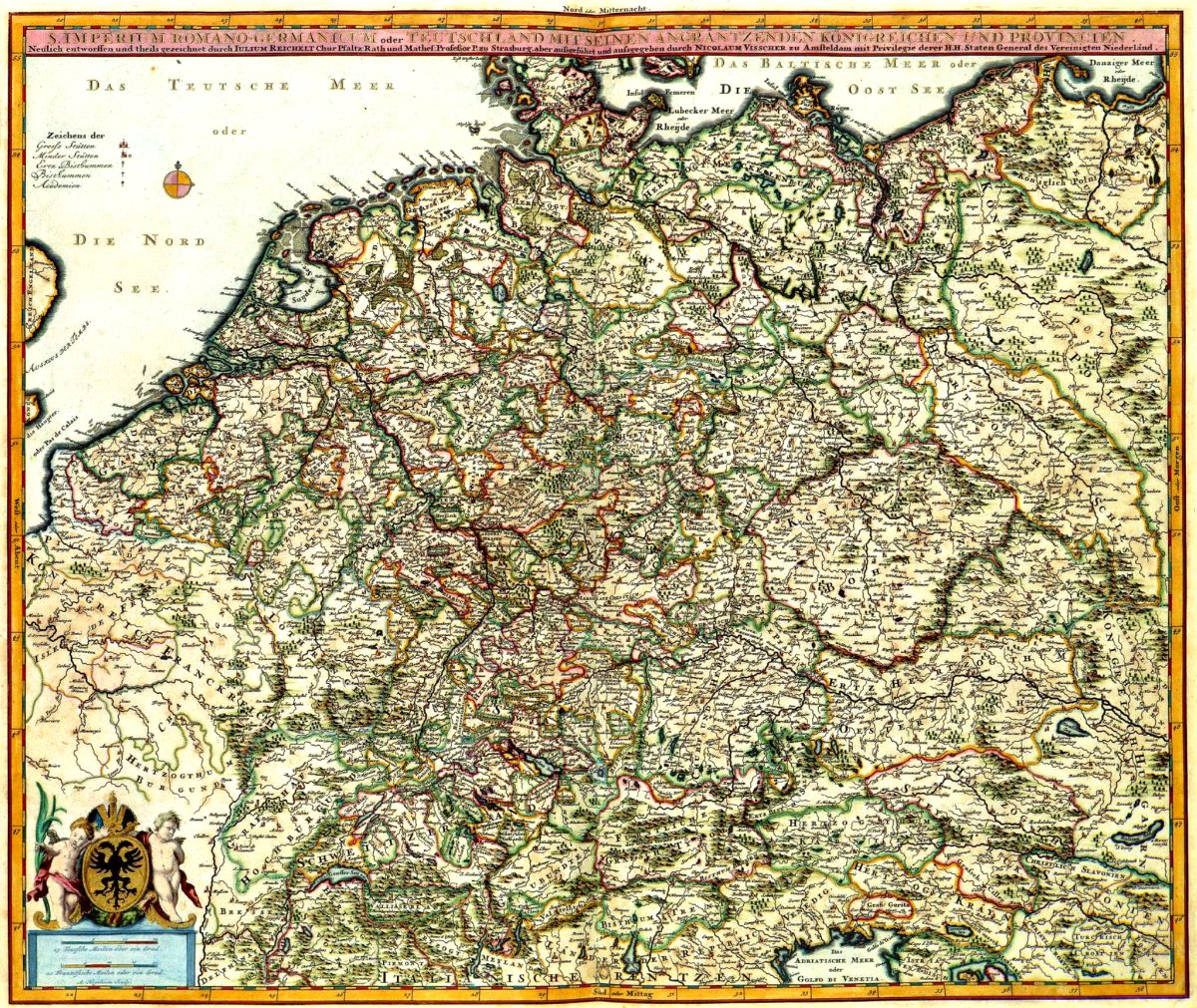
Germany's history is marked by significant events, from the Holy Roman Empire to the rise and fall of the Berlin Wall. The country has undergone dramatic changes, especially in the 20th century, with two World Wars and the subsequent division into East and West Germany during the Cold War.

The reunification in 1990 marked a new era, leading to Germany's emergence as a leading European power. Today, it is known for its strong economy, cultural contributions, and commitment to the European Union, making it a key player on the global stage.

Photo: Wikipedia / Wikimedia Commons