search
search
add New trip
Crete

Crete

calendar_monthApr–Jun, Sep–Octbest time schedule7 daysplan for child_careYeswith kids
CreteYour own route Plan a trip here →

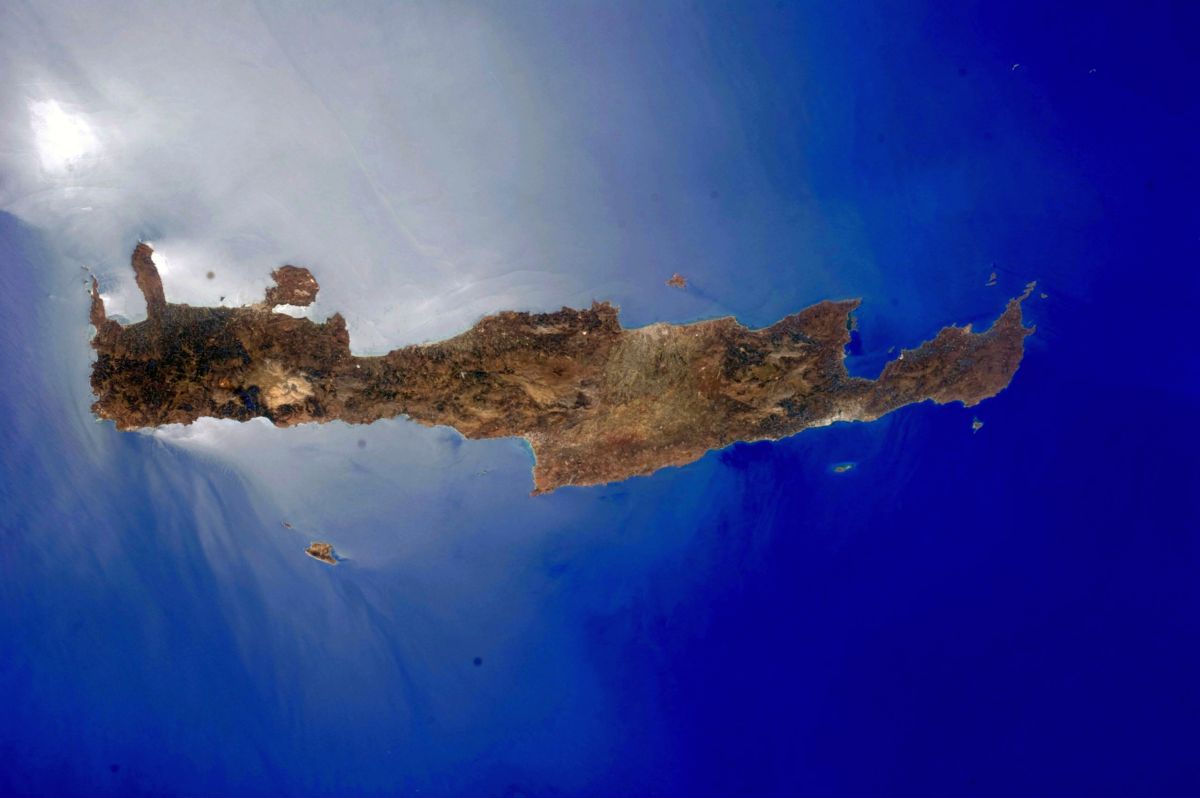
Crete, the largest of the Greek islands, offers a captivating blend of stunning landscapes, rich history, and vibrant culture. Visitors are greeted by picturesque beaches, charming villages, and ancient ruins, making it a paradise for both relaxation and exploration.

In pictures

Messara Plain
Messara Plain
The palm beach of Vai
Lefka Ori
Lefka Ori
View of Psiloritis
View of Psiloritis
Crete
Crete

Sightseeing

Knossos Palace: the legendary Minoan palace with fascinating ruins
Heraklion Archaeological Museum: home to an extensive collection of Minoan artifacts
Samaria Gorge: a breathtaking hiking destination in a national park
Elafonissi Beach: famous for its pink sand and clear waters
Chania Old Town: a picturesque area with Venetian architecture
Rethymnon Fortress: a well-preserved fortress with stunning views
Spinalonga Island: a former leper colony with a haunting history
Arkadi Monastery: a historical site with significant cultural importance

"Crete: A Mediterranean Gem Awaits You"Crete

Things to do

Hike the Samaria Gorge: experience one of Europe's longest gorges, about 16 kilometers.
Explore local markets: discover fresh produce and handmade crafts in Chania's Agora.
Visit traditional villages: immerse yourself in local culture and customs in places like Archanes.
Take a cooking class: learn to prepare authentic Cretan dishes, such as moussaka or dakos.
Enjoy water sports: try snorkeling, diving, or windsurfing at beaches like Falassarna.
Local food and drinks - Crete

Local food and drinks

Moussaka: a classic Greek dish with layers of eggplant and meat
Dakos: a Cretan salad with barley rusk and fresh vegetables
Raki: a traditional Cretan spirit often served after meals
Chaniotiko Bougatsa: a sweet or savory pastry from Chania
Olive oil: taste some of the best olive oil in the world
Local traditions - Crete

Local traditions

Cretan Music Festivals: celebrate local music and dance throughout the summer
Easter Celebrations: experience unique customs and traditions during this festive time
Harvest Festivals: enjoy local produce and community gatherings in the fall
Cretan Weddings: witness traditional ceremonies filled with music and dance

Do's and don'ts

Try local wines and raki at tavernas
Respect local customs and traditions during your visit
Explore off-the-beaten-path villages for authentic experiences
Learn a few Greek phrases to connect with locals
Don't rush through the historical sites, take your time to appreciate them
Don't ignore local advice on safety, especially in remote areas
Don't expect all restaurants to accept credit cards, carry cash
Don't forget to pack sunscreen, the sun can be intense
Explore the rugged beauty of Mount Ida

Explore the rugged beauty of Mount Ida

Mount Ida, known as Psiloritis, is the highest peak in Crete, reaching 2,456 meters. The hike to the summit offers panoramic views of the Messara Plain and the surrounding landscape. The trail can be steep and rocky, so sturdy footwear is essential. Along the way, you might encounter local flora and fauna, including rare species unique to the island. Be prepared for changing weather conditions, especially in spring and autumn. The experience is rewarding, but it requires a good level of fitness and some planning.

Relax at the unique palm beach of Vai

Relax at the unique palm beach of Vai

Vai Beach is famous for its palm forest, the largest in Europe. The beach is lined with soft sand and clear waters, perfect for a day of sunbathing. You can rent sunbeds and umbrellas for around 10 euros. However, it can get crowded during peak summer months, so arriving early is wise. The nearby taverna serves fresh seafood, including grilled octopus, which pairs well with a cold beer. While the scenery is beautiful, be aware that the area can feel commercialized, especially in July and August.

Hike through the dramatic Samaria Gorge

Hike through the dramatic Samaria Gorge

The Samaria Gorge is a 16-kilometer trek that takes you through one of Europe’s longest gorges. The hike starts at Omalos and ends at Agia Roumeli, where you can take a ferry back. The trail features steep descents and rocky paths, so good hiking shoes are necessary. Expect to see impressive cliffs and diverse wildlife, including the Cretan ibex. The best time to hike is in spring or early autumn when temperatures are milder. Note that the gorge is closed in winter due to safety concerns, so plan your visit accordingly.
info_outlinePracticalexpand_more
Since: Founded around 2000 BC
Population: 600.000

About Crete

The island's diverse terrain ranges from rugged mountains to serene coastlines, providing ample opportunities for outdoor activities. The warm hospitality of the locals adds to the island's charm, though navigating some tourist-heavy areas can be a challenge.

Things to know

Be cautious of tourist traps in popular areas, especially during July and August.
Public transport can be limited, consider renting a car for convenience.
Some beaches, like Elafonissi and Balos, can be crowded, seek out lesser-known spots like Kedrodasos for tranquility.
Watch for local driving habits, they can be quite different from what you may expect.

Good to know

Island: yes
history_eduHistoryexpand_more
History - Crete

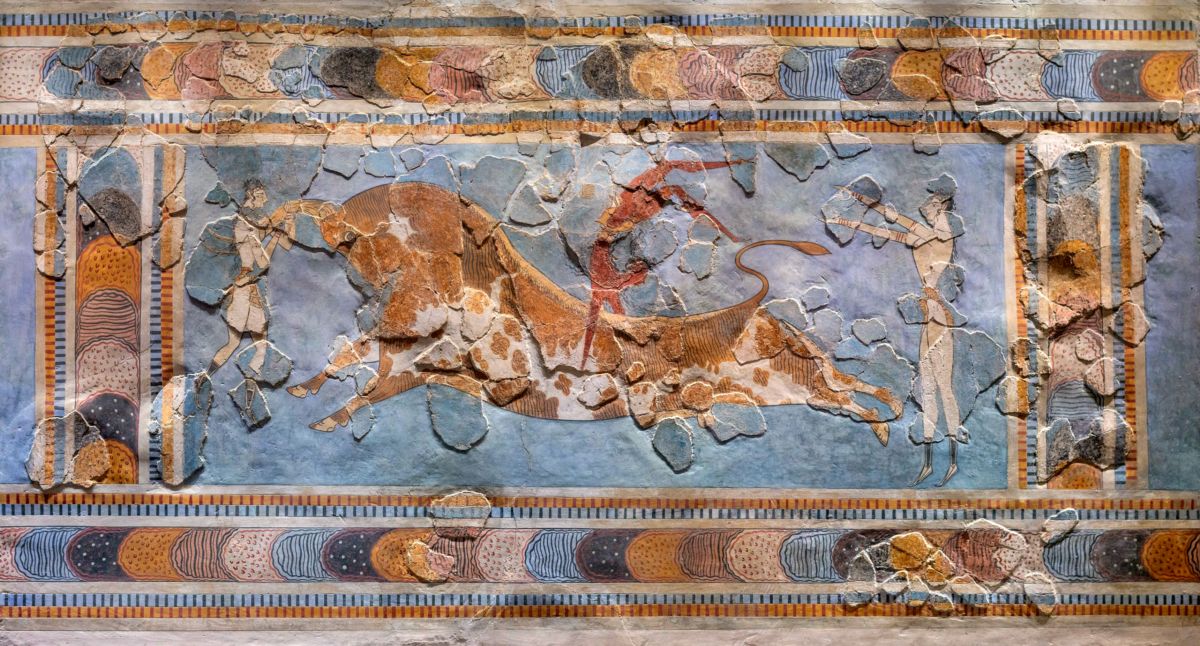
Crete has a rich history that dates back thousands of years, being the center of the Minoan civilization around 2000 BC. The island is known for its archaeological sites, particularly the Palace of Knossos, which showcases advanced architecture and art of the time.

Over the centuries, Crete has been influenced by various cultures, including the Romans, Byzantines, and Venetians. The island played a significant role during the Greek War of Independence and has a complex history that reflects its strategic importance in the Mediterranean.

Photo: Wikipedia / Wikimedia Commons