search
search
add New trip
Hungary

Hungary

HU calendar_monthApr–May, Sep–Octbest time schedule7 daysplan for child_careYeswith kids confirmation_numberMid-rangeprice flagBudapestcapital FtHungarian Forintcurrency translateHungarianlanguage
HungaryYour own route Plan a trip here →

Hungary is a captivating blend of history, culture, and natural beauty. From the vibrant streets of Budapest to the serene landscapes of the countryside, it offers a diverse experience for travelers. The thermal baths, historic architecture, and rich traditions make it a unique destination in Europe.

In pictures

Lake Balaton
Lake Balaton
Hungary
Hungary
Hungary
Hungary
Hungary
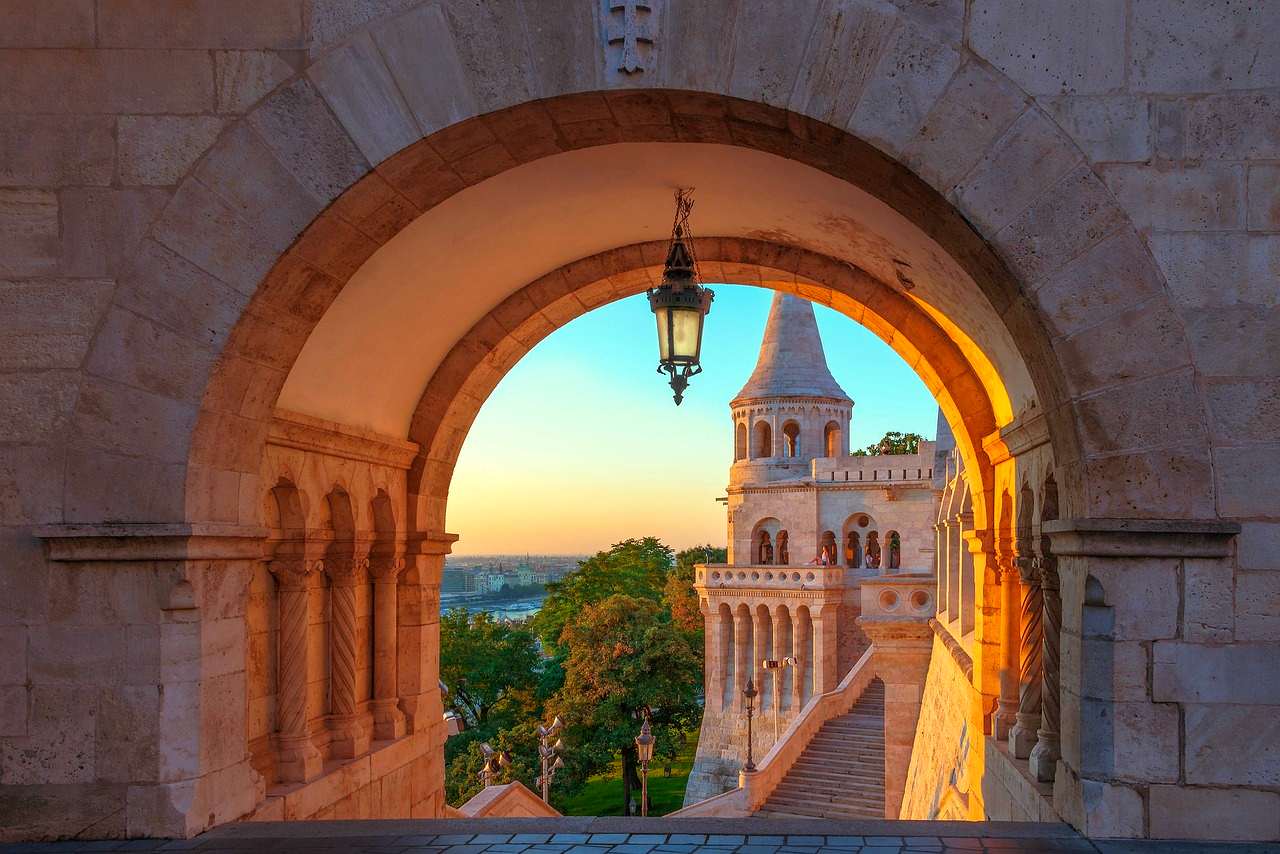
View of Budapest
View of Budapest
Hungary

Sightseeing

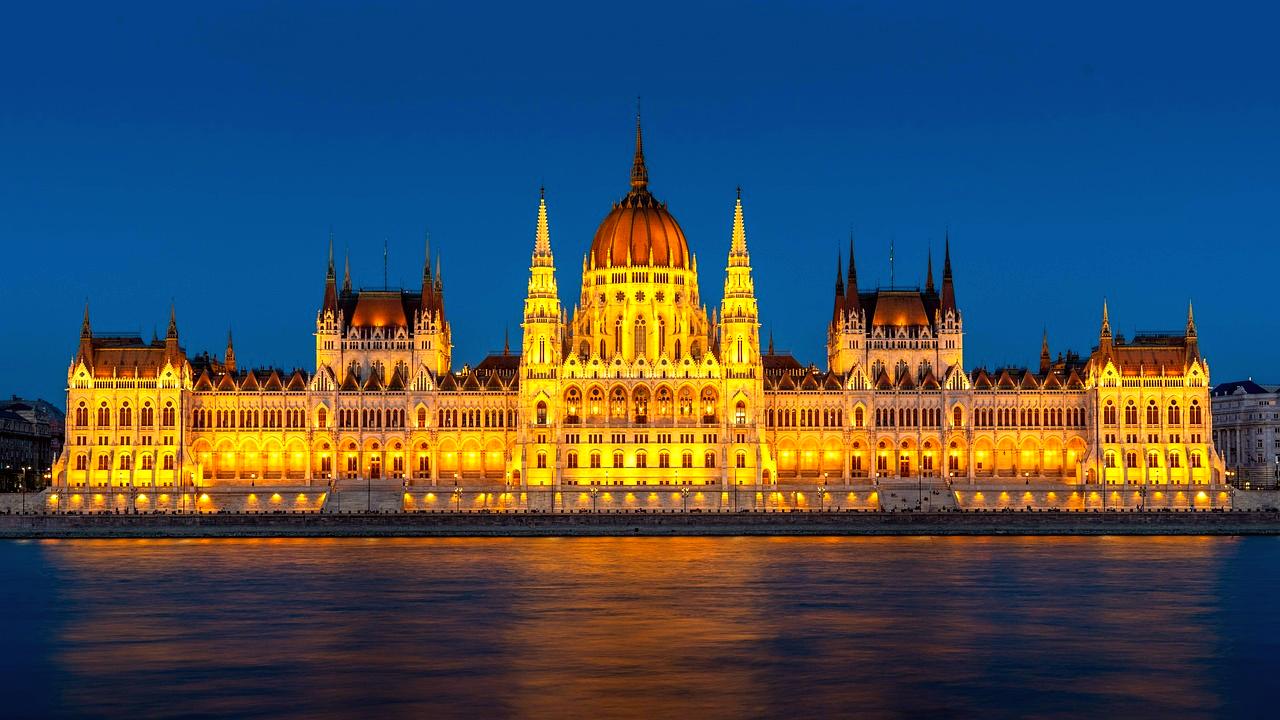
Budapest: the stunning capital known for its thermal baths and architecture
Lake Balaton: Central Europe's largest lake, perfect for relaxation and water sports
Eger: famous for its castle and red wine
Pécs: a city with a rich Roman history and vibrant arts scene
Hortobágy National Park: a UNESCO World Heritage site showcasing Hungary's plains
Szentendre: a charming town known for its art galleries and museums
Debrecen: Hungary's second-largest city with a rich cultural heritage
Visegrád: a historic town with stunning views of the Danube Bend

"Discover the heart of Europe"Hungary

Things to do

Soak in thermal baths: experience relaxation in Budapest's famous spas
Explore ruin bars: enjoy unique nightlife in creatively repurposed spaces
Visit local markets: taste fresh produce and traditional foods at Great Market Hall
Take a Danube River cruise: see the city from a different perspective
Attend a folk dance performance: immerse yourself in Hungarian culture
Hike in the Buda Hills: enjoy nature and panoramic views of the city
Sample wines in Eger: discover Hungary's wine regions and local varieties
Participate in a cooking class: learn to make traditional Hungarian dishes
Local food and drinks - Hungary

Local food and drinks

Goulash: a hearty stew, best enjoyed in local restaurants
Langos: deep-fried flatbread, a popular street food at festivals
Chimney cake: sweet pastry, perfect for a snack while exploring
Tokaji wine: a famous dessert wine, try it in Eger
Pálinka: a traditional fruit brandy, often served as a welcome drink
Dobos torte: a layered sponge cake, a must-try dessert in Budapest
Local traditions - Hungary

Local traditions

Busójárás: a unique festival in Mohács celebrating the end of winter
Folk music and dance: an integral part of Hungarian culture, often showcased at events
Easter traditions: including egg painting and festive meals
Wine festivals: celebrating local varieties throughout the year
Christmas markets: vibrant markets filled with crafts and seasonal treats

Do's and don'ts

Learn a few basic Hungarian phrases to enhance your experience
Respect local customs and traditions, especially during festivals
Try to sample local foods and drinks wherever possible
Be polite and greet locals with a smile
Take your time to explore both cities and countryside
Don't assume everyone speaks English, especially outside major cities
Don't take photos in places where it's prohibited, like some churches
Don't rush through meals; dining is often a leisurely affair
Don't forget to validate your public transport ticket before use
Don't engage in political discussions, as they can be sensitive
Lake Balaton: A summer retreat

Lake Balaton: A summer retreat

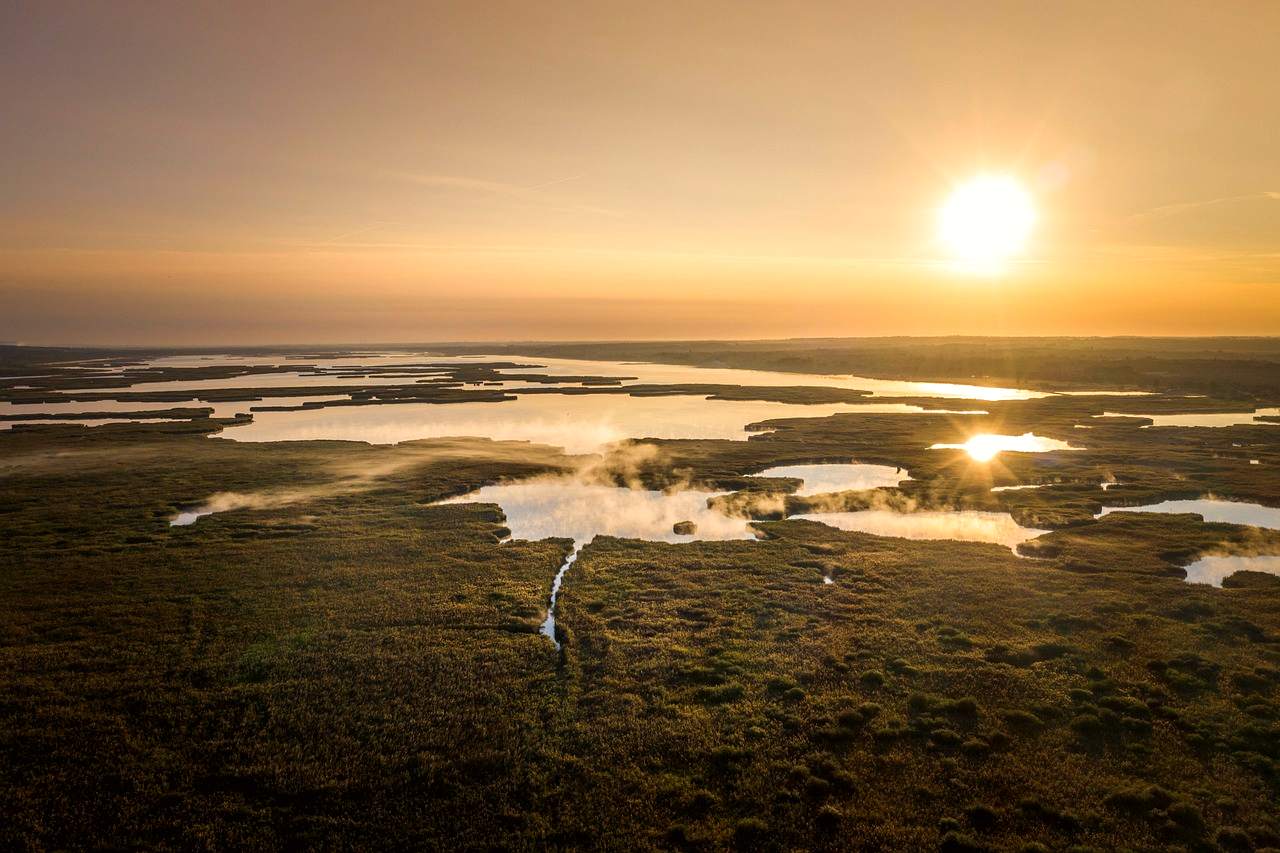
Lake Balaton is the largest lake in Central Europe, stretching over 77 kilometers. In summer, the shores come alive with families enjoying picnics and sunbathing. You can rent a paddleboat or simply relax on the grassy banks. The nearby town of Tihany offers a charming atmosphere with its lavender fields and historic abbey. However, be aware that during peak season, the area can get crowded, and accommodation prices may rise significantly. If you prefer a quieter experience, consider visiting in late spring or early autumn.

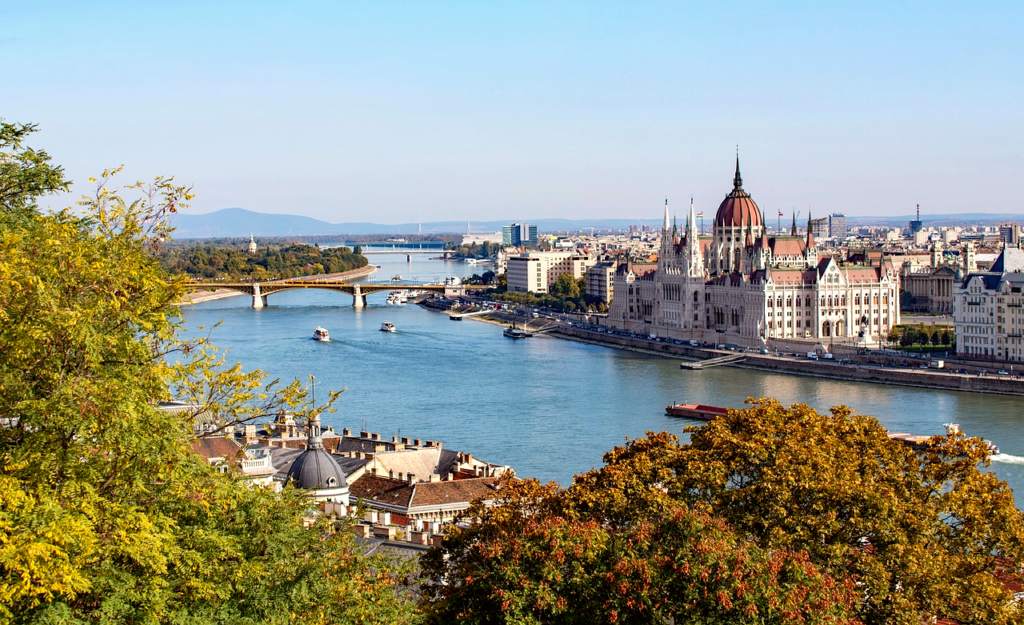
Budapest from above: A city of contrasts

Budapest from above: A city of contrasts

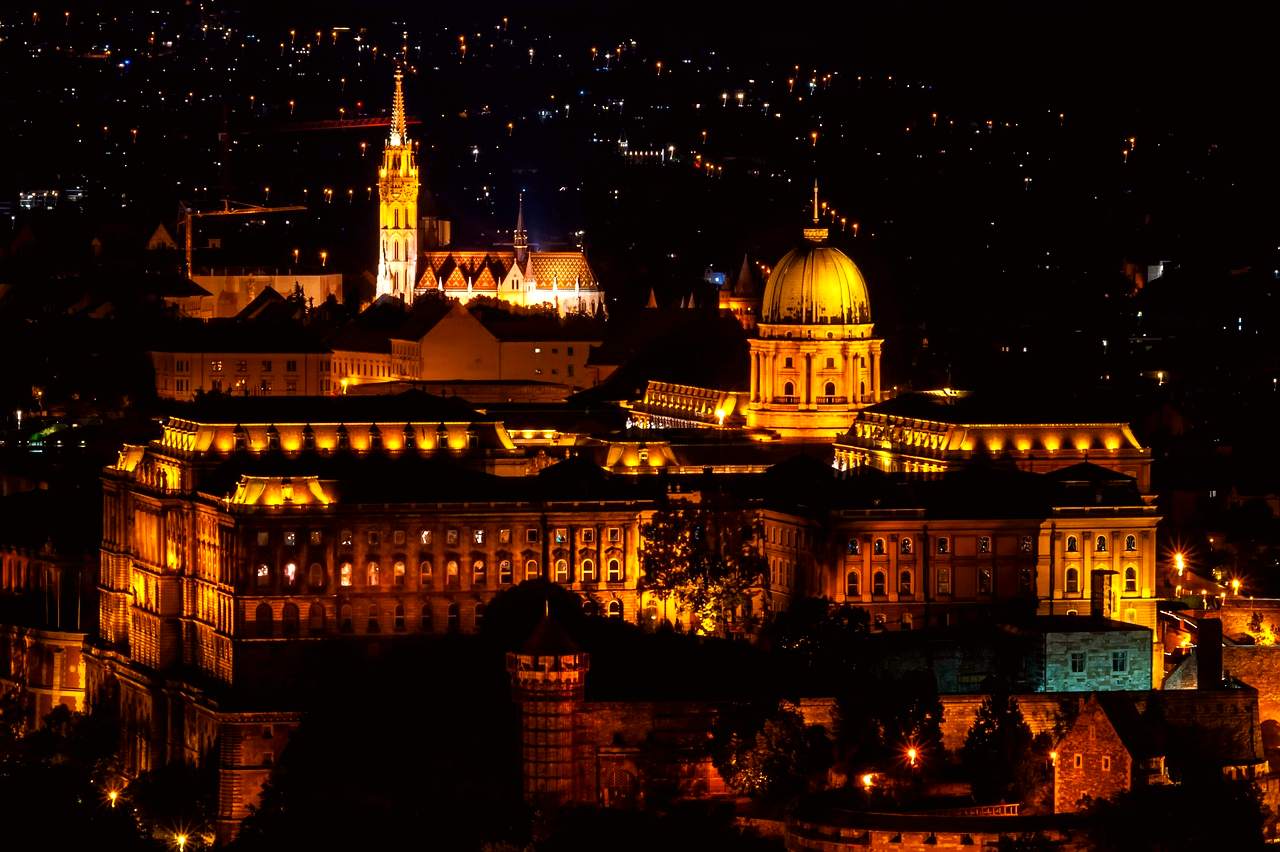
Budapest is a city of two halves, Buda and Pest, divided by the Danube River. The view from Gellért Hill offers a sweeping panorama of the Parliament building and the Chain Bridge. Explore the historic thermal baths like Széchenyi or Gellért for a relaxing experience. The nightlife in the Jewish Quarter is lively, with ruin bars like Szimpla Kert serving local craft beers. Just remember that public transport can be crowded, especially during weekends, so plan your travels accordingly.

Eger Castle: A taste of history

Eger Castle: A taste of history

Eger Castle is a significant historical site, known for its role in the 1552 siege against the Ottomans. The castle offers guided tours that provide insight into its storied past. Nearby, you can sample the famous Egri Bikavér, or Bull's Blood wine, at one of the local wineries. The town itself is charming, with Baroque architecture and cobblestone streets. However, be prepared for some steep climbs if you want to explore the castle grounds fully. Visiting during the off-peak months can enhance your experience, as the crowds are thinner.
info_outlinePracticalexpand_more
Population: 9.700.000
Best time: Spring and early autumn

About Hungary

However, navigating the language barrier can be challenging, as Hungarian is quite different from most European languages. Public transport is generally reliable, but be prepared for occasional delays and crowded conditions, especially during peak tourist seasons.

Basic information

Capital: Budapest
Language: Hungarian
Currency: Hungarian Forint
Best time to visit: Spring and early autumn

Travel information

Fly into Budapest Ferenc Liszt International Airport for international access Use public transport: trams, buses, and metro are efficient in cities Consider renting a car for exploring rural areas and national parks Credit cards are widely accepted, but carry cash for smaller vendors Free Wi-Fi is available in many public spaces, but connectivity can vary in rural areas

Things to know

Be aware of pickpockets in crowded tourist areas
Some thermal baths have specific dress codes, so check in advance
Tipping is customary, usually around 10-15% in restaurants
Public restrooms may require a small fee, so carry change
Language barriers can be significant, especially in rural areas

Good to know

Accessibility: Major cities are generally wheelchair accessible, but rural areas may pose challenges.
Price level: mid-range
history_eduHistoryexpand_more
History - Hungary

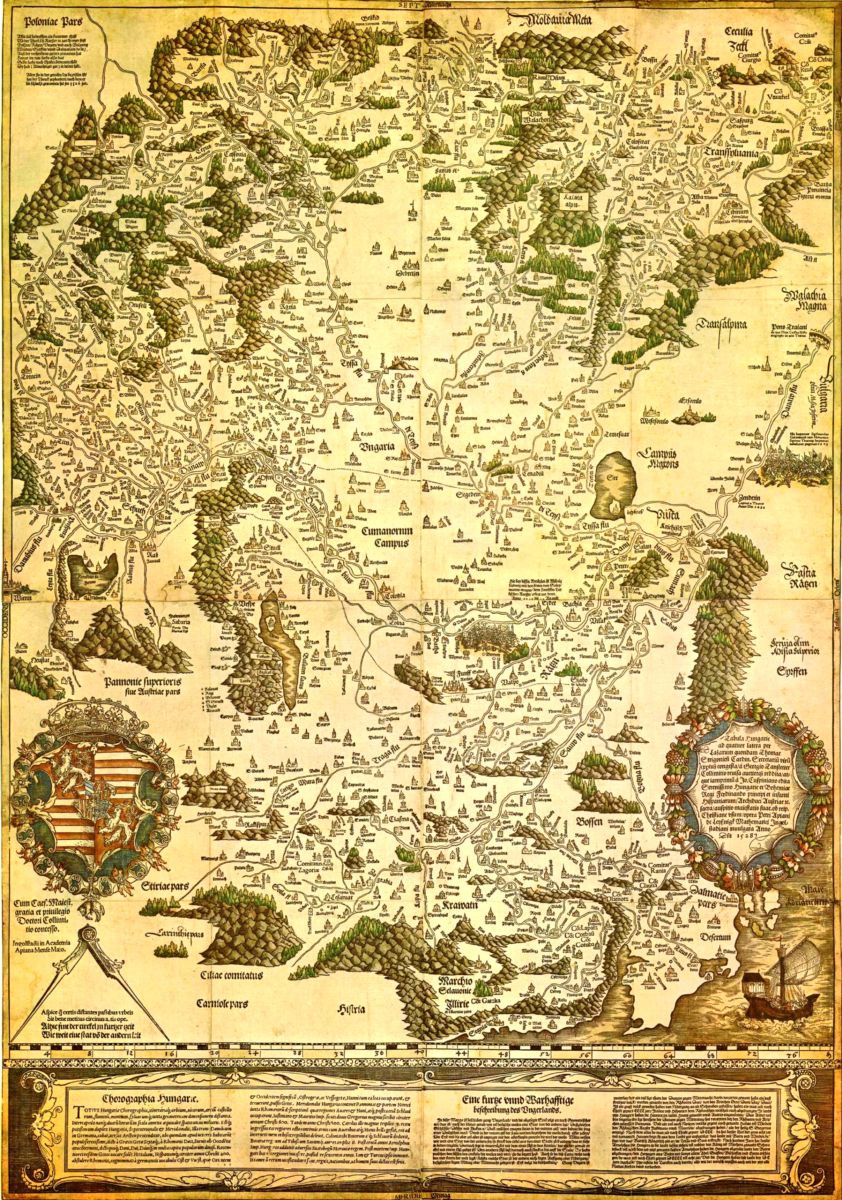
Hungary's history is marked by its strategic location in Central Europe, leading to a rich tapestry of influences from various cultures. The Kingdom of Hungary was established in the year 1000, and it flourished during the Middle Ages, becoming a significant power in the region.

The Ottoman conquest in the 16th century and later Habsburg rule shaped its modern identity. After World War I, Hungary lost significant territory, leading to a tumultuous 20th century, including World War II and the 1956 revolution against Soviet control. Today, Hungary is a proud member of the European Union, balancing its rich heritage with modern aspirations.

Photo: Wikipedia / Wikimedia Commons