Sunset views from the Samuel Beckett Bridge
The Samuel Beckett Bridge is a striking piece of architecture that spans the River Liffey. As the sun sets, the bridge lights up, creating a beautiful reflection on the water. This area is perfect for a leisurely stroll, with plenty of benches to sit and take in the view. You can watch boats glide by and see locals enjoying the riverside. Just be aware that it can get busy during the evening, especially on weekends. Bring your camera, as the changing light offers great photo opportunities.
Modern architecture at the Convention Centre
The Convention Centre Dublin stands out with its unique design and glass façade. It hosts various events throughout the year, from conferences to exhibitions. Even if you are not attending an event, the area around the centre is worth exploring. You can find cafes and restaurants nearby, perfect for a quick bite. However, keep in mind that parking can be limited, and public transport is a better option if you want to avoid the hassle. The centre is also close to the river, making it easy to combine a visit with a walk along the Liffey.
Trinity College's historic charm
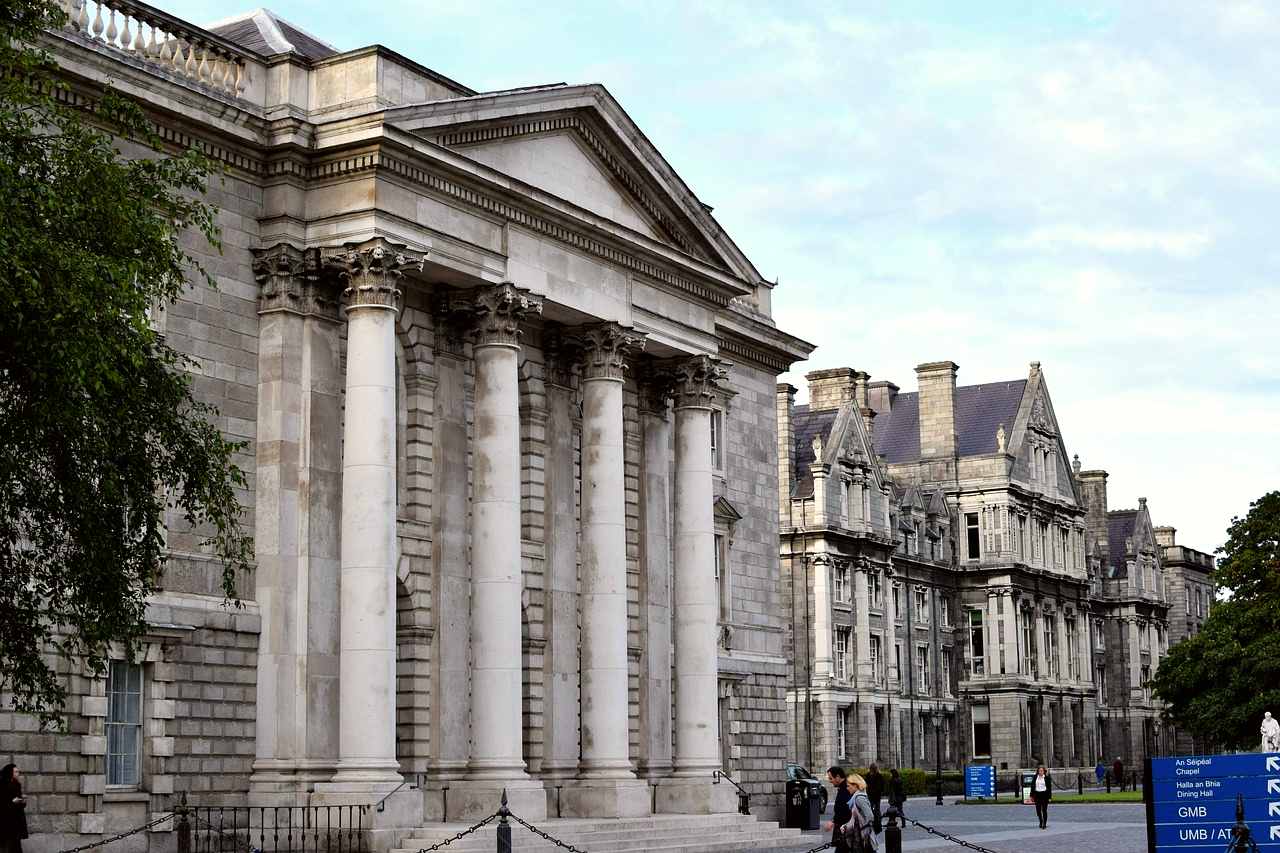
Trinity College Dublin is home to the famous Book of Kells and offers a glimpse into Ireland's literary past. The campus is filled with cobblestone paths and historic buildings, making it a pleasant place to wander. The Long Room in the Old Library is particularly impressive, lined with thousands of ancient books. Admission fees apply, and it can be crowded during peak tourist season. Arriving early in the morning or later in the afternoon can help you avoid the largest crowds. Don't forget to check out the college's gift shop for unique souvenirs.