search
search
add Neue Reise
Civitavecchia
ReisezieleItalienLazio

Civitavecchia

Bevölkerung: 52.000 Seit: Founded around 200 BC Preis: Mid-range

Einführung

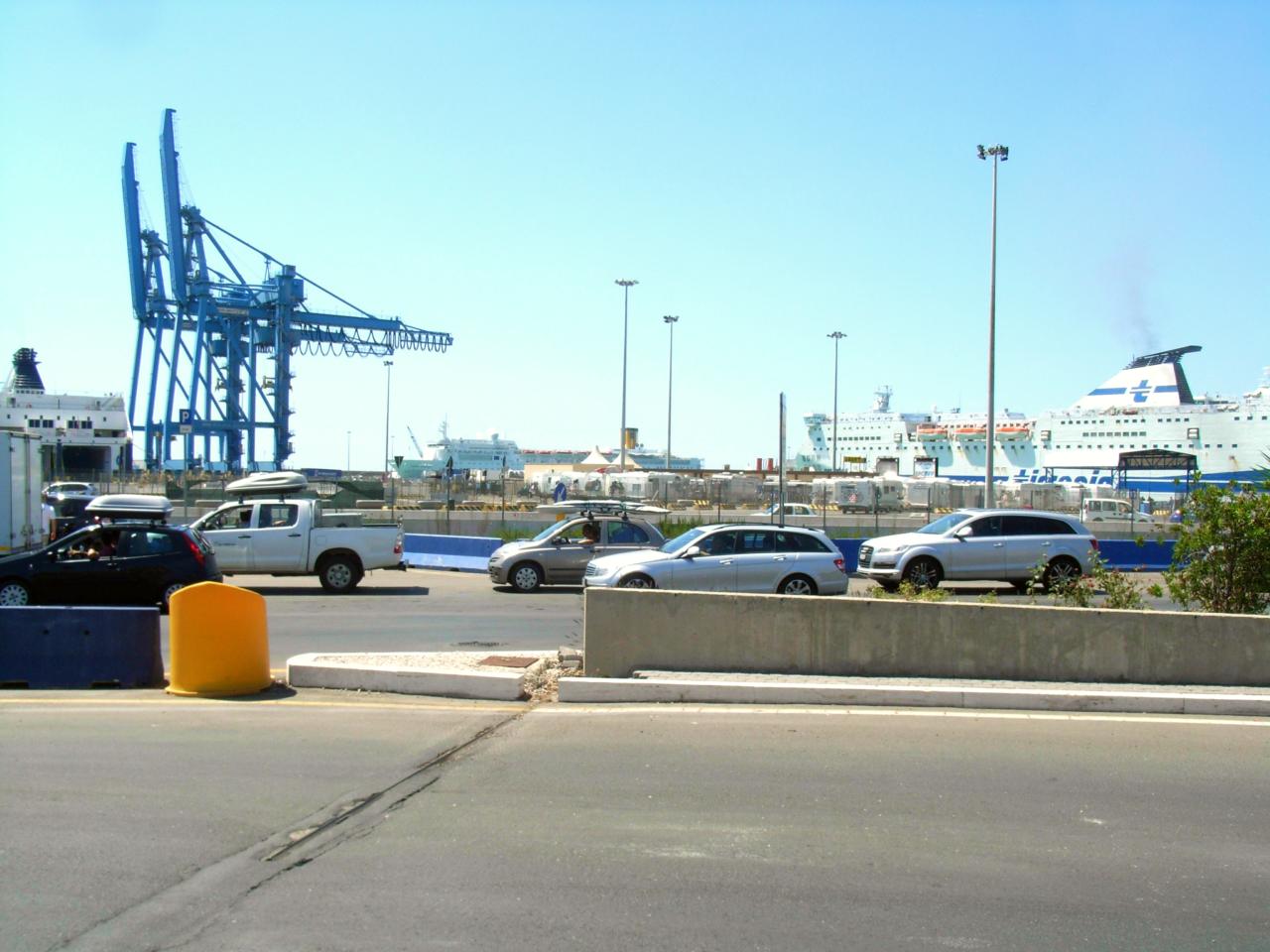
Civitavecchia is a coastal city in Italy that serves as a gateway to Rome. The harbor is the focal point, with ferries and cruise ships coming and going, creating a lively atmosphere. The streets are lined with restaurants and shops, making it a pleasant place to explore on foot.

Visitors can enjoy the mix of history and modern life. The ancient ruins and thermal baths nearby offer a glimpse into the past, while the local eateries provide a taste of authentic Italian cuisine. The city is not overly touristy, allowing for a more genuine experience.

Sightseeing

National Archaeological Museum: Features artifacts from the Roman port and nearby thermal baths.
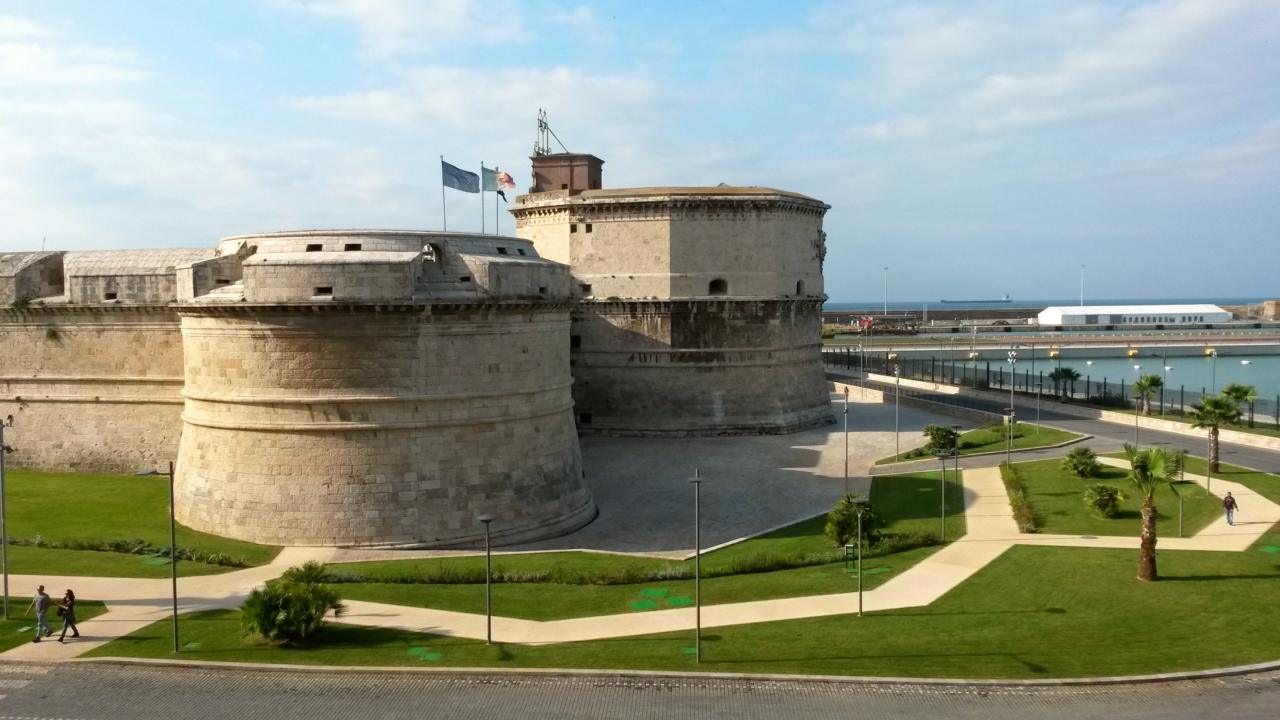
Michelangelo Fortress: A 16th-century fortress designed with input from Michelangelo.
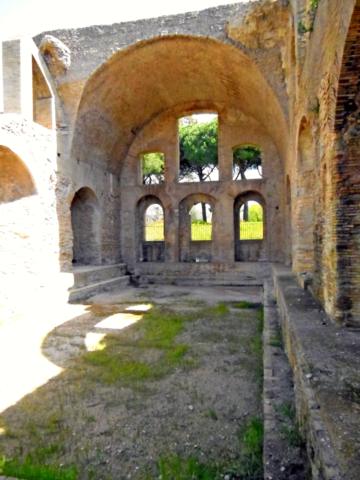
Terme Taurine: Well-preserved thermal complex built by Emperor Trajan, located a short walk from the harbor.

"Gateway to Rome and Beyond"Civitavecchia

Aktivitäten

Stroll along the waterfront: Enjoy the sea breeze and watch the boats.
Visit the local markets: Experience the daily life and find fresh produce.
Relax at the beach: Spend a day soaking up the sun at nearby beaches.
Explore the historical center: Discover charming streets and local shops.
Lokales Essen und Trinken - Civitavecchia

Lokales Essen und Trinken

Pizzeria al Ghetto: Known for its simple menu of margarita and anchovy pizzas.
Ristorante Stuzzichino: Offers traditional Italian dishes in a cozy setting.
Local wine bars: Sample regional wines and enjoy small plates.
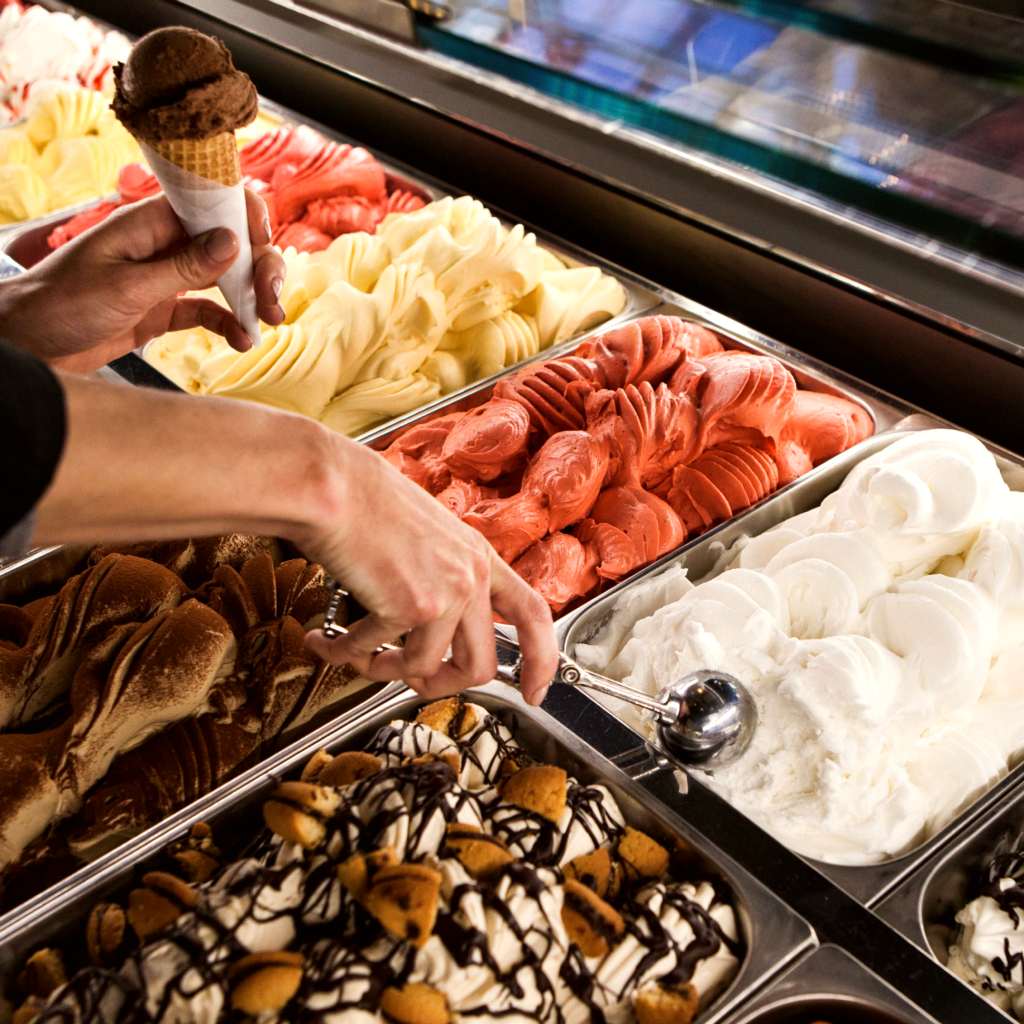
Gelateria: Try authentic Italian gelato from various shops around town.
Lokale Traditionen - Civitavecchia

Lokale Traditionen

Festa di Santa Fermina: Celebrated in May with processions and local festivities.
Civitavecchia Carnival: A lively event featuring parades and costumes, usually in February.
Local fish markets: A tradition where fresh catches are sold daily, reflecting the city's maritime culture.

Geschichte

Civitavecchia has a rich history dating back to ancient Rome, originally serving as a vital port. The city was known as Centumcellae and played a significant role in maritime trade and military operations. Over the centuries, it faced various invasions and was rebuilt multiple times, with notable contributions from figures like Pope Gregory XIII. The remnants of its past can still be seen in the architecture and archaeological sites.

Wissenswertes

Be cautious of pickpockets in crowded areas, especially near the port.
Public transport can be limited on weekends, so plan accordingly.
Some restaurants may close early, so check hours before heading out.
The harbor area can be busy, especially during cruise ship arrivals.

Do's und Don'ts

Try local seafood dishes at waterfront restaurants.
Visit the archaeological sites early in the day to avoid crowds.
Engage with locals to learn about their traditions.
Take a ferry to nearby islands for a day trip.
Don't rush through the city; take your time to explore.
Don't ignore the local dining options; they offer authentic experiences.
Don't rely solely on taxis; public transport is often more convenient.
Don't forget to bring cash, as some places may not accept cards.

Gut zu wissen

Barrierefreiheit: The city has some accessible areas, but uneven surfaces exist.
Price level: mid-range

Foto: Wikipedia / Wikimedia Commons