search
search
add New trip
Italy

Italy

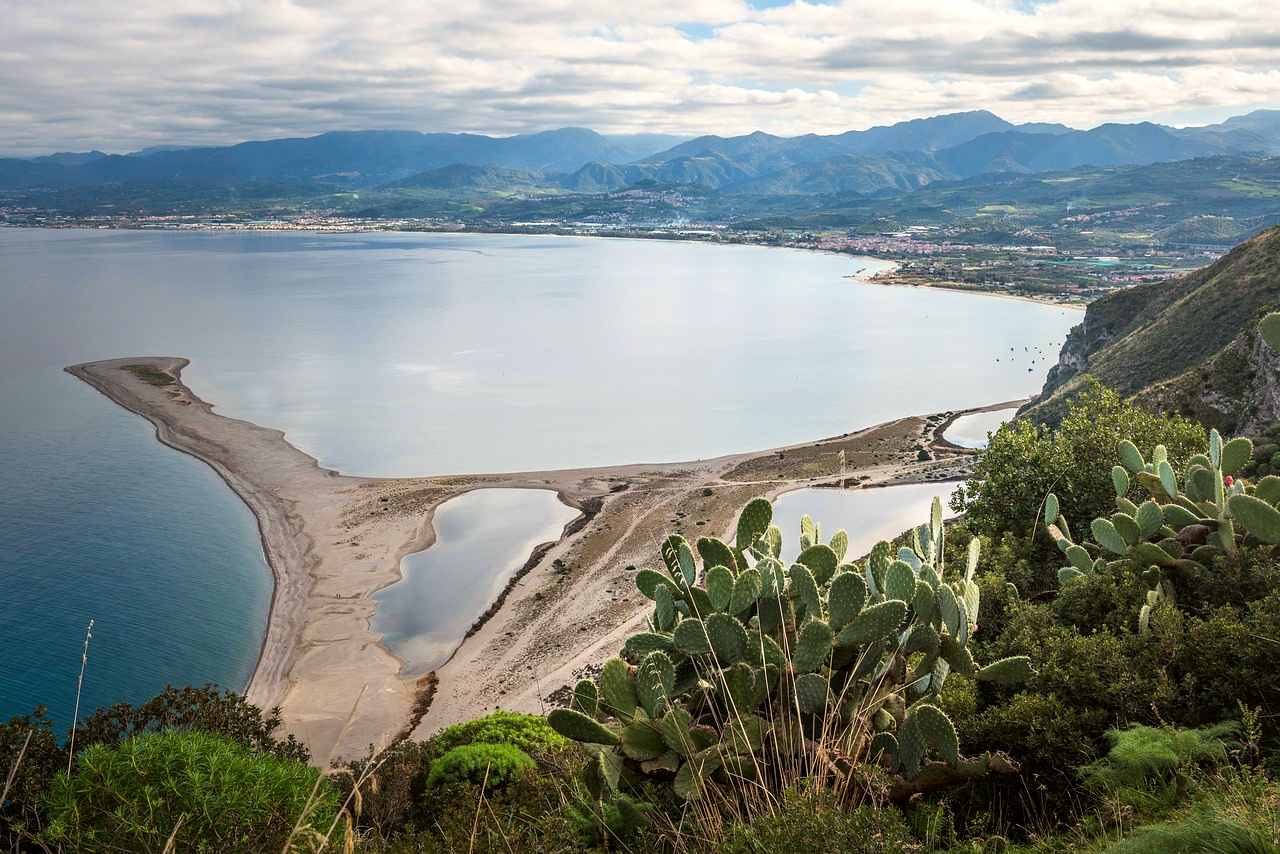
garten-gg · Pixabay
garten-gg · Pixabay
IT calendar_monthApr–May, Sep–Octbest time schedule10 daysplan for child_careYeswith kids flagRomecapital €Eurocurrency translateItalianlanguage
ItalyYour own route Plan a trip here →

Italy is a captivating blend of history, art, and culinary delights. From the romantic canals of Venice to the ancient ruins of Rome, every corner offers a unique experience that feels both timeless and vibrant. The diverse landscapes, from the rolling hills of Tuscany to the stunning Amalfi Coast, invite exploration and adventure.

Read more

However, be prepared for crowds, especially in popular tourist spots. The pace of life can be leisurely, which might be frustrating for those used to a faster rhythm. Understanding local customs and etiquette will enhance your experience, making your journey through this enchanting country even more rewarding.

In pictures

Italy France58 · Pixabay
Italy Miller Eszter · Pixabay

Sightseeing

Colosseum: iconic ancient amphitheater in Rome
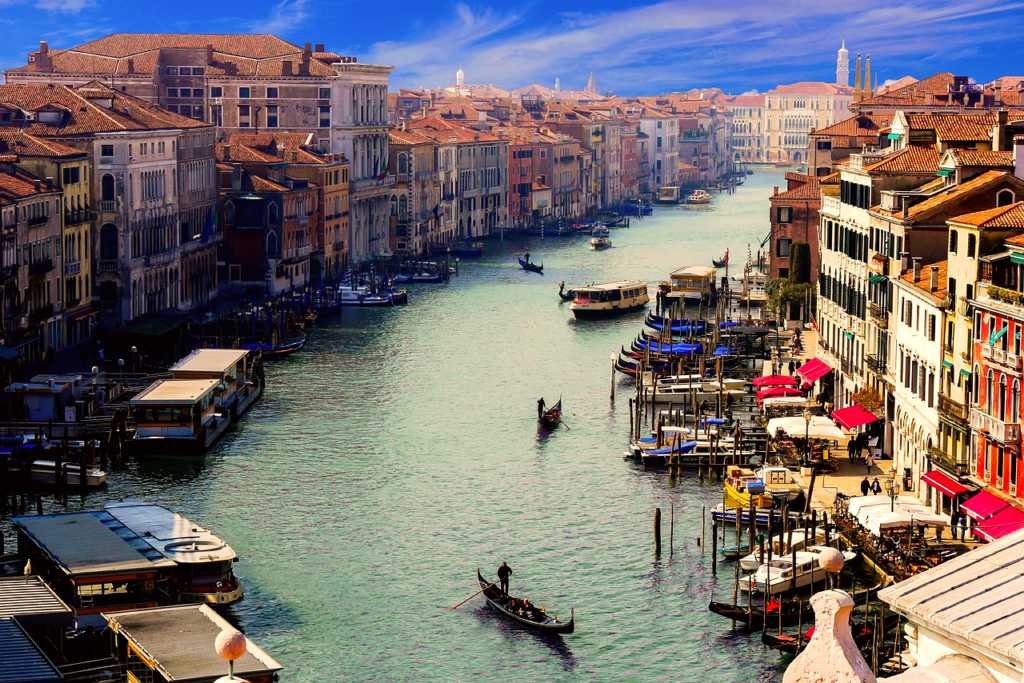
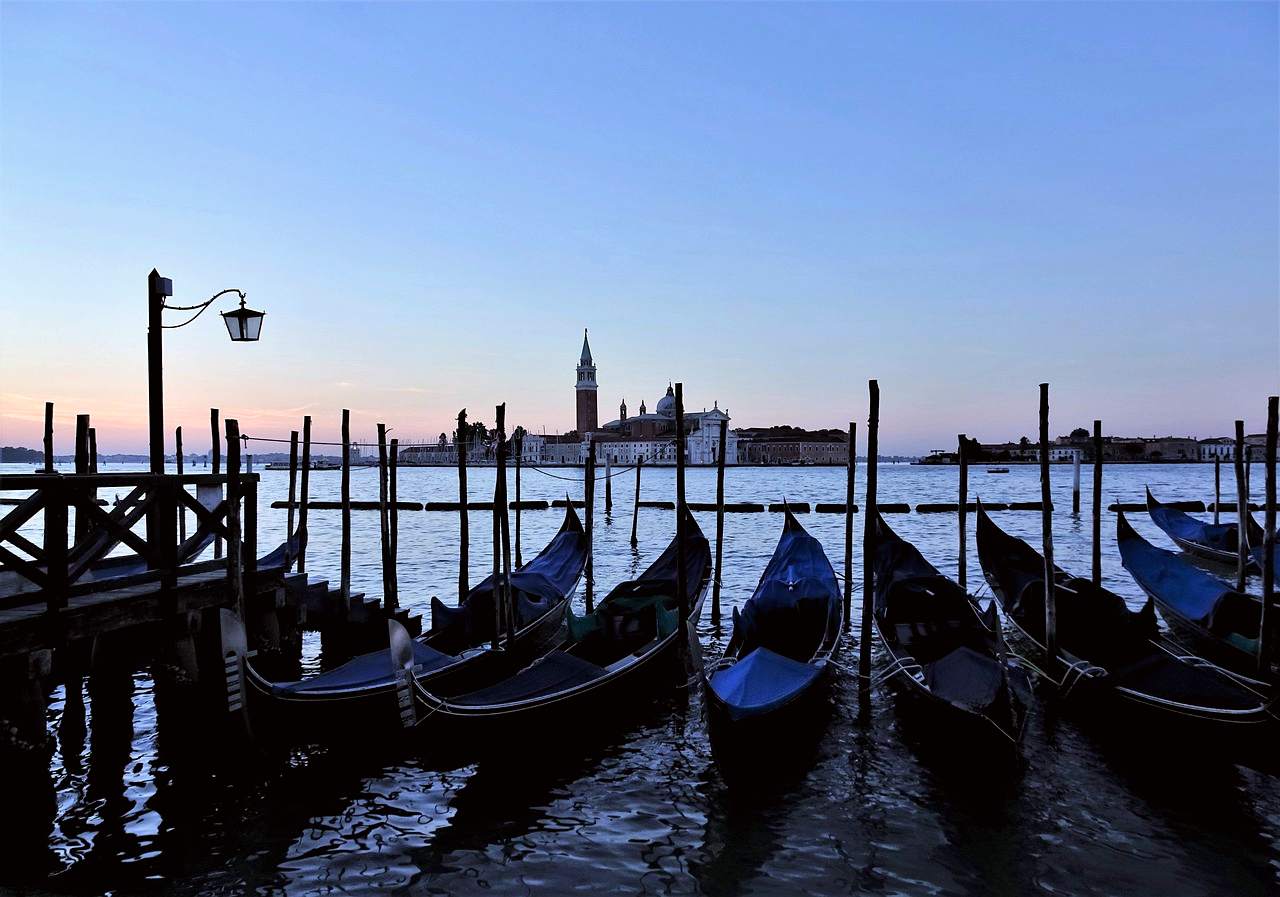
Venice Canals: picturesque waterways and gondola rides
Leaning Tower of Pisa: famous tilted bell tower
Florence Cathedral: stunning Renaissance architecture
Amalfi Coast: breathtaking coastal scenery
Pompeii: preserved ancient city frozen in time
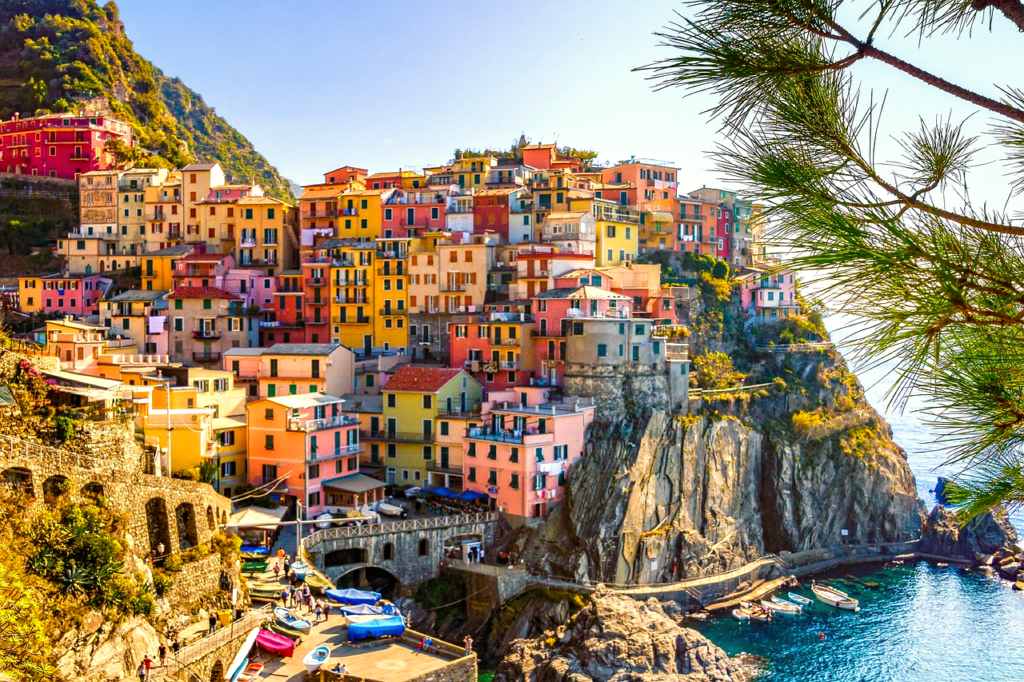
Cinque Terre: colorful cliffside villages
Vatican City: the smallest independent state with rich art

"Experience the heart of culture and cuisine"Italy

Things to do

Explore ancient ruins: delve into Rome's history
Take a cooking class: learn to make pasta in Tuscany
Visit art galleries: admire masterpieces in Florence
Go wine tasting: savor Chianti in the vineyards
Relax at a piazza: enjoy people-watching in local squares
Hike the Dolomites: experience stunning mountain views
Cruise the Amalfi Coast: see breathtaking coastal landscapes
Attend a local festival: immerse in Italian culture

Local food and drinks

Pizza Napoletana: traditional pizza from Naples, best enjoyed fresh
Pasta Carbonara: creamy pasta dish from Rome, a must-try
Gelato: Italian ice cream, perfect for a hot day
Risotto alla Milanese: saffron-infused rice dish from Milan
Aperol Spritz: refreshing cocktail, ideal for aperitivo hour
Tiramisu: classic dessert, best found in local trattorias

Local traditions

La Befana: Epiphany celebration with a witch bringing gifts
Carnival of Venice: elaborate masks and costumes in February
Palio di Siena: historic horse race held twice a year
Festa della Repubblica: national holiday on June 2nd
Ferragosto: August holiday celebrating summer with feasts

Do's and don'ts

Try local specialties: indulge in regional cuisine
Learn a few Italian phrases: locals appreciate the effort
Respect meal times: lunch and dinner are social events
Participate in local customs: join festivals and traditions
Be patient: service may be slower than expected
Don't rush through meals: savor the experience
Don't assume everyone speaks English: be prepared to communicate
Don't wear beach attire in cities: dress appropriately
Don't take photos in churches without permission: respect sacred spaces
Don't forget to validate train tickets: avoid fines

Experience Venice from the Grand Canal

The Grand Canal in Venice is more than just a waterway; it is the city's lifeblood. Take a vaporetto ride to soak in the views of the ornate buildings lining the canal. Stop by the Chiesa della Salute, a baroque church that stands as a testament to Venice's rich history. The best time to visit is early morning or late afternoon when the light casts a warm glow on the water. Be prepared for crowds, especially near popular landmarks. A stroll along the narrow streets can lead to quieter corners where you can enjoy a gelato or a coffee.

Florence's Duomo: A masterpiece of architecture

Santa Maria del Fiore, known as the Duomo, dominates Florence's skyline. Climb the 463 steps to the top of the dome for a panoramic view of the city. The intricate details of the cathedral's façade are worth admiring up close. Florence can be busy, particularly in summer, so consider visiting in the shoulder seasons of spring or fall for a more relaxed experience. Don't miss the nearby Mercato Centrale for a taste of local Tuscan cuisine, including ribollita and lampredotto.

Drive along the scenic Amalfi Coast

The Amalfi Coast is famous for its dramatic cliffs and picturesque villages. The drive along the coast offers breathtaking views of the Mediterranean Sea. Stop in Positano for its colorful houses and narrow streets filled with boutiques. Be cautious while driving, as the roads can be narrow and winding. If you prefer a more leisurely pace, consider taking a ferry between towns. Enjoy local seafood dishes, especially the fresh catch of the day, at one of the seaside restaurants.

Practical

At a glance

Population
60.000.000
Best time
April to June, September to October

Basic information

Capital: Rome
Language: Italian
Currency: Euro
Best time to visit: April to June, September to October

Travel information

Fly into major airports: Rome, Milan, and Venice are key hubs. Use trains for intercity travel: they are efficient and scenic, especially the high-speed trains. Rent a car for rural areas: this is the best way to explore Tuscany and the Amalfi Coast. Public transport is reliable: buses and metros operate frequently in cities. Credit cards are widely accepted: however, cash is still useful in small towns and markets.

Things to know

Expect pickpockets in crowded areas: stay vigilant.
Some shops close for a few hours in the afternoon: plan accordingly.
Tipping is appreciated but not mandatory: rounding up the bill is common.
Dress modestly when visiting churches: cover shoulders and knees.
Language barriers may exist: learning basic Italian phrases can enhance your experience.
history_eduHistoryexpand_more

Italy's history is rich and complex, dating back to ancient Rome, which laid the foundations for modern civilization. The Roman Empire's influence spread across Europe, leaving a legacy of architecture, law, and culture that still resonates today. After the fall of Rome, Italy fragmented into various kingdoms and city-states, each contributing to the country's diverse heritage.

The Renaissance, beginning in the 14th century, marked a period of immense cultural revival, with figures like Leonardo da Vinci and Michelangelo shaping art and science. Italy unified in the 19th century, but the scars of World War II and political turmoil have shaped its modern identity. Today, Italy stands as a testament to resilience and creativity.

Photo: garten-gg · Pixabay Content License · Pixabay

Photo credits (2)