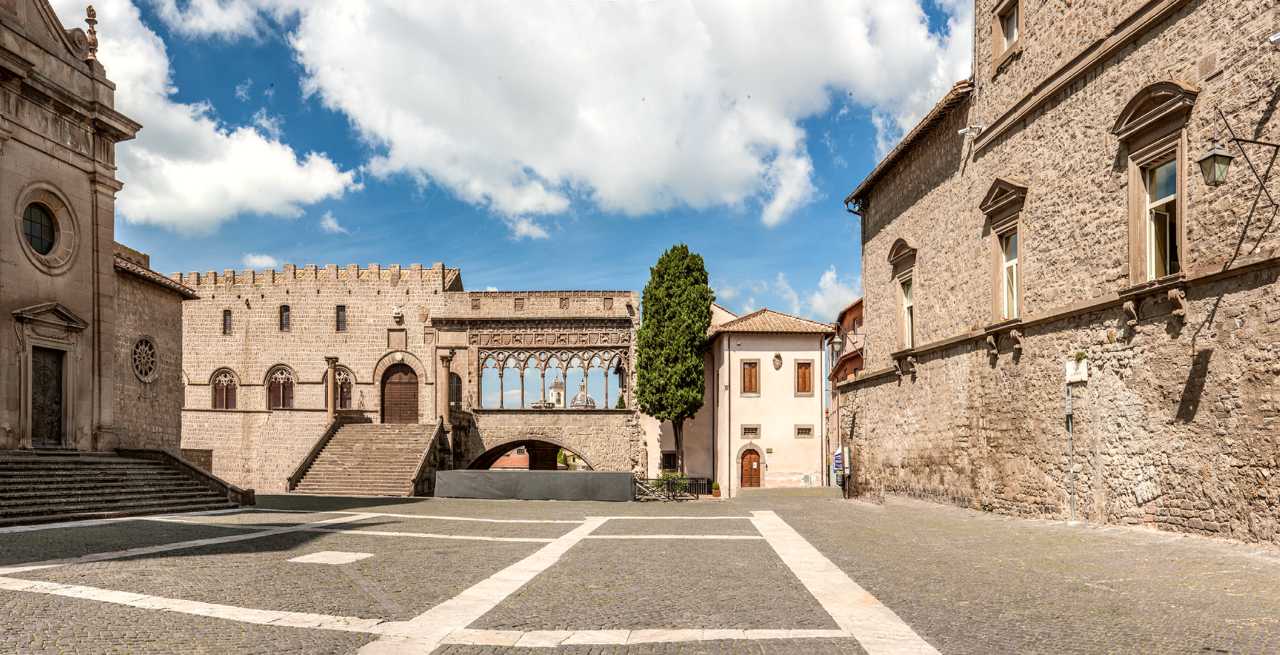
Viterbo
This concerns Italy as a whole. Check official travel advisories before you go. Details
From GDACS, the disaster alert system of the UN and the EU.
Viterbo offers a mix of medieval charm and historical significance. Its narrow streets are lined with stone buildings, and the remnants of its papal past are evident throughout the city.
Read more
Visitors can explore ancient architecture and enjoy the local thermal springs. The atmosphere is relaxed, making it easy to wander and discover local shops and eateries.
Highlights
Etruscan Ruins
Explore ancient Etruscan sites nearby.
Palazzo dei Papi
Former papal residence with rich history.
Thermal Springs
Natural hot springs popular since Roman times.
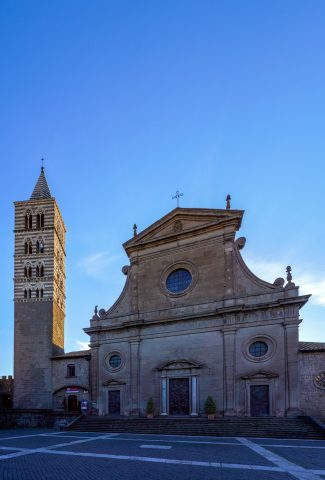
Viterbo Cathedral
Historic cathedral with papal tombs.
Sightseeing
Things to do

Local food and drinks
Local traditions
Do's and don'ts
Practical
At a glance
- Founded
- 800 BC
- Population
- 65.000
- Accessibility
- Some areas are walkable, but cobblestones can be challenging.
- Price level
- Mid-range
Things to know
History
Viterbo's origins trace back to Etruscan times, making it one of Italy's oldest cities. During the 12th to 13th centuries, it flourished as a significant political and religious center, housing popes and their courts. The city's importance waned after the papacy moved to Avignon, and it faced challenges like the Black Death and earthquakes. Despite these setbacks, Viterbo retains much of its historical character.
Photo: Wikipedia / Wikimedia Commons