search
search
add New trip

Limburg

NL calendar_monthApr–Jun, Sep–Octbest time schedule5 daysplan for child_careYeswith kids
LimburgYour own route Plan a trip here →

Limburg offers a unique blend of Dutch and Belgian cultures, with rolling hills and picturesque villages. The region is known for its rich history, vibrant local markets, and scenic cycling routes along the Meuse River.

Read more

Visitors can explore charming towns like Maastricht, famous for its medieval architecture and lively squares. The region's diverse landscapes provide opportunities for hiking and enjoying local wines, especially in the southern areas where vineyards thrive.
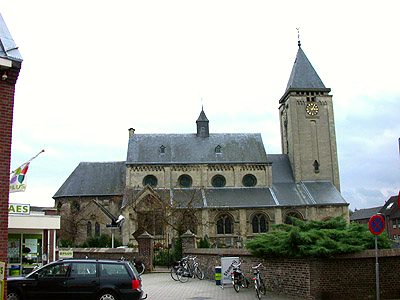
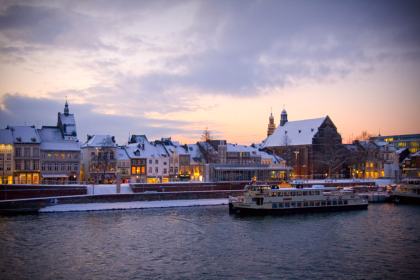
Sightseeing
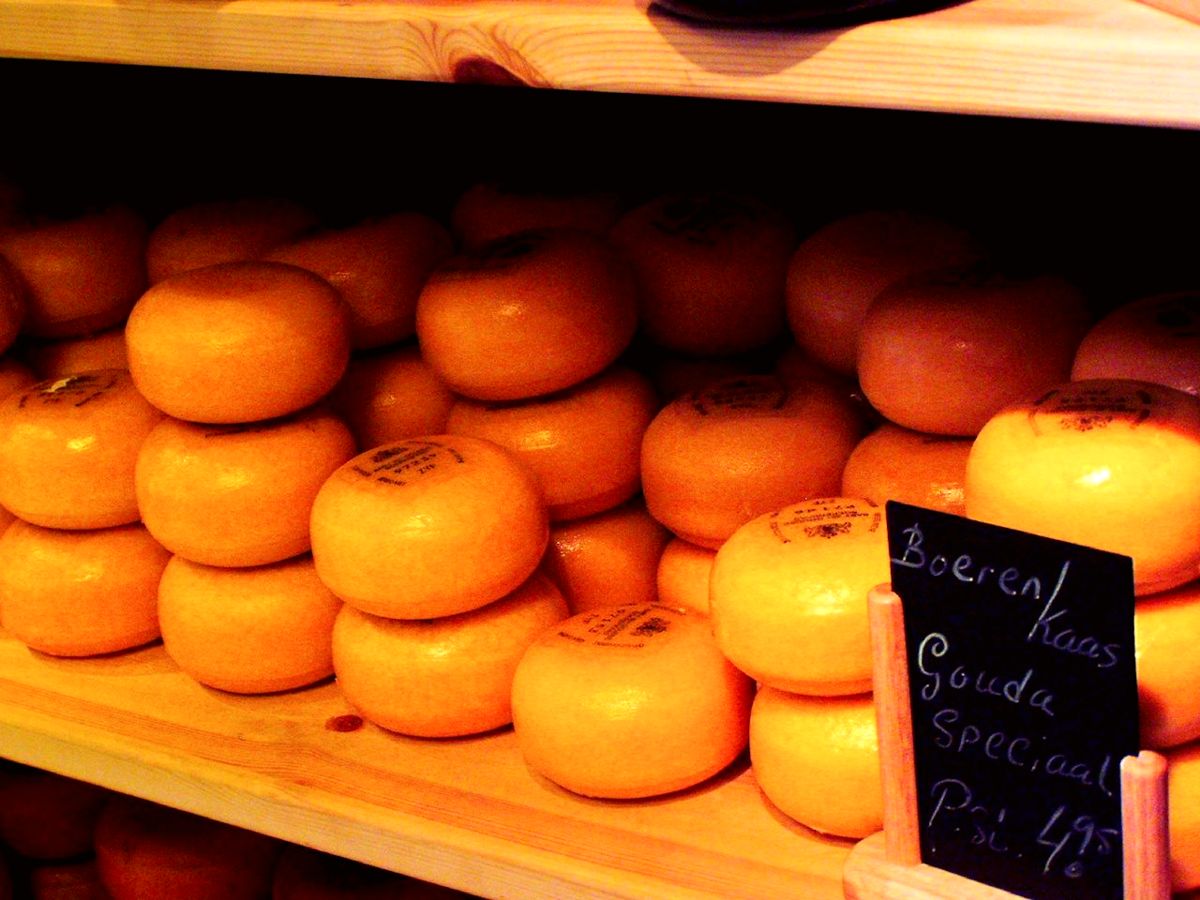
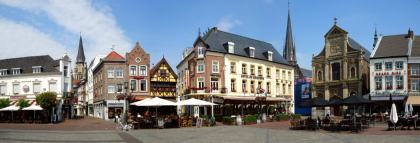
Maastricht: explore the historic city center and the Vrijthof square
Valkenburg: visit the famous castle ruins and underground caves
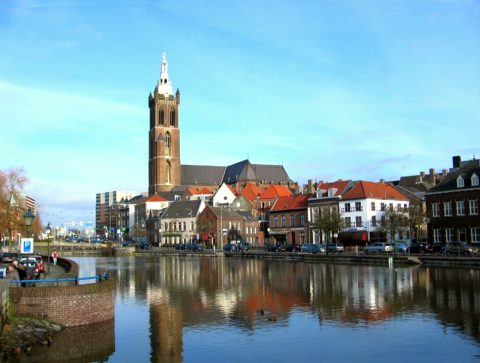
Roermond: shop at the Designer Outlet and stroll along the Roer River
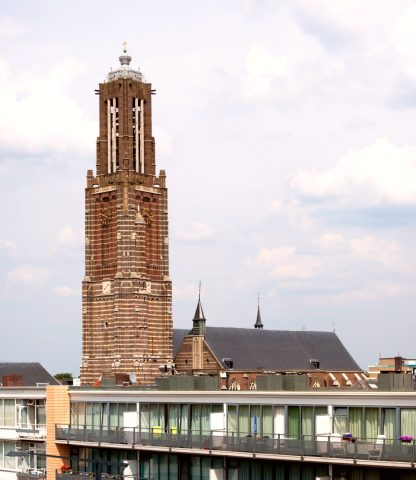
Weert: enjoy the green parks and local art galleries
Sittard: discover the charming old town and its annual carnival
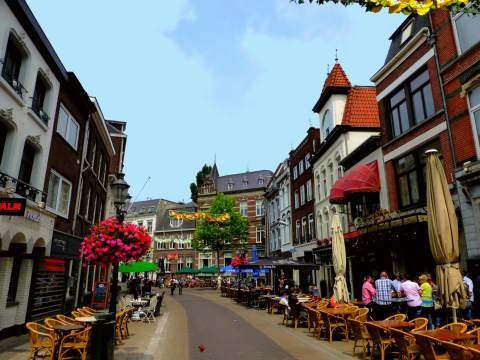
Venlo: experience the lively market and the Maasboulevard
Echt-Susteren: see the historic abbey and beautiful countryside
Blerick: take in views of the river and nearby nature reserves

"A blend of cultures and landscapes"Limburg

Local food and drinks - Limburg

Local food and drinks

Limburgse vlaai: a traditional fruit pie, often with cherries or apricots
Zuurvlees: a sweet and sour meat dish, typically served with fries
Kruidkoek: a spiced cake, popular for snacks or dessert
Limburg beer: local breweries produce a variety of craft beers
Asperges: white asparagus, especially popular in spring months
Local traditions - Limburg

Local traditions

Carnival: a lively celebration with parades and costumes in February
Kermis: local fairs featuring rides, games, and food stalls
Limburgse Fiets4Daagse: a four-day cycling event in June
Sinterklaas: festive celebrations in December with parades and gifts

Practical

At a glance

Best time
April to October
history_eduHistoryexpand_more

Limburg has a rich history influenced by various cultures, including the Romans and the Franks. The region was part of the Duchy of Limburg in the Middle Ages, which played a significant role in trade and politics in Europe.

In the 19th century, Limburg became part of the Netherlands after the Belgian Revolution. The region has since developed a unique identity, blending Dutch and Belgian traditions, which is evident in its architecture, cuisine, and festivals.