search
search
add New trip
Nommern

Nommern

Population: 2.500 Since: Settled in the medieval reclamation era Price: Mid-range

Introduction

Nommern is a small place in North Holland, the kind of spot you reach between other stops rather than as a headline. Flat land, wide sky, cyclists on the dyke roads, and the smell of cut grass in late spring. It is quiet in the best sense.

Don't expect crowds or big museums. A visitor here comes for the water, the polder light, and a slow lunch. Half a day covers the centre easily, and the rest of your time belongs to the paths that run out toward the fields.

Sightseeing

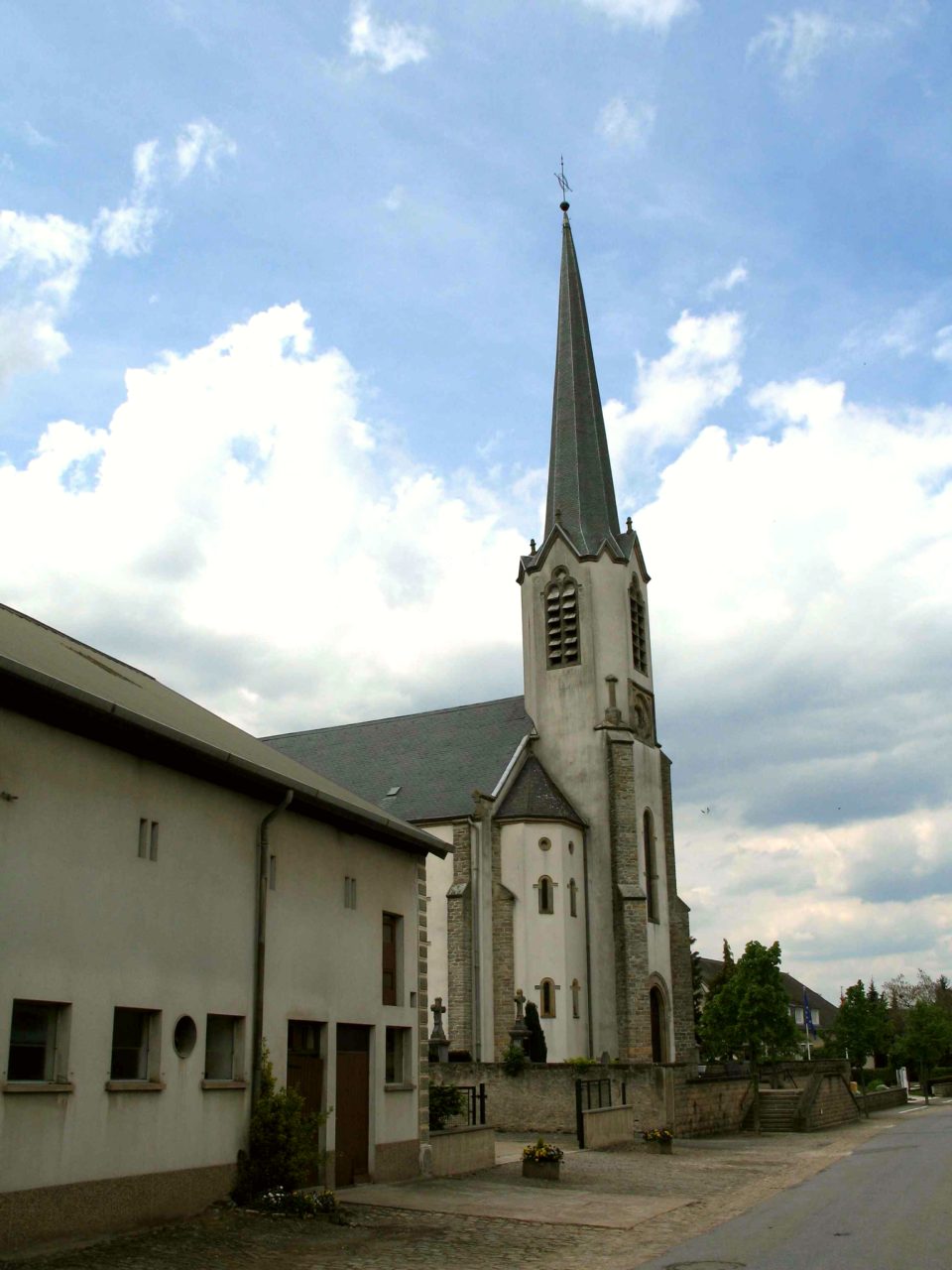
Village church: Brick tower visible across the polder, small and worn.
Old canal harbour: A few moored boats and a swing bridge worth waiting to see open.
The dyke walk: Raised path with long views over grazing land.
Windmill remnant: What is left of the local mill, more marker than monument.

"Polder quiet, wide skies, slow days"Nommern

Things to do

Cycle the polder loop: Rent a bike and ride the flat lanes past the fields.
Canoe the side canals: Calm water, easy going, best on a windless morning.
Birdwatching at dawn: Lapwings and geese gather in the wet meadows.
Weekend market: Small stalls with cheese, bread and flowers on Saturdays.
Cafe stop by the bridge: Sit outside and watch the boats pass.
Local food and drinks - Nommern

Local food and drinks

Boerenkaas: Farm cheese sold at the market, aged and mild versions both.
Erwtensoep: Thick pea soup served in the colder months.
Appeltaart: Dutch apple cake, best with coffee mid-afternoon.
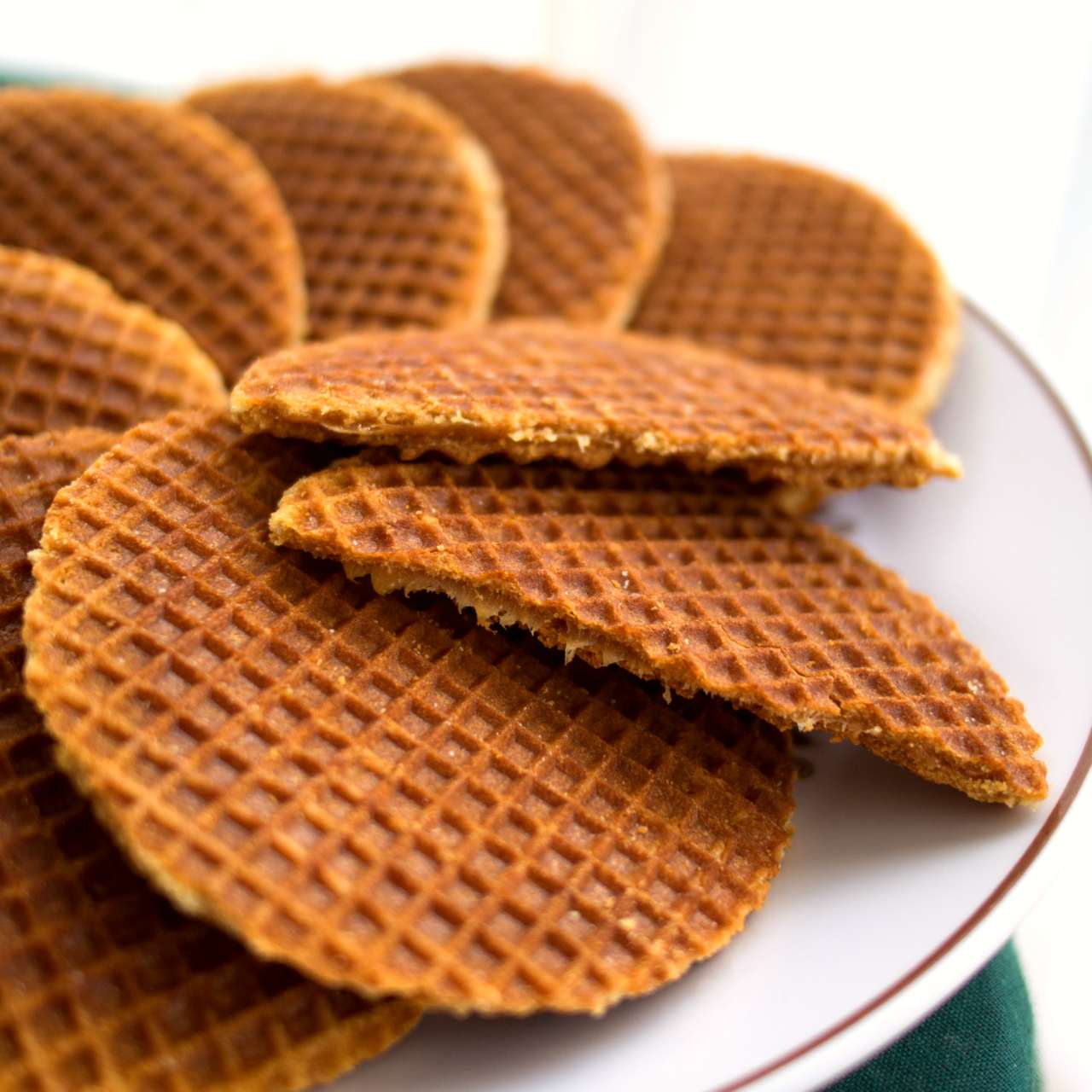
Stroopwafel: Warm caramel waffle from the market stall.
Local jenever: Dutch gin sipped cold at the cafe near the bridge.
Local traditions - Nommern

Local traditions

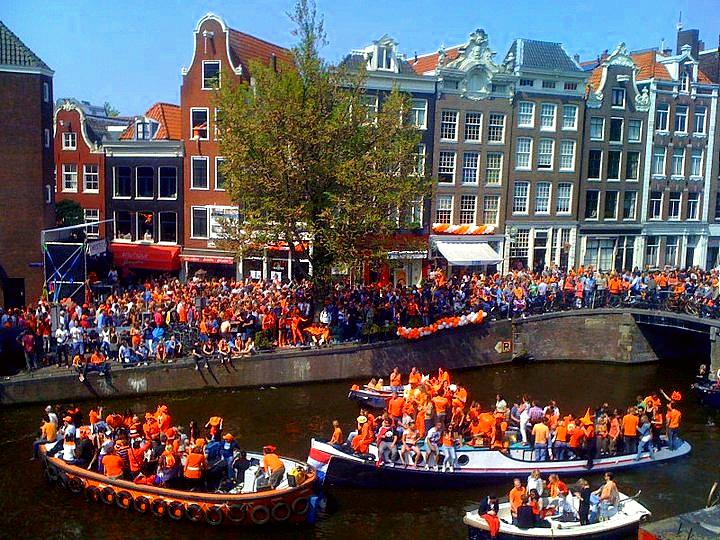
Koningsdag: Orange clothing, street stalls and music on 27 April.
Sint Maarten: Children with lanterns go door to door in November.
Harvest gatherings: Small autumn get-togethers tied to the farming year.
Ice skating: When canals freeze hard enough, locals skate the routes.

History

Nommern grew from farmland reclaimed over centuries, part of the wider polder work that turned marsh into pasture in North Holland. Ditches, dykes and drainage mills shaped the land long before any road did. The village formed around a church and a small harbour where goods moved by water.

For generations dairy farming set the rhythm. Cheese and milk went out by boat, then later by road. The mill that once pumped water has faded, but the layout of the fields still follows the old drainage lines, and that is the clearest history you can read here.

Things to know

Public transport is thin: Buses run infrequently, so check times or bring a bike.
Cafes close early: Many stop serving by early evening, especially off season.
Winter is very quiet: Some spots shut entirely between November and March.
Wind is constant: The open polder offers little shelter, dress for it.

Do's and don'ts

Rent a bike, it is the honest way to see the area.
Buy cheese directly at the Saturday market.
Watch the swing bridge open if a boat is coming.
Bring cash for small stalls that skip cards.
Don't expect nightlife or late dining here.
Don't cycle two abreast on narrow dyke lanes.
Don't rely on a single late bus to leave.
Don't walk on private farmland to reach the water.

Good to know

Accessibility: Flat and mostly step-free, though cobbles and boat access can be tricky for wheelchairs.
Price level: mid-range

Photo: Wikipedia / Wikimedia Commons