search
search
add New trip
Poland

Poland

PL calendar_monthMay–Jun, Sep–Octbest time schedule10 daysplan for child_careYeswith kids confirmation_numberMid-rangeprice flagWarsawcapital Polish Zlotycurrency translatePolishlanguage
PolandYour own route Plan a trip here →

Poland is a country rich in history and culture, offering a diverse landscape from bustling cities to serene countryside. Travelers can explore medieval castles, vibrant markets, and stunning natural parks, making it a destination that caters to various interests.

In pictures

Poland
Poland
Poland
Poland
Poland
Poland
Poland
Poland

Sightseeing

Kraków: A historic city with a stunning old town and Wawel Castle
Warsaw: The capital, known for its modern skyline and reconstructed historic district
Gdańsk: A picturesque port city with rich maritime history
Wrocław: Famous for its charming market square and unique architecture
Zakopane: A mountain resort town ideal for hiking and skiing
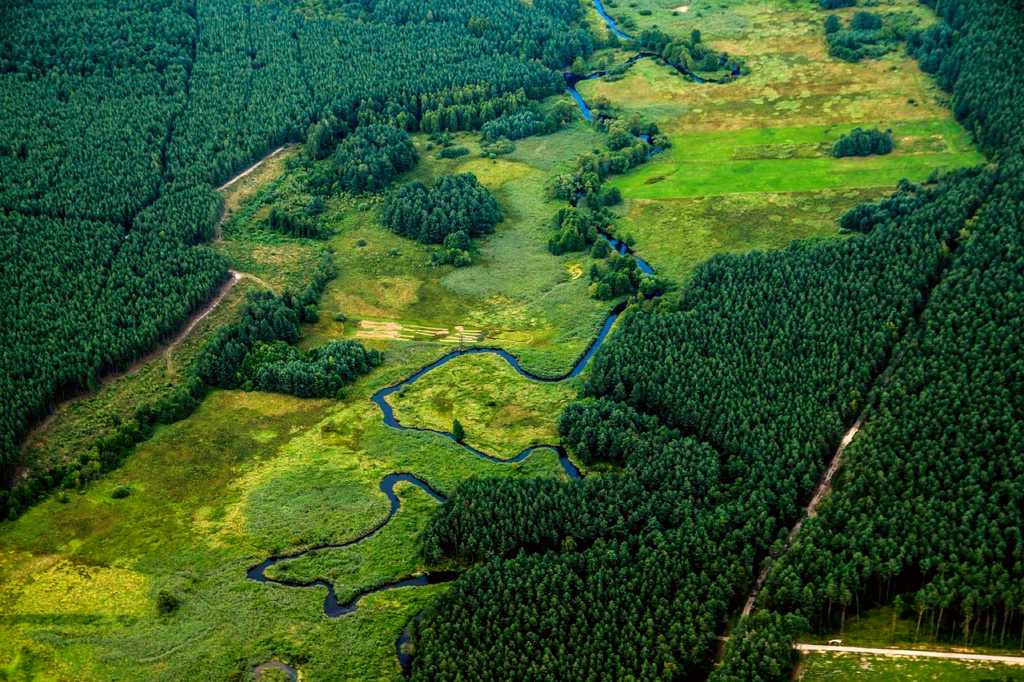
Białowieża Forest: One of the last primeval forests in Europe
Malbork Castle: The largest castle in the world by surface area
Tatra National Park: A stunning area for nature lovers and hikers

"Discover the heart of Europe"Poland

Things to do

Explore the Auschwitz-Birkenau Memorial and Museum: A poignant reminder of history
Visit the Wieliczka Salt Mine: An underground marvel with intricate salt sculptures
Stroll through the Old Towns: Experience the charm of historic city centers
Attend a traditional Polish folk festival: Immerse yourself in local culture
Hike in the Tatra Mountains: Enjoy breathtaking views and outdoor activities
Sample local craft beers: Discover Poland's growing brewing scene
Local food and drinks - Poland

Local food and drinks

Pierogi: Dumplings filled with various ingredients, try them in Kraków
Bigos: A hearty hunter's stew, best enjoyed in winter
Żurek: A sour rye soup, commonly served on Easter
Placki ziemniaczane: Potato pancakes, popular in many restaurants
Kielbasa: Traditional Polish sausage, found at street markets
Vodka: Sample local varieties, especially during celebrations
Local traditions - Poland

Local traditions

Wianki Festival: A midsummer celebration with floating wreaths
All Saints' Day: A day to honor deceased loved ones with candles and flowers
Christmas Eve Wigilia: A traditional dinner with twelve dishes
Easter traditions: Including the blessing of food baskets
Harvest Festival: Celebrating the harvest with music and dance

Do's and don'ts

Learn a few basic Polish phrases to enhance your experience
Try local dishes and drinks to fully appreciate the culture
Respect historical sites and memorials during visits
Participate in local festivals for a unique experience
Dress modestly when visiting churches and religious sites
Don't take photos in places where it's prohibited, like some museums
Don't assume all restaurants have English menus
Don't discuss sensitive historical topics unless invited
Don't forget to validate your train ticket before boarding
Don't ignore local customs and etiquette, especially in rural areas
Explore Warsaw's historic heart

Explore Warsaw's historic heart

Warsaw's Old Town Market Square is a lively spot filled with colorful buildings and outdoor cafes. Here, you can enjoy a plate of pierogi, a traditional Polish dumpling, while watching street performers. The square is surrounded by shops selling local crafts and souvenirs. Be prepared for crowds, especially during the summer months. If you visit in winter, the square transforms into a charming Christmas market, complete with festive lights and seasonal treats. Just remember that English may not be widely spoken, so having a translation app can help.

Gaze at Krakow's iconic basilica

Gaze at Krakow's iconic basilica

St. Mary's Basilica in Krakow is famous for its stunning altarpiece carved by Veit Stoss. The church's two towers offer a panoramic view of the city, but climbing the stairs can be a workout. Inside, the intricate details and vibrant colors of the stained glass windows are captivating. If you can, catch the hourly trumpet signal from the taller tower, a tradition that dates back to the 13th century. Be aware that the basilica can get crowded, especially during peak tourist season, so visiting early in the morning is a good idea.

Discover Wrocław's charming architecture

Discover Wrocław's charming architecture

Wrocław's Old Town Hall is a striking example of Gothic architecture, with its ornate facade and colorful clock tower. The surrounding market square is filled with cafes and shops, perfect for a leisurely afternoon. Try a local dish like żurek, a sour rye soup, at one of the nearby restaurants. The area can be quite lively, especially during festivals, so expect some noise. If you prefer a quieter experience, visiting during the off-peak hours can provide a more relaxed atmosphere to appreciate the architecture.
info_outlinePracticalexpand_more
Population: 38.000.000
Best time: May to September

About Poland

While Poland is generally safe and welcoming, some areas may have language barriers and public transport can be less frequent in rural regions. It's advisable to learn a few basic Polish phrases and plan your travel routes in advance to make the most of your trip.

Basic information

Capital: Warsaw
Language: Polish
Currency: Polish Zloty
Best time to visit: May to September

Travel information

Flights to Poland are available from major cities worldwide, with Warsaw and Kraków being the main international airports Public transport is reliable in cities, but rural areas may require a car Credit cards are widely accepted, but carry cash for smaller establishments Mobile connectivity is good, with many cafes offering free Wi-Fi Roads are generally well-maintained, but be cautious of rural routes

Things to know

Don't assume everyone speaks English, especially in smaller towns
Be prepared for varying opening hours, particularly on Sundays
Watch out for pickpockets in crowded tourist areas
Respect local customs, especially during religious events
Tipping is appreciated but not mandatory, usually around 10-15%

Good to know

Accessibility: Many cities are accessible, but rural areas may pose challenges.
Price level: mid-range
history_eduHistoryexpand_more
History - Poland

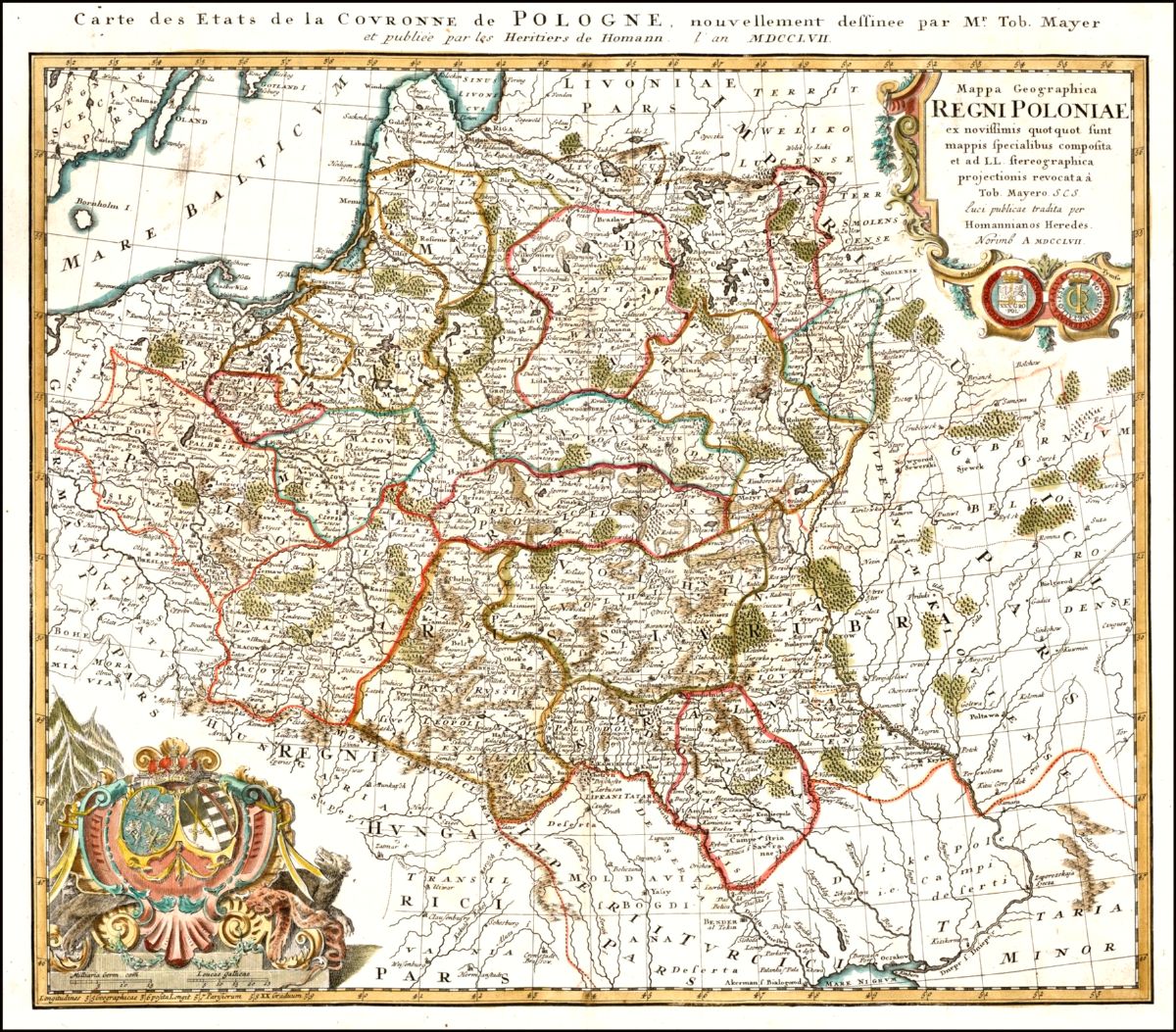
Poland's history is marked by its resilience and cultural richness, dating back to the 10th century when it became a kingdom. Over the centuries, it faced numerous invasions and partitions, particularly in the late 18th century when it was divided among Prussia, Russia, and Austria, disappearing from the map for over a century.

After regaining independence in 1918, Poland experienced significant turmoil during World War II, suffering immense losses and destruction. The fall of communism in 1989 marked a new chapter, leading to a democratic government and integration into the European Union in 2004, shaping its modern identity.

Photo: Wikipedia / Wikimedia Commons