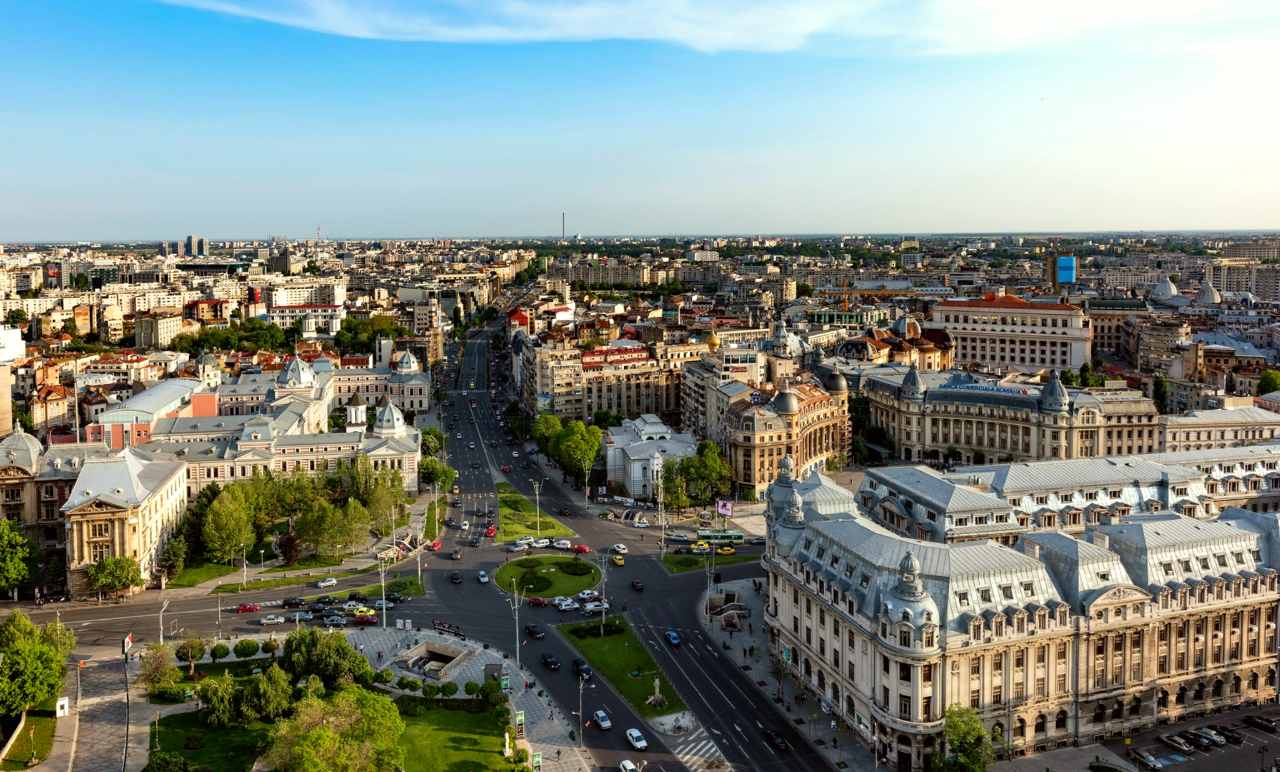
Bucharest
Bucharest is a city where history and modernity coexist. You can stroll through the old town, where cobblestone streets lead to lively cafes and shops. The architecture varies from grand neoclassical buildings to stark communist-era structures, reflecting its complex past.
Read more
As the capital of Romania, Bucharest serves as a cultural and economic hub. The city has seen significant development in recent years, with new infrastructure projects transforming its landscape. Visitors can expect a mix of traditional and contemporary experiences, from museums to vibrant nightlife.
Highlights
National Museum of Natural History
Features exhibits on dinosaurs and local wildlife.
Old Town
Explore the historic heart of Bucharest
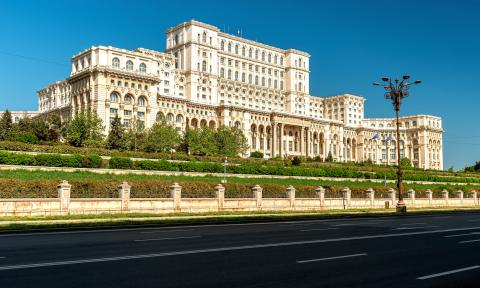
Palace of Parliament
Visit the massive government building
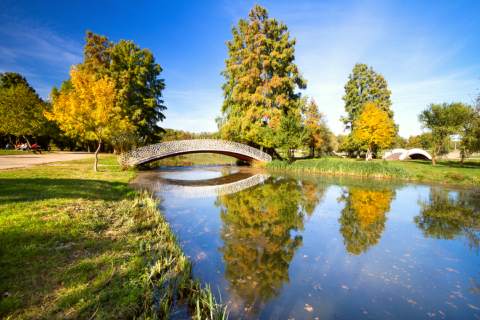
Parcul Tineretului
A large park with playgrounds and open spaces for kids.
Therme București
A large wellness and relaxation center with pools and saunas.
Routes through here
Every route opens in the planner as your own copy: change any stop, any night.
Sightseeing
Things to do
Local food and drinks
Local traditions
Do's and don'ts
Practical
At a glance
- Founded
- 1459
- Population
- 2.100.000
- Accessibility
- Some areas are wheelchair accessible, but many streets are uneven.
- Price level
- Mid-range
Things to know
History
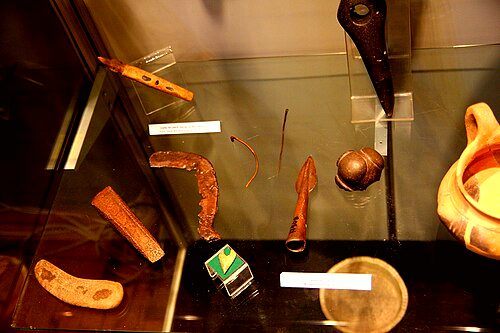
Bucharest's history dates back to the 15th century when it became the capital of Wallachia. It has witnessed numerous changes, from Ottoman influence to its role in the communist regime under Nicolae Ceaușescu. The city was heavily bombed during World War II, leading to significant reconstruction efforts. In recent decades, Bucharest has transformed dramatically. The fall of communism in 1989 opened the door to modernization and development. Today, it is a city that reflects both its rich history and its aspirations for the future.
Photo: Wikipedia / Wikimedia Commons