Sibiu
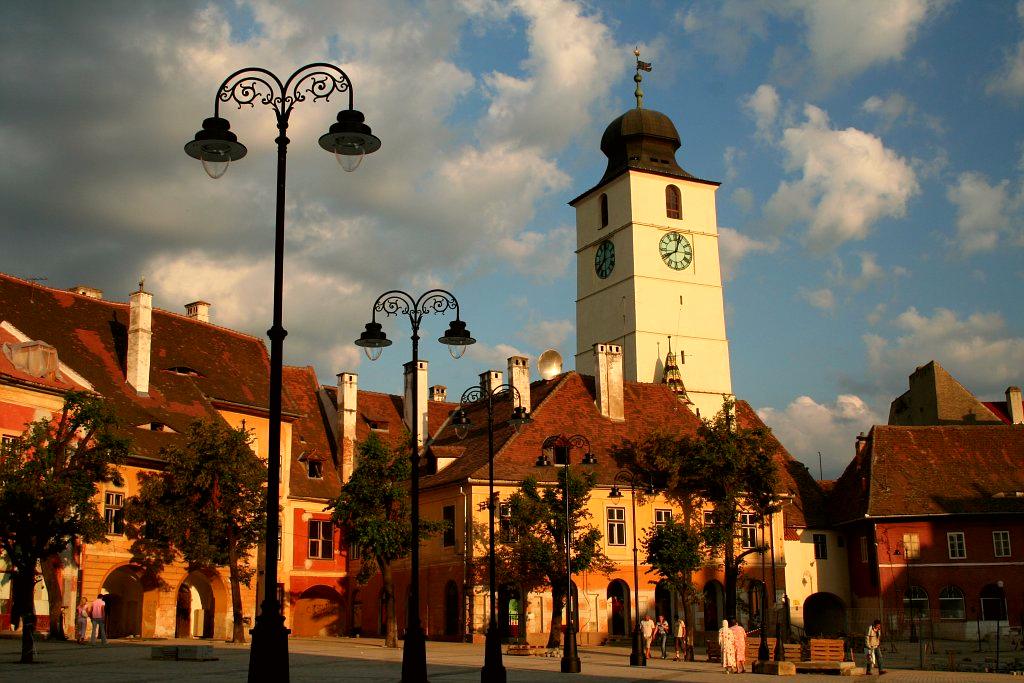
Sibiu is a city where history and culture intertwine. Its medieval architecture, particularly in the Old Town, reflects a rich past influenced by German and Hungarian communities. Walking through the cobblestone streets, you can feel the stories of centuries past.
Read more
The atmosphere is relaxed, with cafes lining the squares and locals enjoying their day. The city is also a hub for festivals and events, making it lively during the summer months. However, winter can be quiet, with fewer tourists and some attractions closed.
Highlights
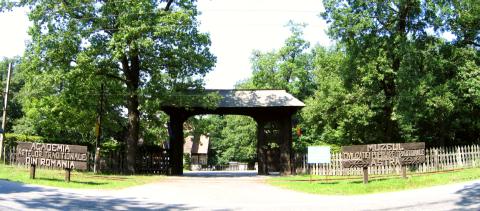
ASTRA Museum
An open-air museum showcasing Romanian rural life.
Fortified Churches
Visit the historic fortified churches nearby
The Bridge of Lies
A pedestrian bridge with local legends.
The Council Tower
Offers panoramic views of the city.
Routes through here
Every route opens in the planner as your own copy: change any stop, any night.
Sightseeing
Things to do

Local food and drinks
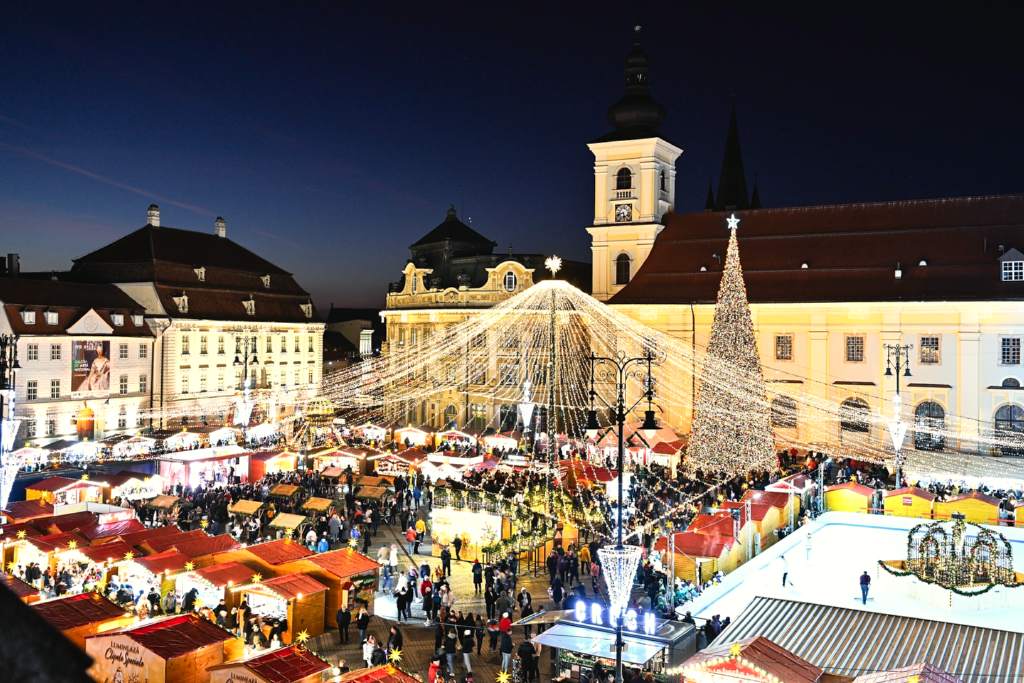
Local traditions
Do's and don'ts
Practical
At a glance
- Founded
- the 12th century
- Population
- 147.000
- Accessibility
- The city has some cobblestone streets, which may be challenging.
- Price level
- Mid-range
Things to know
History
Sibiu's roots trace back to the 12th century when German settlers established a fortified town. It became a significant center for trade and culture in Transylvania, particularly during the 14th and 15th centuries. The city's architecture reflects this heritage, with many buildings dating back to medieval times.
Over the centuries, Sibiu has seen various influences, from the Austro-Hungarian Empire to the Romanian state. It was designated a European Capital of Culture in 2007, which spurred renovations and increased tourism. Today, it stands as a testament to its diverse history.
Photo: Wikipedia / Wikimedia Commons