search
search
add New trip

Kaliningrad

RU calendar_monthMay–Jun, Sepbest time schedule5 daysplan for child_careYeswith kids
KaliningradYour own route Plan a trip here →

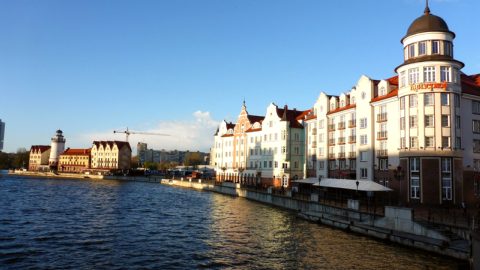
Kaliningrad, a unique Russian exclave nestled between Poland and Lithuania, offers a blend of rich history, stunning architecture, and beautiful coastal landscapes. Visitors can explore its fascinating past, from the medieval Teutonic Knights to its post-war transformation, while enjoying the vibrant culture and local cuisine.

Read more

The region boasts picturesque beaches along the Baltic Sea, charming towns like Svetlogorsk and Zelenogradsk, and the impressive Curonian Spit, a UNESCO World Heritage site. However, be prepared for unpredictable weather and limited English-speaking locals, which can make navigation a bit challenging.

Sightseeing

Königsberg Cathedral: a Gothic structure dating back to the 14th century, home to a museum about the city's history. The cathedral's tower offers views of the surrounding area.
Curonian Spit: a UNESCO World Heritage site featuring shifting sand dunes and diverse wildlife. Visit in late spring or early autumn for comfortable temperatures and fewer crowds.
Amber Museum: located in a former water tower, it showcases the region's amber artifacts and offers insight into its history. The museum often hosts workshops on amber crafting.
Friedland Gate: a historical city gate that houses a museum detailing the city's past and its role in various conflicts. Check for temporary exhibitions that may be on display.
Svetlogorsk Promenade: a seaside walkway lined with cafes and shops, ideal for a leisurely stroll. Summer is the best time to enjoy the outdoor seating and local ice cream.
Zelenogradsk Beach: a popular spot for sunbathing and swimming, with beach bars and facilities. July and August are the peak months for warm weather and beach activities.
Museum of the World Ocean: features maritime exhibits and a research vessel. Guided tours are available, and the museum often hosts special events related to marine conservation.
Victory Square: a central square surrounded by monuments and cafes. It often hosts local events and markets, particularly lively during national holidays like Victory Day on May 9.

"A Hidden Gem by the Baltic Sea"Kaliningrad

Local food and drinks

Syrniki: delicious cheese pancakes often served with sour cream
Borscht: a hearty beet soup, popular in Eastern Europe
Kefir: a fermented milk drink, refreshing and healthy
Pirozhki: small pastries filled with meat, vegetables, or fruit
Kvass: a traditional fermented beverage made from bread

Local traditions

Maslenitsa: a week-long festival celebrating the end of winter
Victory Day: commemorating the end of World War II with parades
Kupala Night: a summer festival with bonfires and folk songs
Christmas Markets: festive markets with local crafts and food

Practical

At a glance

Best time
May to September
history_eduHistoryexpand_more
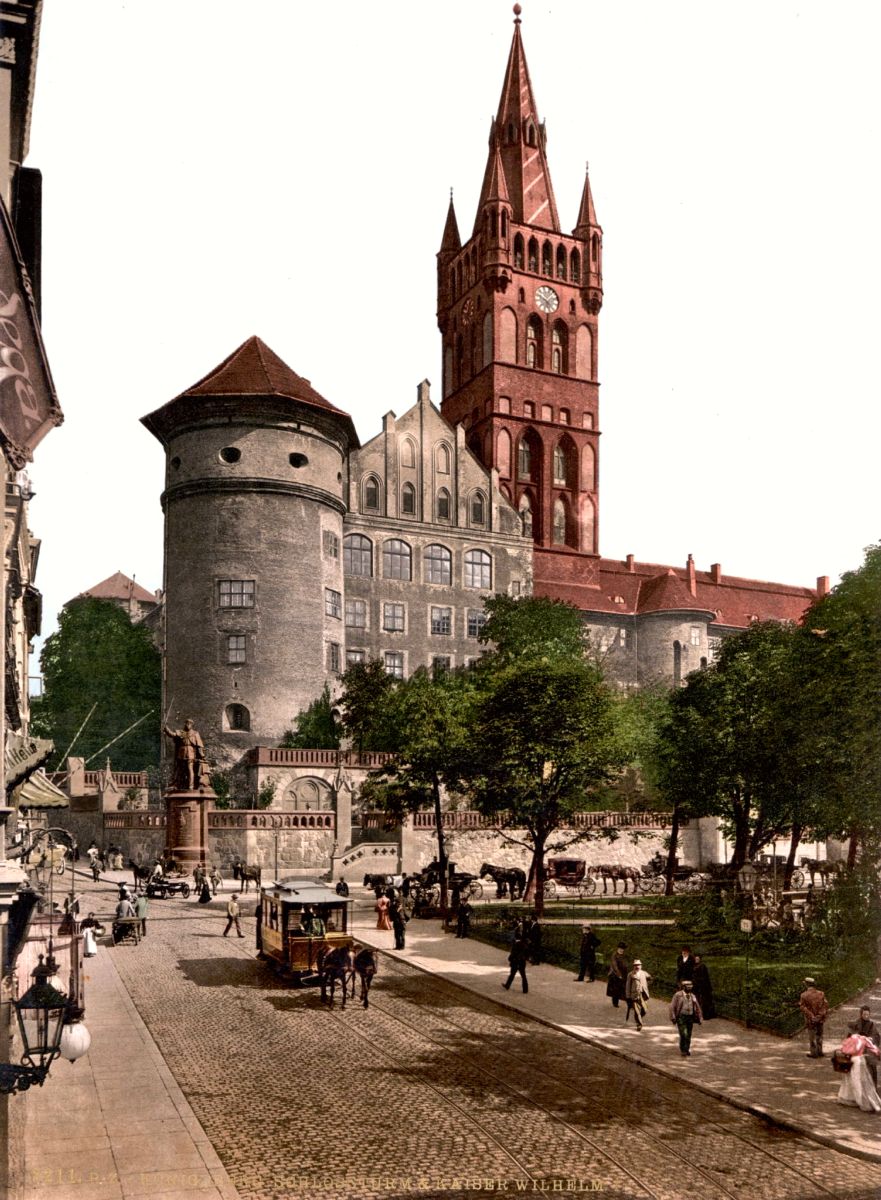
History - Kaliningrad Wikimedia Commons · Public domain

Kaliningrad's history is marked by its origins as Königsberg, the capital of East Prussia, founded by the Teutonic Knights in the 13th century. The city flourished as a cultural and intellectual hub, home to philosopher Immanuel Kant, until it was heavily bombed during World War II and subsequently annexed by the Soviet Union.

Today, Kaliningrad reflects a complex history, with remnants of its German past visible in architecture and street names. The region has undergone significant changes since the fall of the Soviet Union, evolving into a unique blend of Russian and European influences, making it an intriguing destination for history enthusiasts.

Photo credits (1)