search
search
add New trip

Siberia

RU calendar_monthJun–Augbest time schedule10 daysplan for child_careYeswith kids
SiberiaYour own route Plan a trip here →

Siberia is a vast and diverse region of Russia, offering travelers a unique blend of natural beauty and cultural experiences. From the stunning landscapes of Lake Baikal to the rugged mountains of Altai, outdoor enthusiasts will find plenty to explore, including hiking, fishing, and winter sports.

Read more

However, Siberia's remoteness can be a challenge. Travelers should prepare for long distances between attractions and varying weather conditions. Understanding local customs and languages can enhance the experience, as many areas are less frequented by international tourists.

Sightseeing

Lake Baikal: the world's deepest freshwater lake, with a maximum depth of 1,642 meters and unique species like the Baikal seal.
Altai Mountains: offers hiking trails such as the Chulyshman Valley and skiing at resorts like Belokurikha, popular from June to September for hiking and winter for skiing.
Trans-Siberian Railway: an iconic train journey that takes about a week to cross the region, with scenic views of forests and rivers, especially beautiful in autumn when the leaves change color.
Krasnoyarsk Pillars: unique rock formations with trails leading to viewpoints, best explored in May or September when the weather is mild.
Irkutsk: a historical city with rich architecture, including the wooden houses of the 19th century and the Decembrists' museum, which is open year-round.
Yakutsk: one of the coldest cities on Earth, where winter temperatures can drop below -40°C, making it a unique experience for those who can handle the chill, but be prepared for extreme cold from November to March.
Kamchatka Peninsula: known for its volcanic landscapes, hot springs like the Nalychevo Nature Park, and diverse wildlife, including bears and sea otters, best visited in July and August for outdoor activities.
Tobolsk: a historic town with a beautiful Kremlin, particularly picturesque during the winter months when the snow covers the old buildings, but also worth visiting in summer for the annual Tobolsk City Day celebrations.

"Explore the vastness of Siberia"Siberia

Local food and drinks

Pelmeni: traditional dumplings filled with meat
Borscht: beet soup often served with sour cream
Kholodets: jellied meat dish, a unique delicacy
Kvass: fermented beverage made from rye bread
Syrniki: sweet cheese pancakes, a popular breakfast item

Local traditions

Maslenitsa: a week-long festival celebrating the end of winter
Ysyakh: Yakut summer festival honoring the spirits
Siberian Shamanism: traditional spiritual practices still observed
New Year: celebrated with unique local customs and dishes

Practical

At a glance

Best time
June to September
history_eduHistoryexpand_more
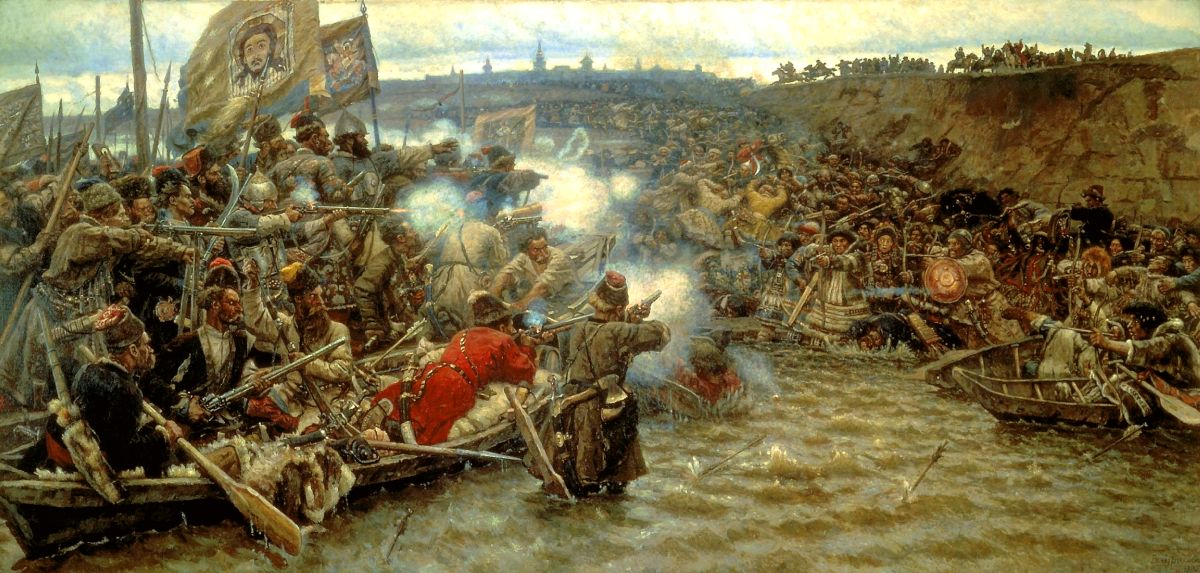
History - Siberia Vasiliy Surikov · Public domain

Siberia has a rich history that dates back to ancient times, with indigenous peoples inhabiting the region long before Russian expansion. The area became a part of the Russian Empire in the 17th century, leading to significant cultural exchanges and the establishment of settlements.

In the 20th century, Siberia was known for its labor camps during the Soviet era, which left a lasting impact on its demographic and cultural landscape. Today, it is a region of contrasts, blending modernity with its deep-rooted traditions.

Photo credits (1)