search
search
add New trip

St. Petersburg

RU calendar_monthMay–Jun, Sepbest time schedule5 daysplan for child_careYeswith kids
St. PetersburgYour own route Plan a trip here →

St. Petersburg, often referred to as the cultural capital of Russia, offers travelers a rich tapestry of history, art, and architecture. The city's stunning canals, grand palaces, and vibrant arts scene make it a must-visit destination for those seeking to immerse themselves in Russian culture.

Read more

However, be prepared for the weather, as it can be quite unpredictable. Summers are short and can be crowded, while winters are long and harsh. The city's charm shines through in both seasons, but plan accordingly to make the most of your visit.

Sightseeing

Hermitage Museum: one of the largest and oldest museums in the world, home to over three million items
Peterhof Palace: features elaborate gardens and over 150 fountains, best visited in late spring to early autumn
St. Isaac's Cathedral: offers a panoramic view of the city from its colonnade, entry is around 500 rubles
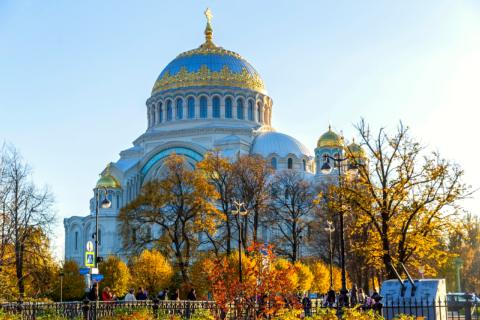
Church of the Savior on Spilled Blood: known for its colorful onion domes and intricate mosaics, restoration work is ongoing
Nevsky Prospect: the main avenue lined with shops and cafes, great for people-watching, especially on weekends
Peter and Paul Fortress: the birthplace of the city, includes a cathedral with the tombs of Russian emperors
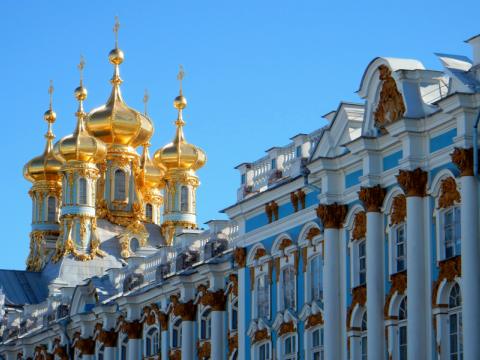
Catherine Palace: a baroque palace famous for the Amber Room, expect long lines in summer
Mariinsky Theatre: a renowned venue for opera and ballet performances, tickets can be pricey but worth it for the experience

"Cultural Heart of Russia"St. Petersburg

Local food and drinks

Borscht: a beet soup often served with sour cream
Pelmeni: Russian dumplings filled with meat
Blini: thin pancakes served with various fillings
Kvass: a traditional fermented beverage made from rye bread
Pirozhki: baked or fried buns filled with meat, vegetables, or fruit

Local traditions

White Nights Festival: a summer celebration of arts and culture
Maslenitsa: a week-long festival marking the end of winter
Victory Day: commemorating the end of World War II with parades
Scarlet Sails: a festive celebration marking the end of the school year

Practical

At a glance

Best time
May to September
history_eduHistoryexpand_more

Founded by Tsar Peter the Great in 1703, St. Petersburg was established as a 'window to the West' and served as the capital of Russia for over two centuries. The city played a pivotal role in Russian history, witnessing revolutions, wars, and cultural movements that shaped the nation.

After the Bolshevik Revolution, the city was renamed Leningrad and endured a devastating siege during World War II. Today, it has reclaimed its original name and stands as a testament to resilience, showcasing a blend of imperial grandeur and modern vibrancy.