kiomigo
search
search
add New trip
Alicante

Alicante

Population: 330.000 Since: Founded around 300 BC Price: Mid-range
accessible Accessibility: The city has some accessible areas but uneven pavements.

Introduction

Alicante is a vibrant coastal city in Spain, known for its stunning beaches and rich history. Visitors are greeted by a warm Mediterranean climate and a lively atmosphere, making it a perfect spot for relaxation and exploration.

The city boasts a charming old town with narrow streets, colorful buildings, and a bustling promenade. Alicante's blend of modern amenities and historical sites offers a unique experience, appealing to both beach lovers and culture enthusiasts.

Sightseeing

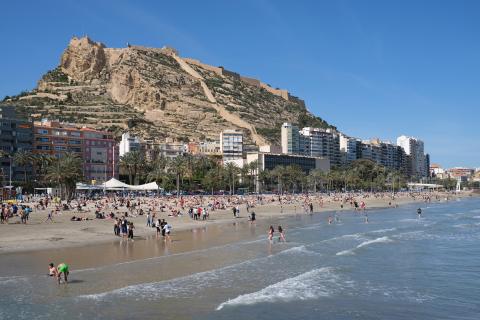
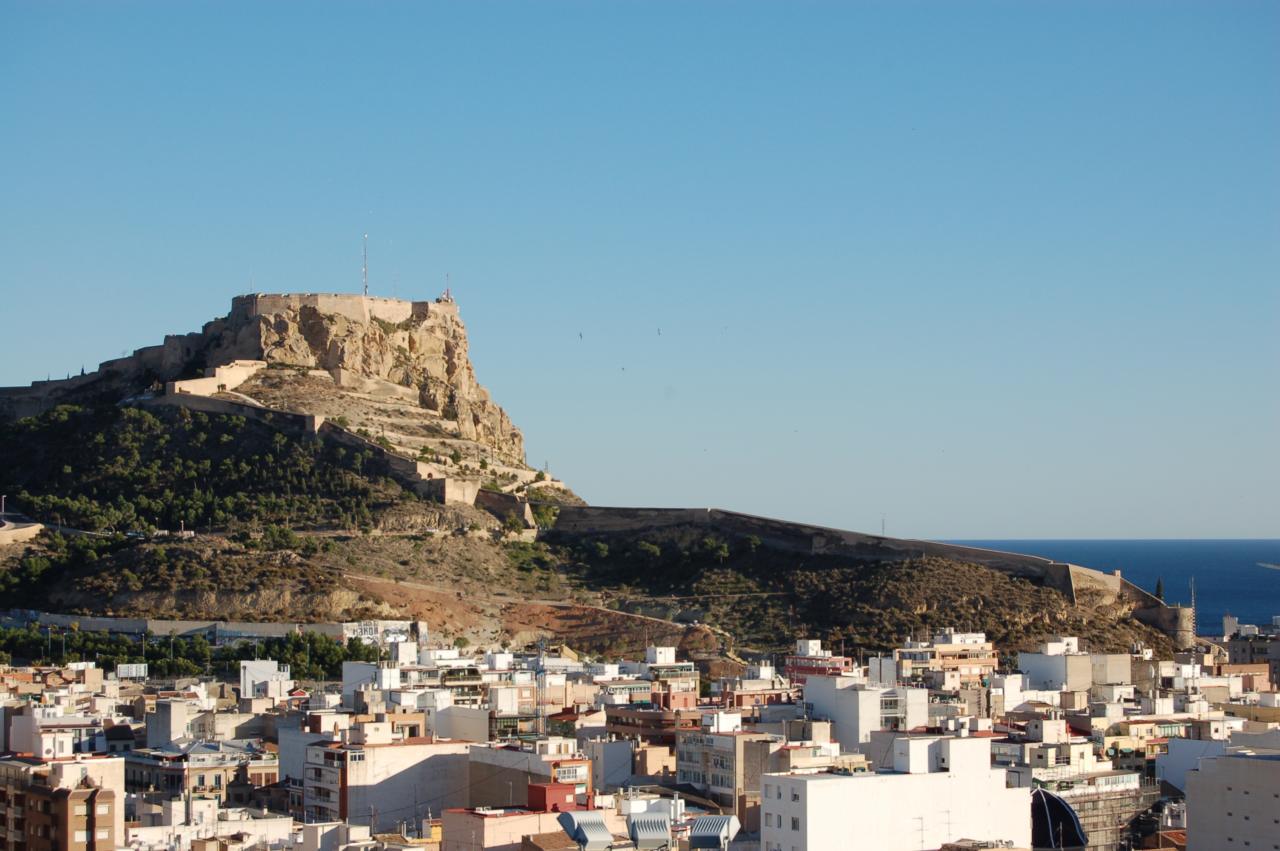
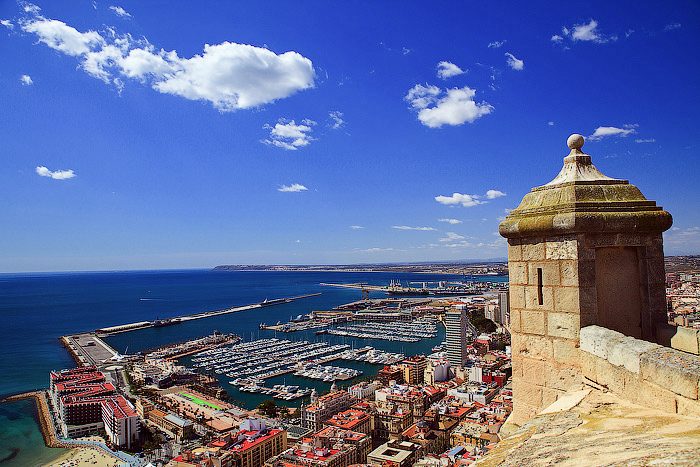
Santa Barbara Castle: a historic fortress with panoramic views
Explanada de España: a beautiful promenade lined with palm trees
Alicante Museum of Contemporary Art: features modern art exhibitions
San Nicolas Cathedral: a stunning example of Baroque architecture
Tabarca Island: a small island with crystal-clear waters
Archaeological Museum of Alicante: showcases the region's ancient history
Canelobre Caves: impressive limestone caves with unique formations
Mercado Central: a vibrant market for local produce and goods

"Sun, sea, and rich history await"Alicante

Things to do

Relax on Postiguet Beach: enjoy sunbathing and swimming
Explore the Santa Cruz neighborhood: wander through charming streets
Take a boat trip to Tabarca: discover the island's beauty
Visit the local markets: experience authentic Spanish culture
Hike to the castle: enjoy breathtaking views of the city

Local food and drinks

Paella: a traditional rice dish, often seafood-based
Turron: a local nougat, especially popular during holidays
Horchata: a refreshing drink made from tiger nuts
El Buen Comer: a popular spot for tapas
La Taberna del Gourmet: known for its innovative dishes

Local traditions

Hogueras de San Juan: a festival with bonfires in June
Moors and Christians Festival: a colorful reenactment in April
Semana Santa: a solemn Holy Week celebration
Fallas: a festival featuring large sculptures and fireworks
History - Alicante

History

Alicante's history dates back to ancient times, with evidence of settlement by the Iberians and later the Romans. The city was strategically important due to its port, which facilitated trade and military operations throughout the centuries.

In the Middle Ages, Alicante became a significant Moorish stronghold, influencing its architecture and culture. The city has evolved over the years, blending various influences while maintaining its unique identity, making it a fascinating destination for history buffs.

Things to know

Beware of tourist traps near the beach, as prices can be inflated
Public transport is limited, so consider walking or using taxis
Pickpocketing can occur in crowded areas, stay vigilant
Summer months can be extremely hot, plan outdoor activities accordingly

Do's and don'ts

Try the local seafood dishes
Visit the castle early in the morning
Take a stroll along the waterfront promenade
Learn a few basic Spanish phrases
Don't skip the local markets for authentic experiences
Don't assume all beaches are family-friendly
Don't forget sunscreen, the sun can be intense
Don't rush through the historical sites, take your time

Good to know

Accessibility: The city has some accessible areas but uneven pavements.
Price level: mid-range

Photo: Wikipedia / Wikimedia Commons