search
search
add New trip
Spain

Spain

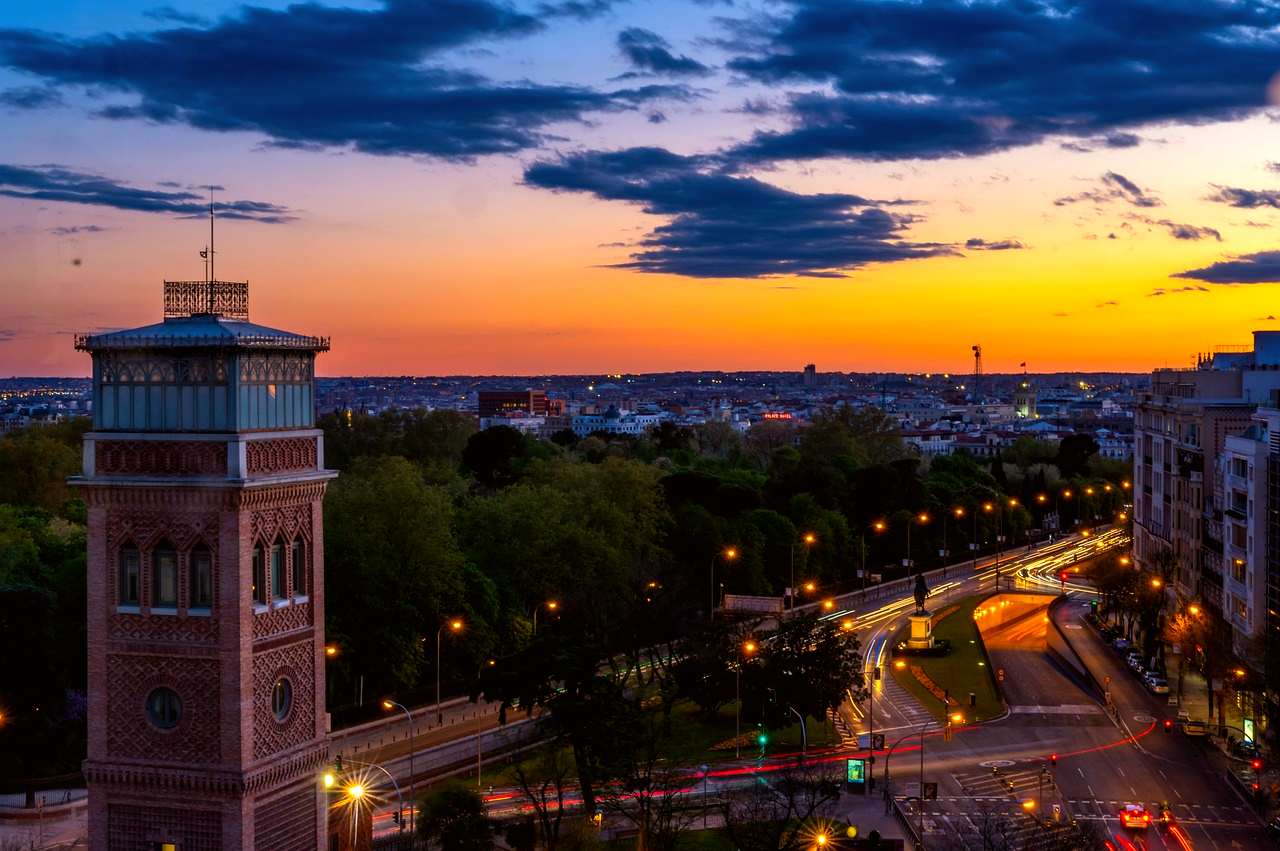
Alpcem · Pixabay
Alpcem · Pixabay
ES calendar_monthApr–May, Sep–Octbest time schedule10 daysplan for child_careYeswith kids flagMadridcapital €Eurocurrency translateSpanishlanguage
SpainYour own route Plan a trip here →

Spain is a vibrant country known for its rich culture, diverse landscapes, and warm hospitality. From the bustling streets of Barcelona to the serene beaches of the Costa del Sol, each region offers a unique experience that reflects its history and traditions.

Read more

Travelers can explore historic cities, indulge in world-class cuisine, and immerse themselves in lively festivals. However, be prepared for the occasional language barrier and varying levels of tourist infrastructure, especially in rural areas.

In pictures

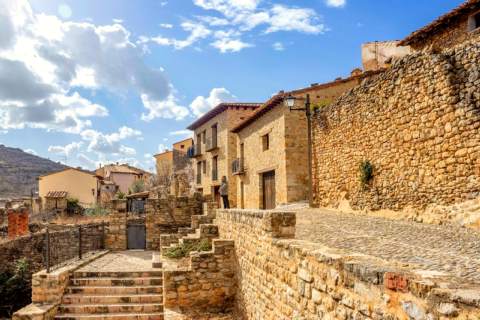
Spain javierAlamo · Pixabay
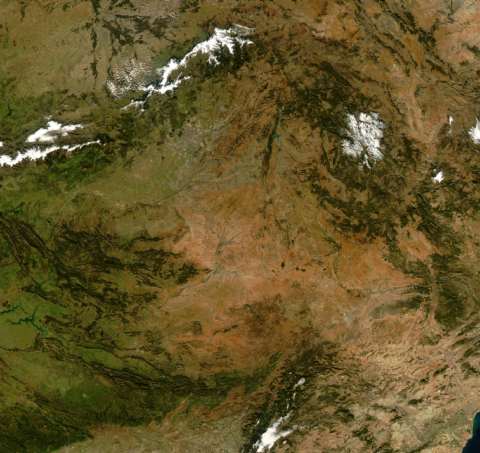
Spain jarmoluk · Pixabay
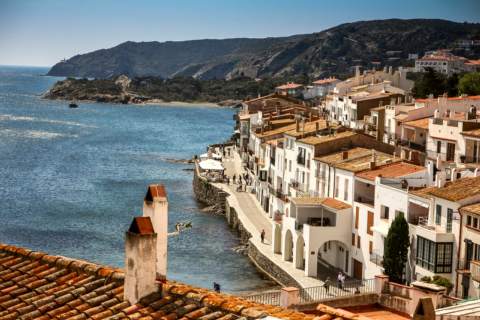
Spain ELG21 · Pixabay
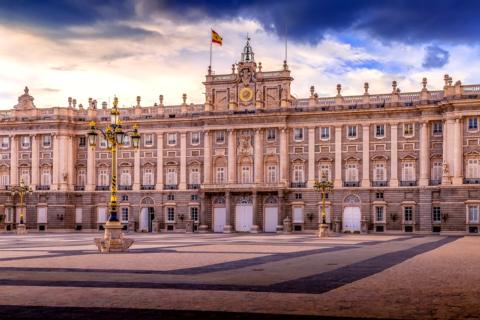
Spain pcjvdwiel · Pixabay

Sightseeing

Barcelona: famous for its architecture and art
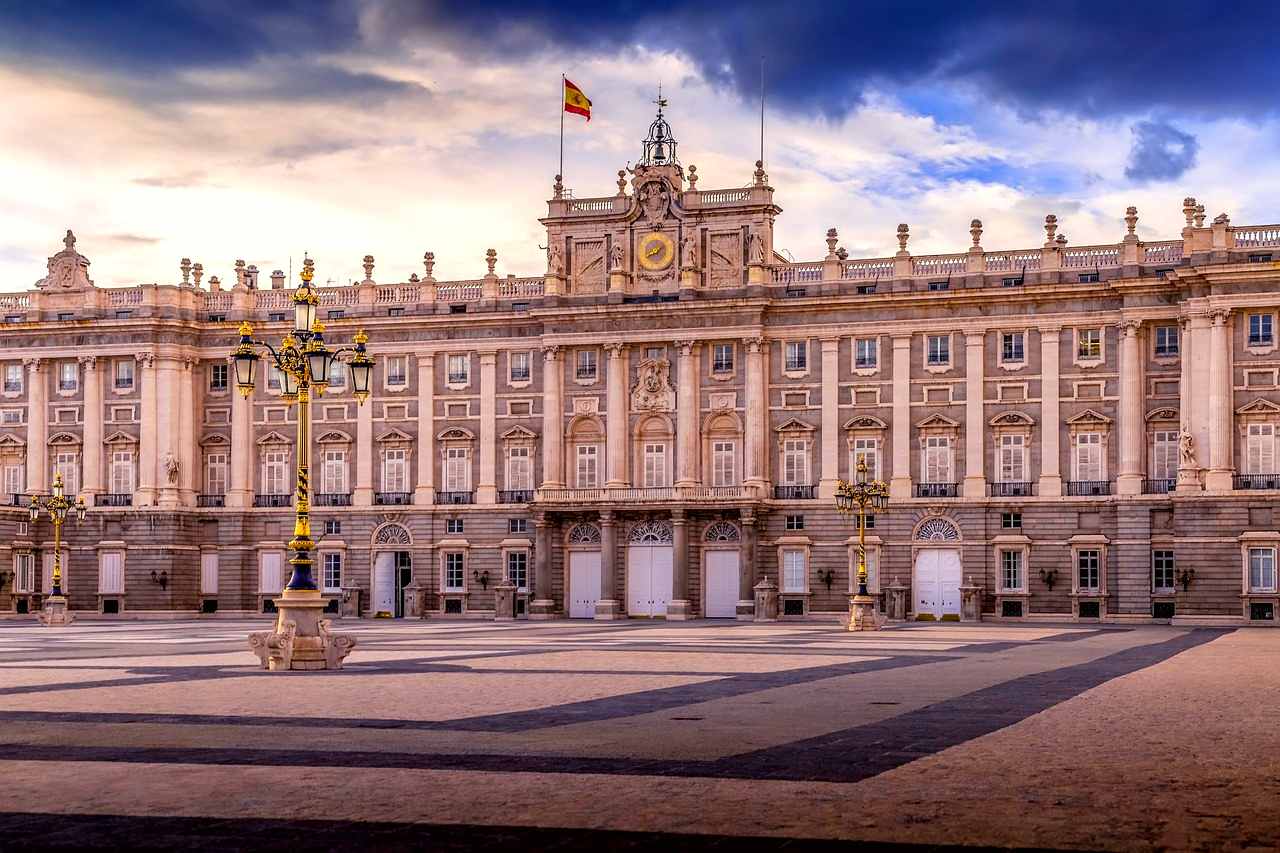
Madrid: the capital with rich museums and parks
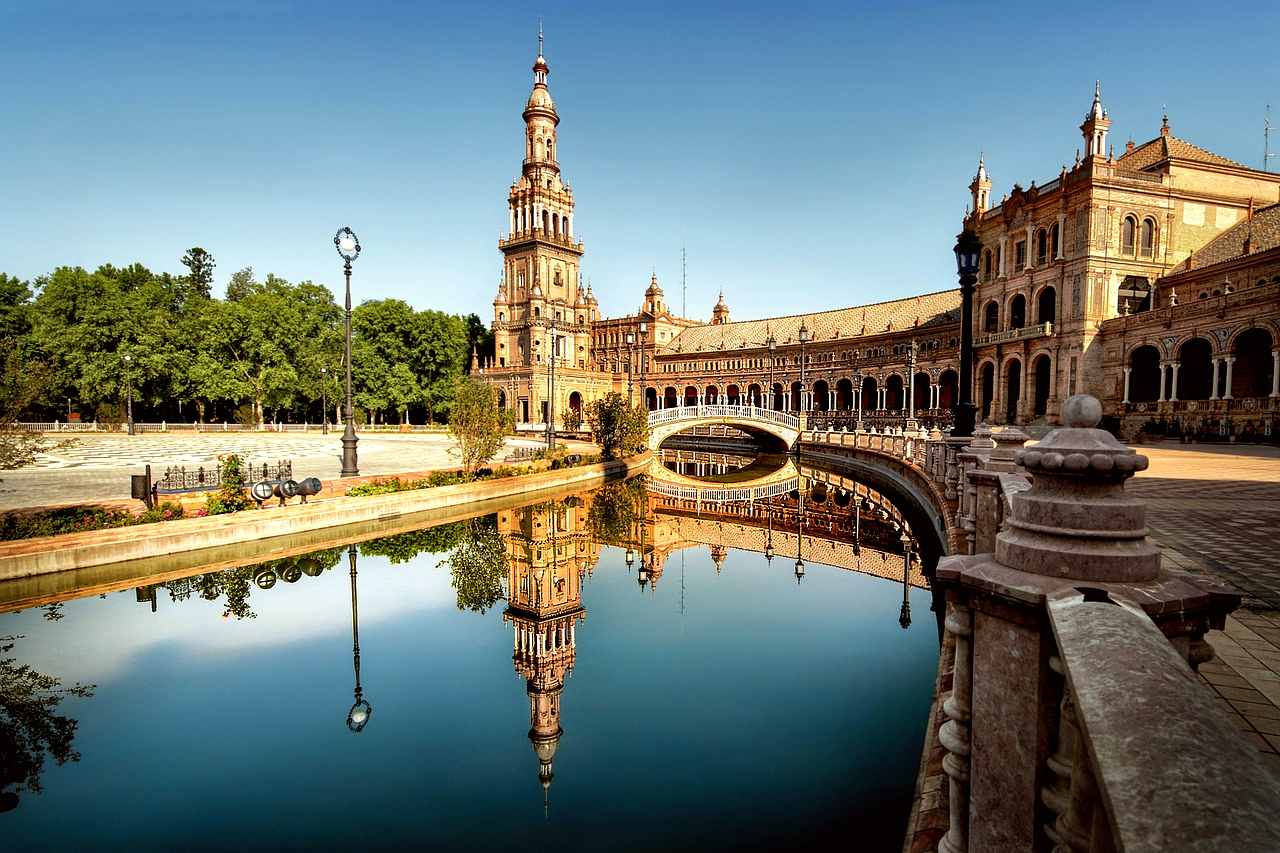
Seville: known for flamenco and stunning cathedrals
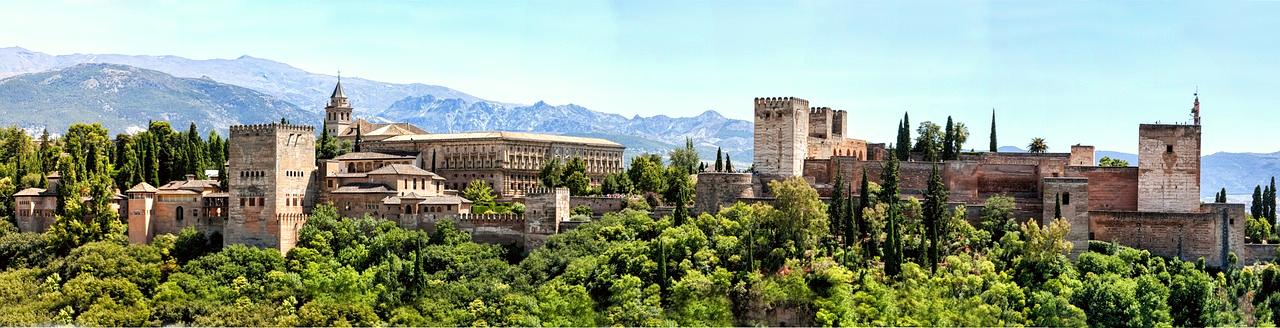
Granada: home to the Alhambra and Moorish history
Bilbao: a blend of modern and traditional Basque culture
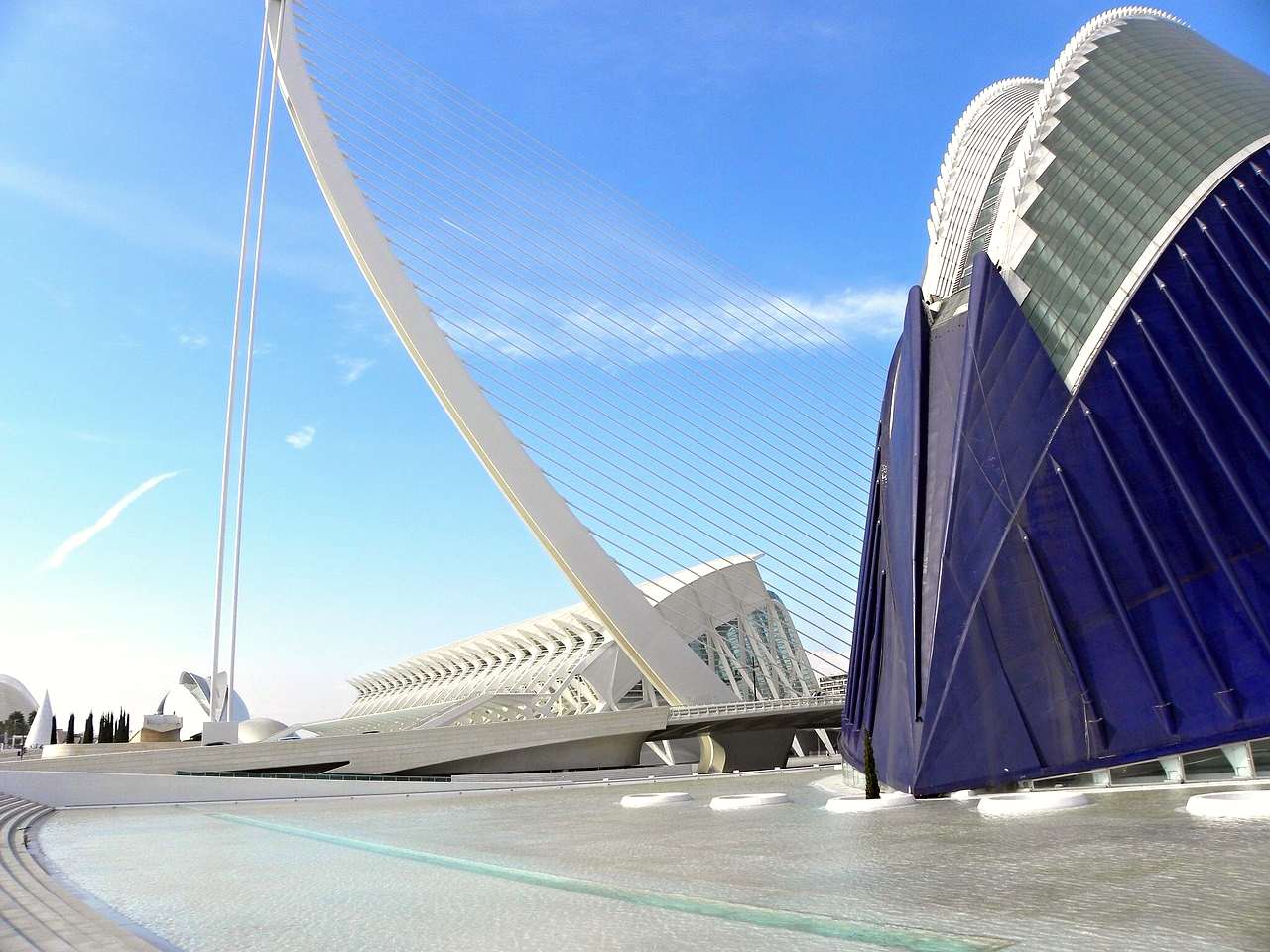
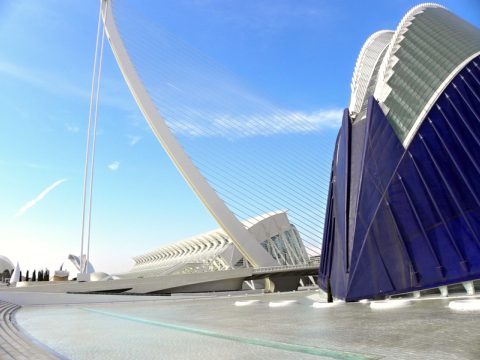
Valencia: famous for its futuristic architecture and paella
San Sebastián: renowned for its beaches and culinary scene
Santiago de Compostela: the endpoint of the Camino pilgrimage

"Experience the passion of Spain"Spain

Things to do

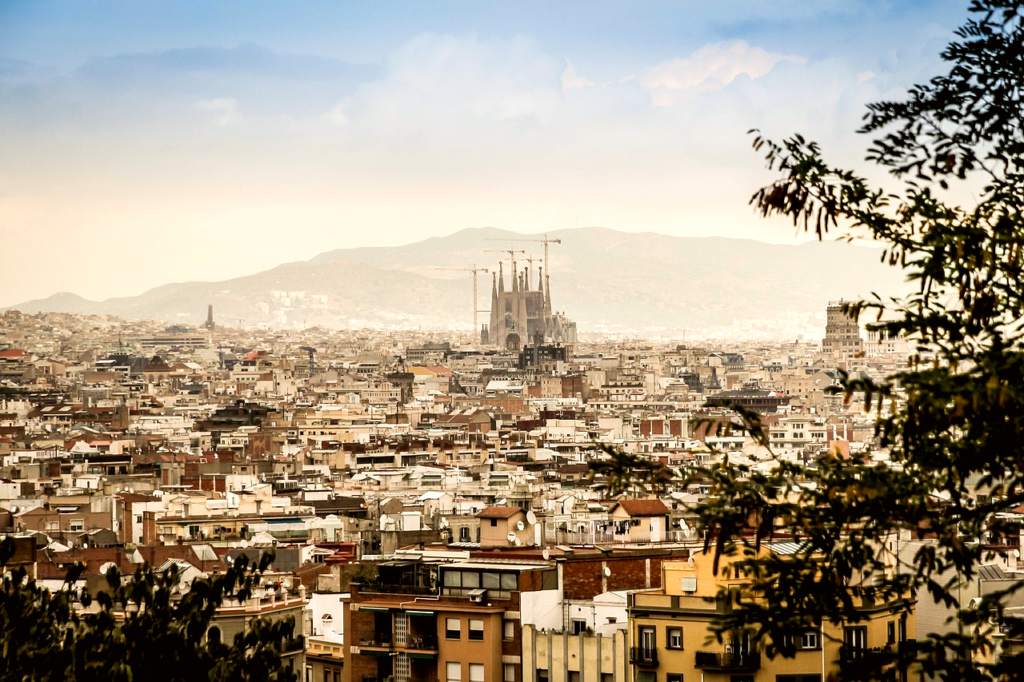
Visit Gaudí's Sagrada Familia in Barcelona: a masterpiece of architecture
Enjoy a flamenco show in Seville: an authentic cultural experience
Explore the Alhambra in Granada: a stunning example of Moorish architecture
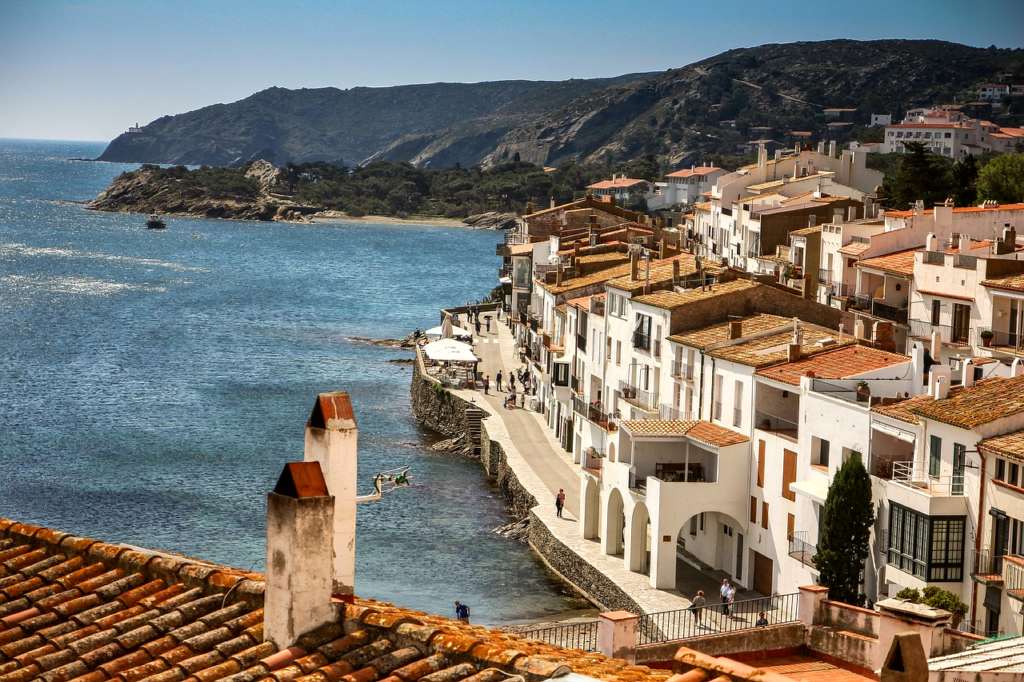
Relax on the beaches of Costa Brava: beautiful coastal scenery
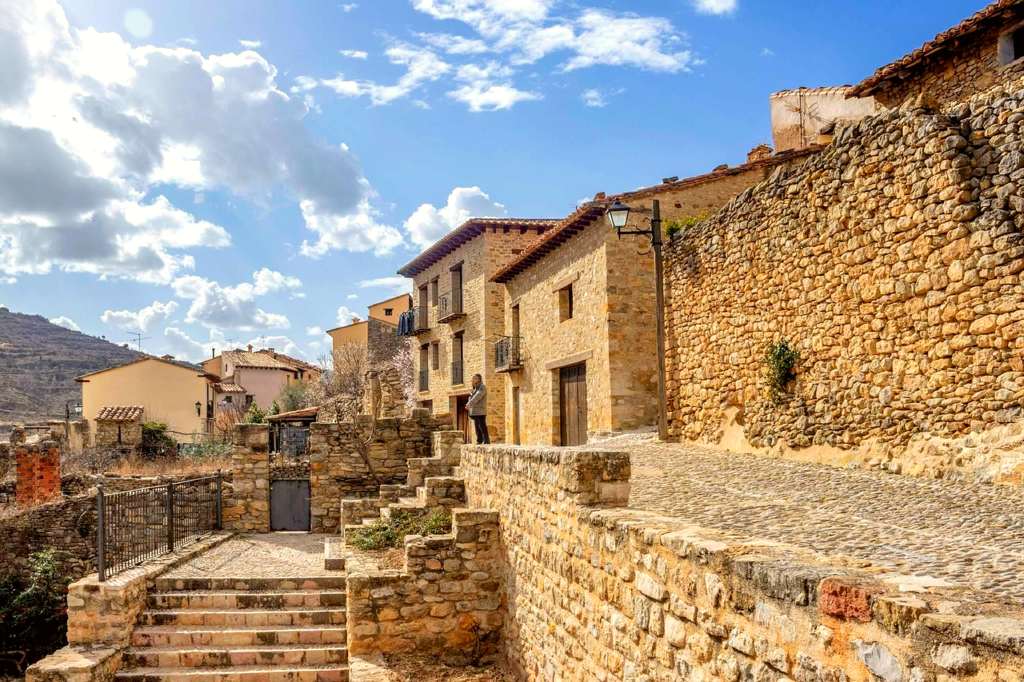
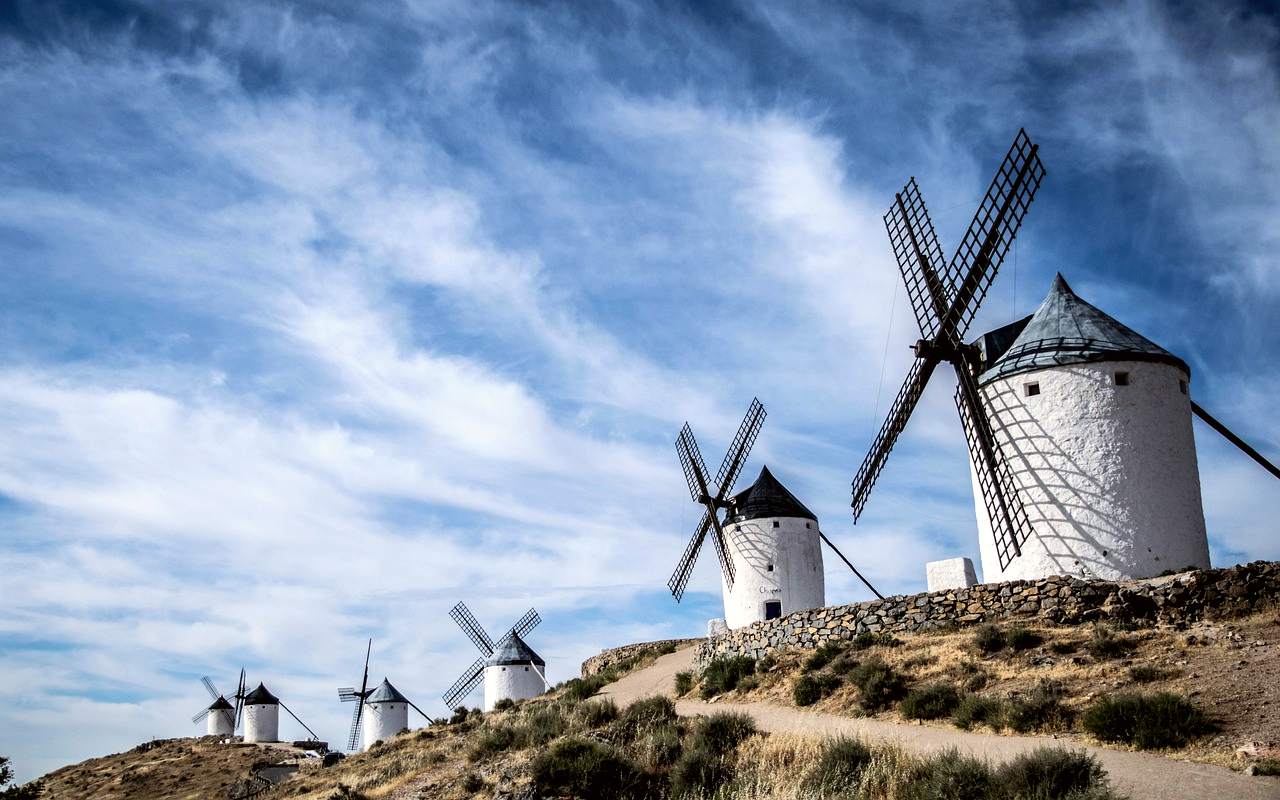
Wander through the historic streets of Toledo: a city rich in history
Attend La Tomatina in Buñol: a unique tomato-throwing festival
Taste wine in La Rioja: famous for its vineyards
Experience the Running of the Bulls in Pamplona: a thrilling event

Local food and drinks

Paella: a rice dish from Valencia, best enjoyed at a local restaurant
Tapas: small plates of various dishes, perfect for sharing in bars
Churros with chocolate: a sweet treat, ideal for breakfast or dessert
Sangria: a refreshing wine-based drink, popular in summer
Jamón ibérico: cured ham, a must-try delicacy found throughout the country
Tortilla española: a traditional Spanish omelette, commonly served in tapas bars
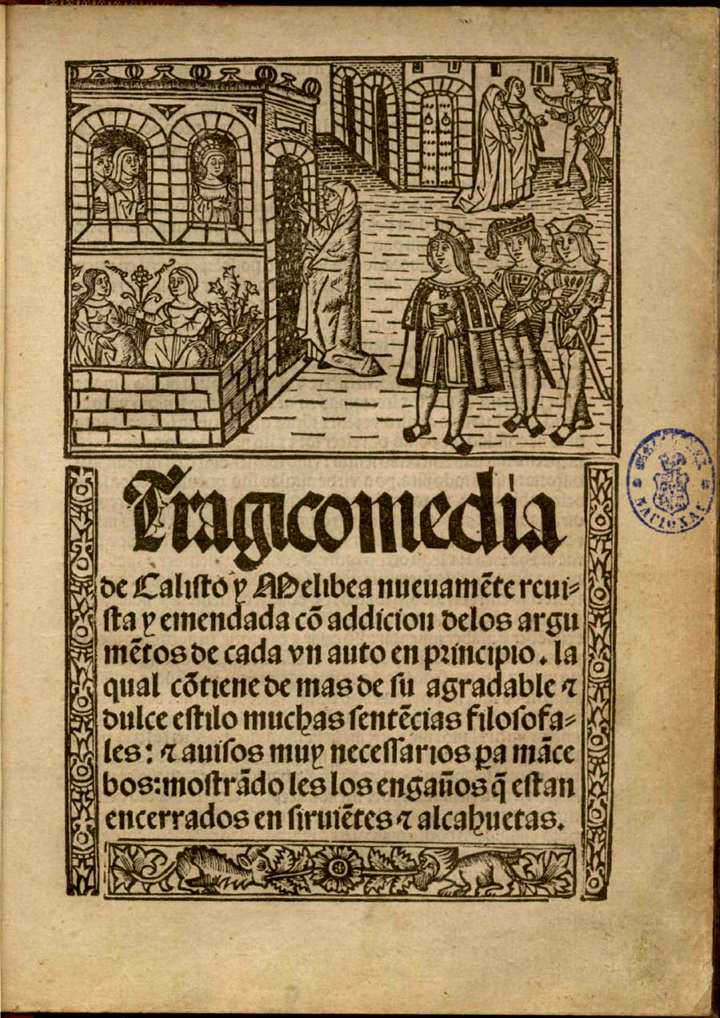
Local traditions - Spain Wikimedia Commons · Public domain

Local traditions

La Semana Santa: a significant Holy Week celebration across Spain
Fallas: a festival in Valencia featuring elaborate sculptures and fireworks
Feria de Abril: a lively spring fair in Seville with music and dancing
San Fermín: the Running of the Bulls festival in Pamplona
Dia de los Muertos: a day to honor deceased loved ones, celebrated in various regions

Do's and don'ts

Try speaking some Spanish, locals appreciate the effort
Dress modestly when visiting churches and religious sites
Participate in local festivals for an authentic experience
Respect meal times, as dining is typically later in Spain
Use public transport to navigate cities efficiently
Don't assume everyone speaks English, especially in rural areas
Don't rush through meals, savor the dining experience
Don't engage in loud behavior, as it can be seen as disrespectful
Don't take photos in churches without permission
Don't forget to try local specialties, each region has its own

Explore the Majestic Alhambra

The Alhambra in Granada is a stunning example of Moorish architecture, with intricate details and lush gardens that transport you to another era. As you wander through the Palacios Nazaríes, take a moment to appreciate the craftsmanship that has stood the test of time. However, be prepared for crowds, especially during peak tourist seasons. Booking tickets in advance is highly recommended to avoid long waits. The surrounding neighborhood, Albayzín, offers a charming maze of narrow streets and local tapas bars, perfect for a post-visit meal.

Gaudí's Unfinished Masterpiece

The Sagrada Familia in Barcelona is an architectural marvel that continues to evolve. Designed by Antoni Gaudí, this basilica is a blend of Gothic and Art Nouveau styles, making it a must-see. The interior is as breathtaking as the exterior, with colorful stained glass that bathes the space in light. However, the ongoing construction means that some areas may be closed off, and ticket prices can be steep. Visiting early in the morning or later in the afternoon can help you avoid the busiest times.

Heart of Madrid's Social Life

Plaza Mayor is the vibrant heart of Madrid, where locals and tourists alike gather to enjoy the lively atmosphere. Surrounded by historic buildings and cafes, it is a great spot to relax and people-watch. Be sure to try a traditional bocadillo de calamares from one of the nearby vendors. However, keep an eye on your belongings, as pickpockets can be a concern in crowded areas. The square often hosts events and markets, so check the local calendar for any happenings during your visit.
Practical

At a glance

Population
47.000.000
Best time
Spring and fall for pleasant weather

Basic information

Capital: Madrid
Language: Spanish
Currency: Euro
Best time to visit: Spring and fall for pleasant weather

Travel information

Flights connect major cities like Madrid and Barcelona to international destinations. Trains are efficient for intercity travel, especially the high-speed AVE, which can take you from Madrid to Seville in about 2.5 hours. Public transport in cities is reliable, with buses and metros available. Credit cards are widely accepted, but cash is useful in smaller towns, especially for markets or local eateries. Wi-Fi is common in urban areas, but connectivity may vary in rural regions, so consider downloading maps or guides ahead of time.

Things to know

Be aware of pickpockets in crowded tourist areas.
Siesta hours may affect business hours, especially in smaller towns.
Tipping is appreciated but not mandatory; rounding up the bill is common.
Some attractions, like the Alhambra or Sagrada Familia, may require advance booking, especially in peak season.
Cultural norms vary by region, so be respectful of local customs.
history_eduHistoryexpand_more
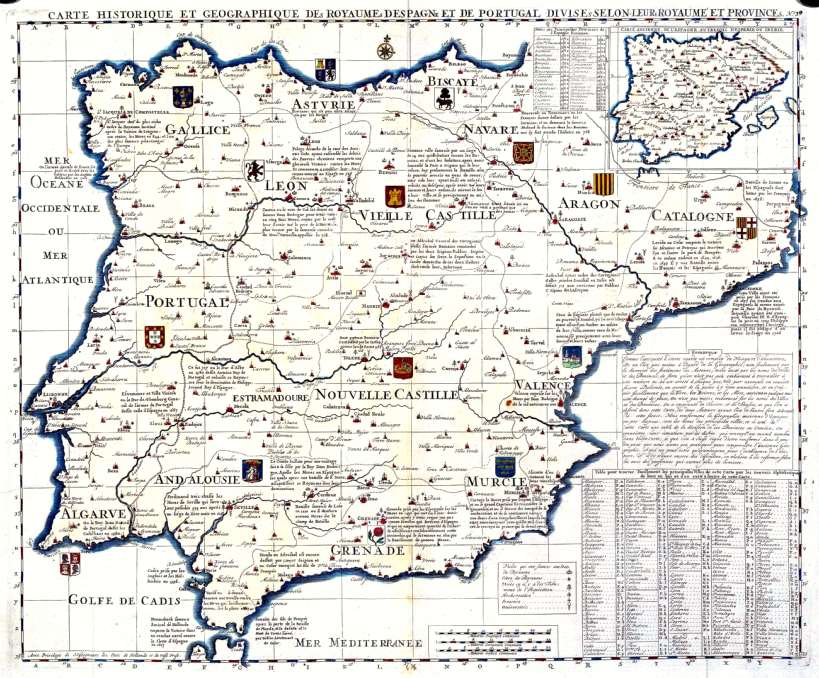
History - Spain Henri Chatelain · Public domain

Spain's history is marked by a blend of cultures, from the ancient Iberians to the Romans and Moors. The Reconquista in 1492 saw the Catholic Monarchs unite the country, leading to a golden age of exploration and colonization.

The 20th century brought civil war and dictatorship, shaping modern Spain into a democratic nation. Today, Spain is a mosaic of regional identities, each with its own customs and languages, reflecting its complex past.

Photo: Alpcem · Pixabay Content License · Pixabay

Photo credits (6)