Introduction
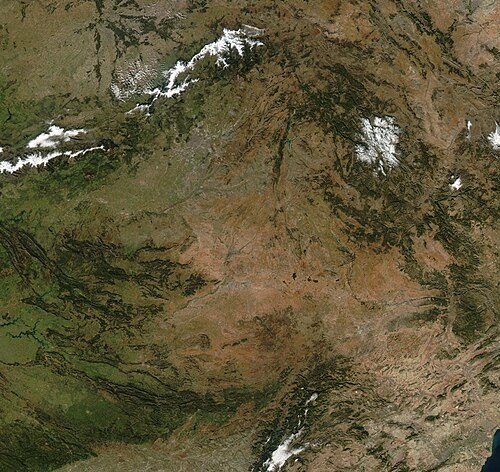
Castile-La Mancha is a region rich in history and culture, offering travelers a glimpse into Spain's past through its stunning architecture and picturesque landscapes. From the windmills of Don Quixote fame to the historic cities of Toledo and Cuenca, there is much to explore and appreciate.
The region is also known for its vast plains, vineyards, and olive groves, making it a haven for food and wine enthusiasts. Visitors can enjoy local delicacies and wines while soaking in the beautiful countryside views, making it a perfect destination for a leisurely road trip.
Sightseeing
Local food and drinks
Local traditions
History
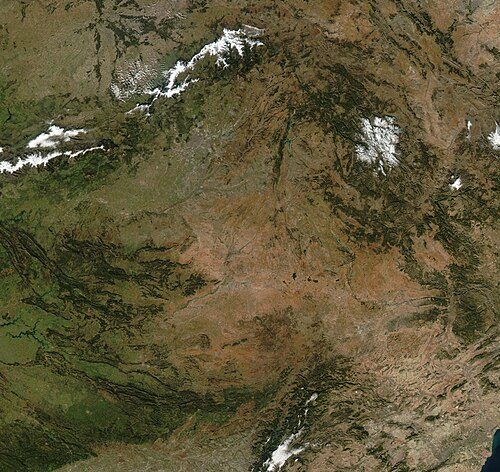
Castile-La Mancha has a rich historical tapestry, shaped by various cultures over the centuries. It was a significant region during the Reconquista, where Christian kingdoms fought to reclaim territory from Muslim rule. The influence of both cultures is evident in the architecture and traditions found throughout the region.
In the 16th century, Castile-La Mancha became a center for agriculture and wine production, contributing to Spain's economy. The region is also famously linked to Miguel de Cervantes' 'Don Quixote', which has left an indelible mark on its cultural identity.
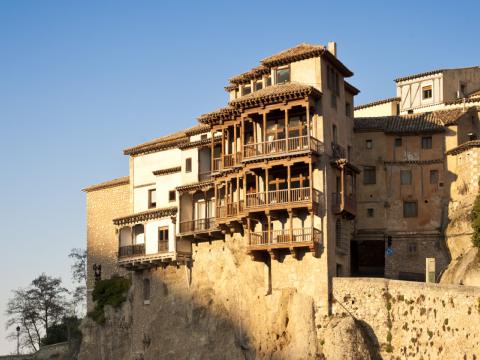
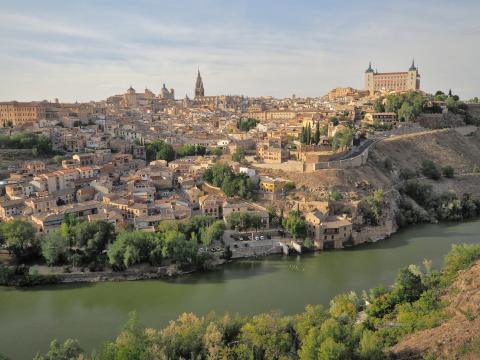
Photo: Wikipedia / Wikimedia Commons