kiomigo
search
search
add New trip
Madrid

Madrid

Population: 3.200.000 Since: Founded around 860 AD Price: Mid-range Capital city
accessible Accessibility: Many areas are accessible, but some have cobblestones.

Introduction

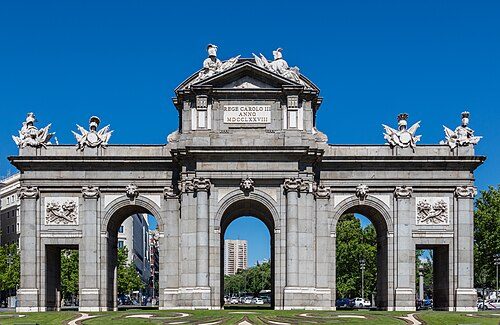
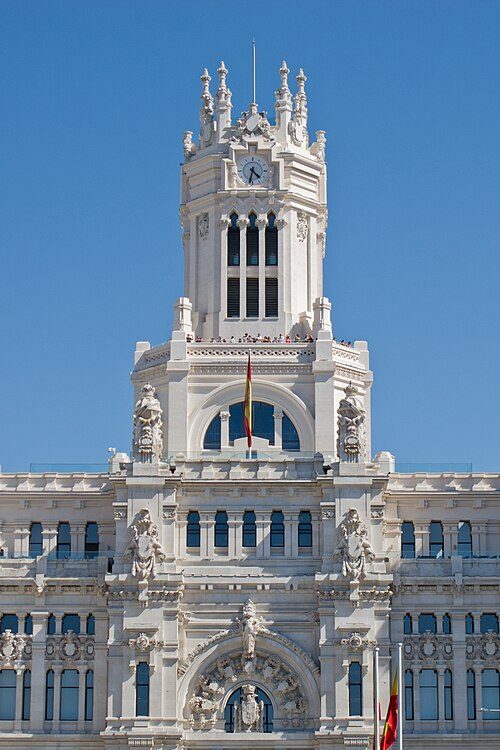
Madrid is a vibrant city that seamlessly blends rich history with modern life. Visitors are greeted by stunning architecture, lively plazas, and a diverse culinary scene that reflects its multicultural heritage.

The atmosphere is energetic, with locals enjoying tapas in bustling bars and artists showcasing their work in the streets. However, the city's size can be overwhelming, and navigating its neighborhoods may require some planning.

In pictures
Madrid
Madrid
Madrid
Madrid
Madrid
Madrid

Sightseeing

Prado Museum: home to masterpieces by Spanish artists
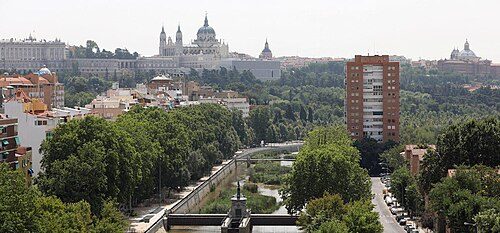
Royal Palace: the official residence of the Spanish royal family
Retiro Park: a large and beautiful green space in the city center
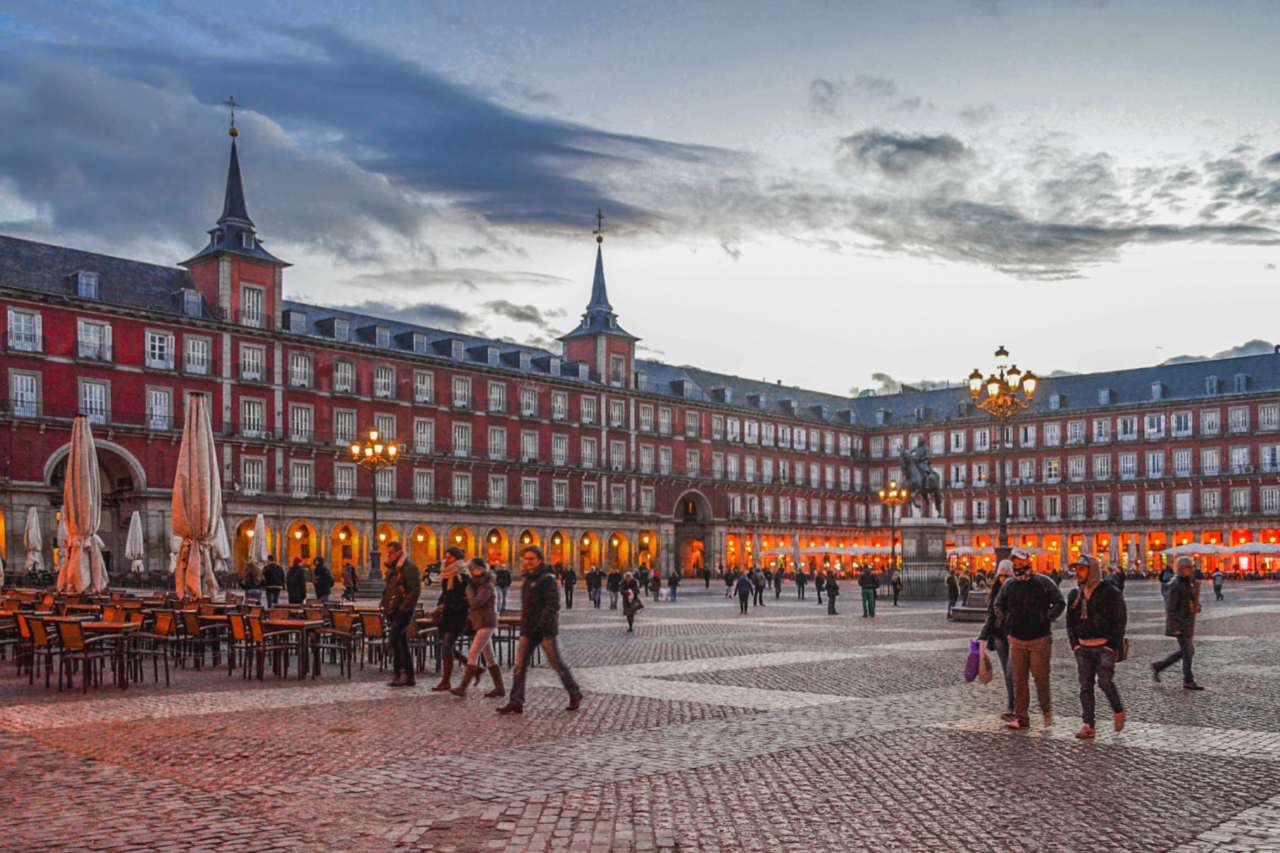
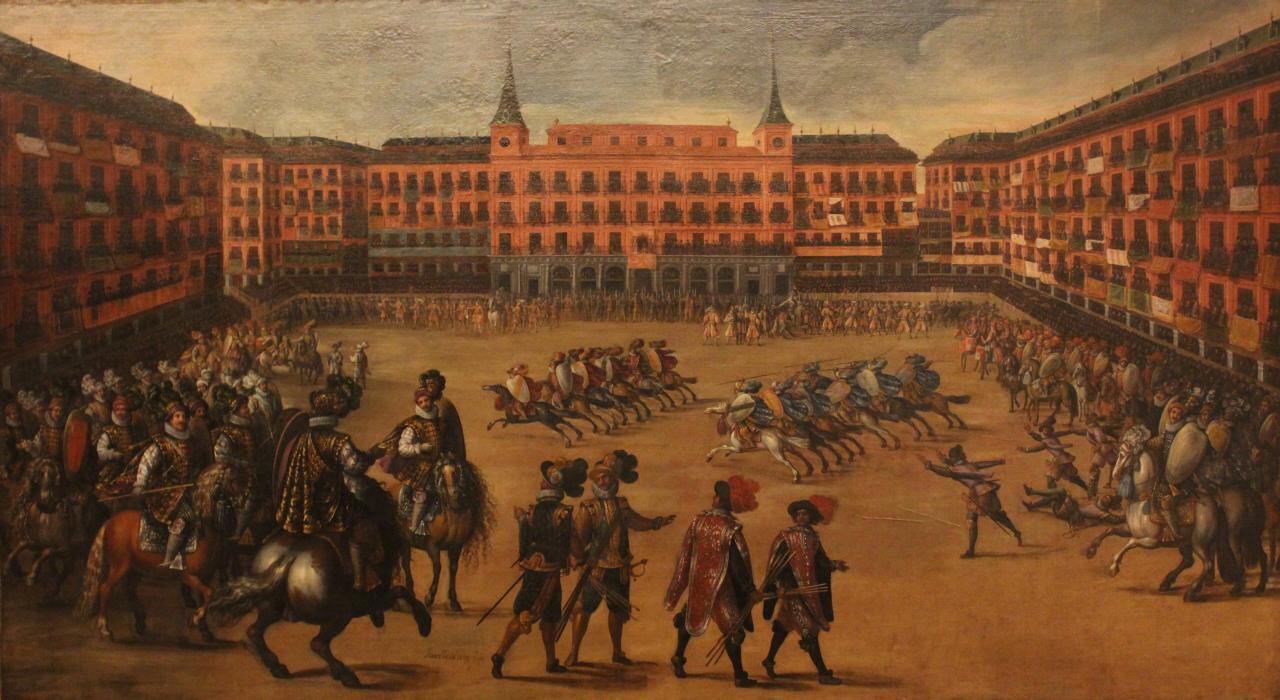
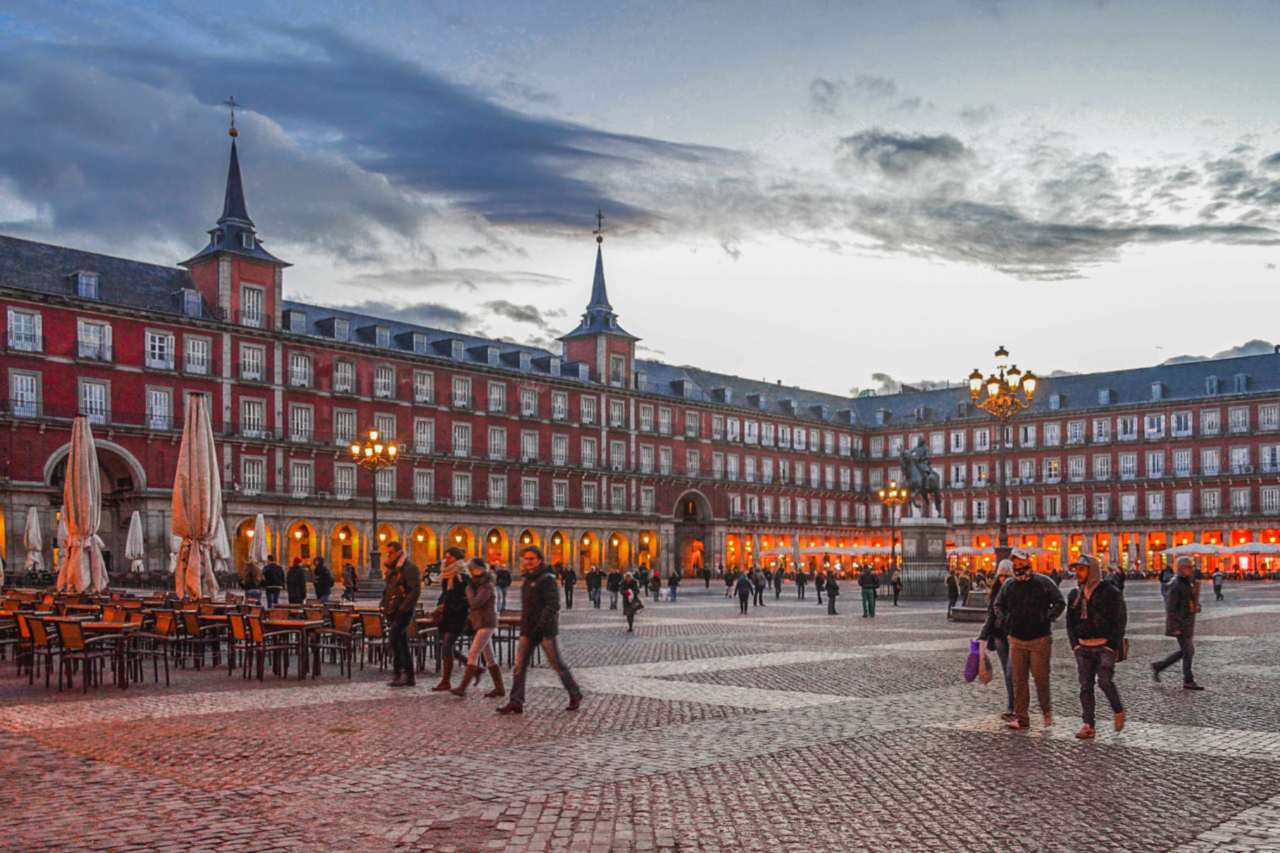
Plaza Mayor: a historic square surrounded by impressive buildings
Thyssen-Bornemisza Museum: an extensive art collection spanning centuries
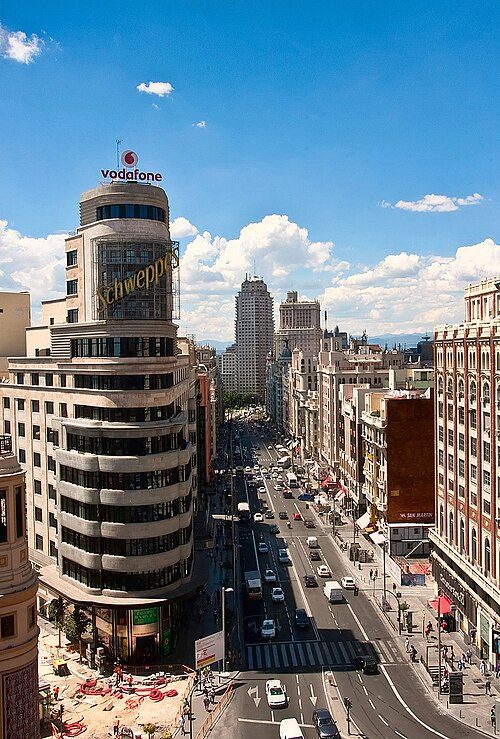
Gran Via: Madrid's main street known for shopping and nightlife
Temple of Debod: an ancient Egyptian temple relocated to Madrid
Santiago Bernabéu Stadium: the iconic home of Real Madrid

"A city of art and culture"Madrid

Things to do

Explore the art collections at the Prado Museum
Stroll through Retiro Park and rent a rowboat
Experience the nightlife in Malasaña and Chueca
Visit local markets like Mercado de San Miguel
Attend a flamenco show for an authentic cultural experience
Local food and drinks - Madrid

Local food and drinks

Tapas: small dishes perfect for sharing
Churros with chocolate: a sweet treat for breakfast
Cocido madrileño: a hearty chickpea-based stew
Tortilla española: a traditional Spanish omelette
Local wines: try a glass of Rioja or Ribera del Duero

Local traditions

San Isidro Festival: a celebration of Madrid's patron saint
La Paloma Festival: a lively summer street festival
Three Kings Day: a festive celebration with parades and sweets
Flamenco: an integral part of Madrid's cultural identity
History - Madrid

History

Madrid's history dates back to the 9th century when it was founded as a fortress by the Moors. It became the capital of Spain in the 16th century, leading to significant growth and development, particularly during the Habsburg and Bourbon dynasties.

The city has witnessed numerous historical events, including the Spanish Civil War and the transition to democracy in the late 20th century. Today, Madrid stands as a symbol of resilience and cultural richness, attracting millions of visitors each year.

Things to know

Be cautious of pickpockets in crowded areas
Public transport can be confusing for first-timers
Some attractions may have long queues, especially in summer
Dining late is common, so adjust your meal times accordingly

Do's and don'ts

Visit museums on free entry days
Try local dishes at family-run restaurants
Learn a few basic Spanish phrases
Take a walking tour to discover hidden gems
Don't assume everyone speaks English
Don't rush through meals; savor the experience
Don't miss out on local markets for authentic food
Don't ignore safety tips in crowded areas

Good to know

Accessibility: Many areas are accessible, but some have cobblestones.
Price level: mid-range

Photo: Wikipedia / Wikimedia Commons