Introduction
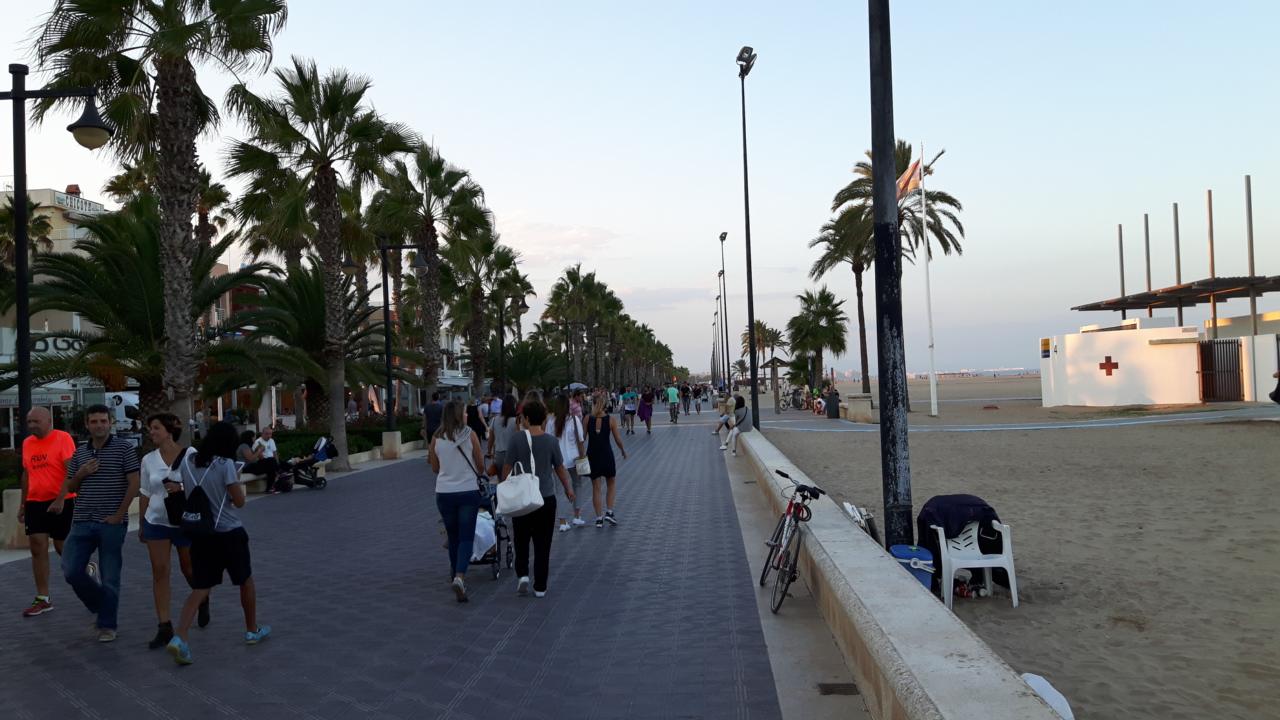
Valencia is a vibrant city that beautifully blends its rich history with modern innovation. Visitors are often captivated by its stunning architecture, lively atmosphere, and the warm Mediterranean climate.
Strolling through Valencia, you'll find a mix of traditional Spanish culture and contemporary art. The city's parks, beaches, and bustling markets create a welcoming environment for both locals and tourists alike.
Sightseeing
Things to do
Top attractions
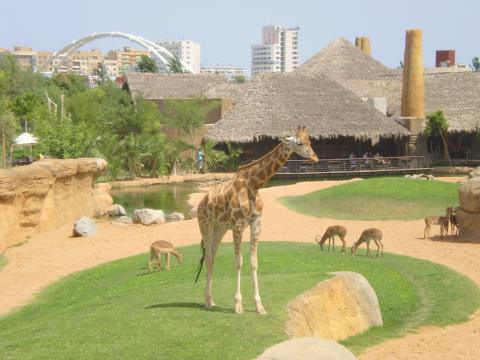
Bioparc Valencia
An immersive zoo experience with natural habitats.
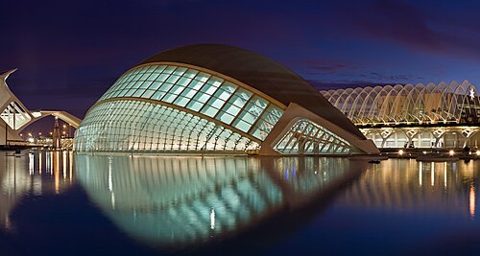
City of Arts and Sciences
A futuristic complex with interactive science exhibits.
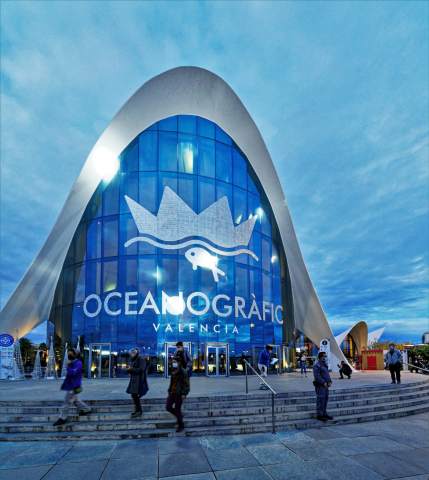
Oceanogràfic
A captivating aquarium with diverse marine species.
Turia Gardens
A vast park perfect for outdoor activities.
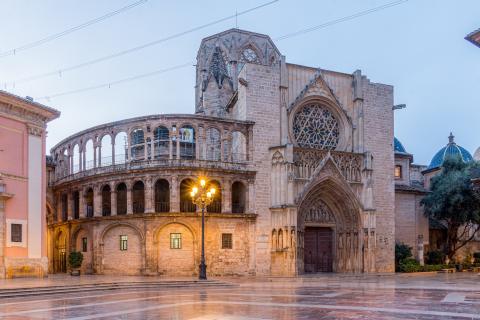
Valencia Cathedral
Gothic architecture and history
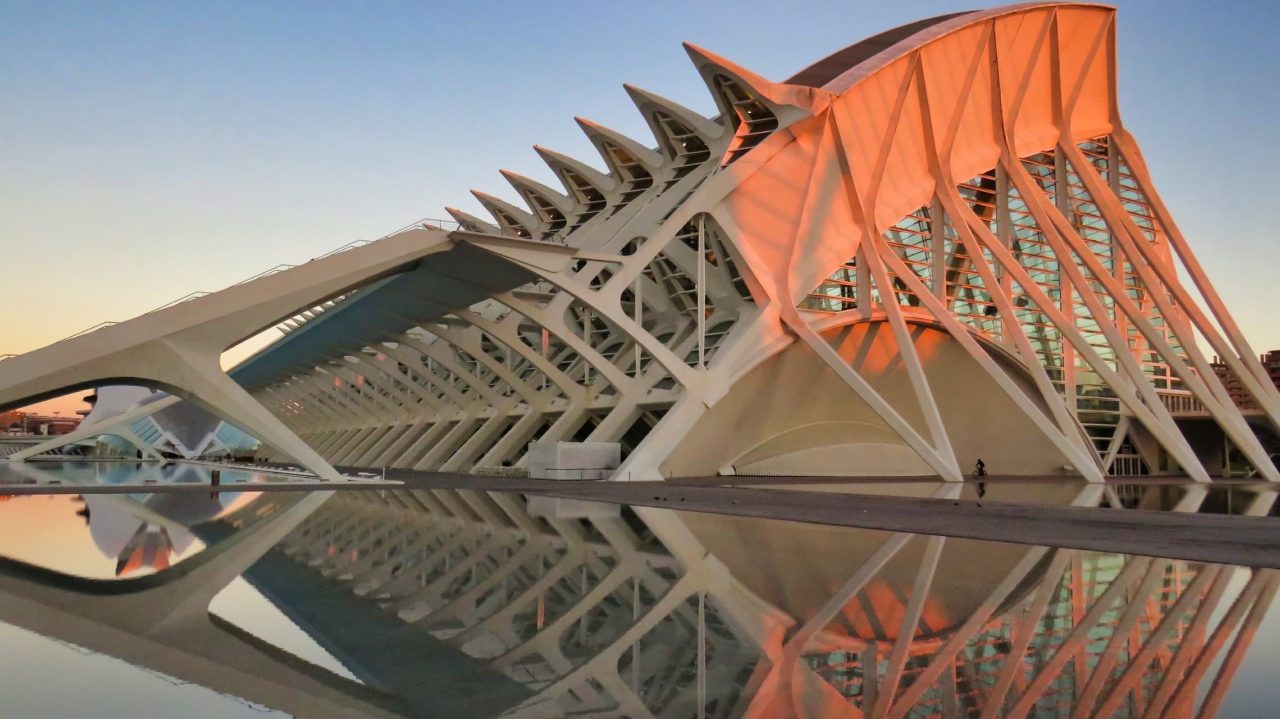
Valencia Science Museum
Interactive science exhibits for all ages
Local food and drinks
Local traditions
History
Valencia was founded in 138 BC by the Romans, who named it Valentia Edetanorum. Over the centuries, it has been influenced by various cultures, including the Moors, who left a lasting impact on the city's architecture and agriculture.
In the 15th century, Valencia became a significant trade center, especially for silk. The city continued to thrive until the decline of the silk industry in the 19th century, but it has since revitalized itself as a cultural and economic hub in modern Spain.
Things to know
Do's and don'ts
Photo: Wikipedia / Wikimedia Commons