search
search
add New trip
Albufera

Albufera

Population: 2.000 Since: Founded around 600 BC Price: Mid-range
warning Wildfires (Spain): Forest fires in Spain · Check official travel advisories before you go.

Introduction

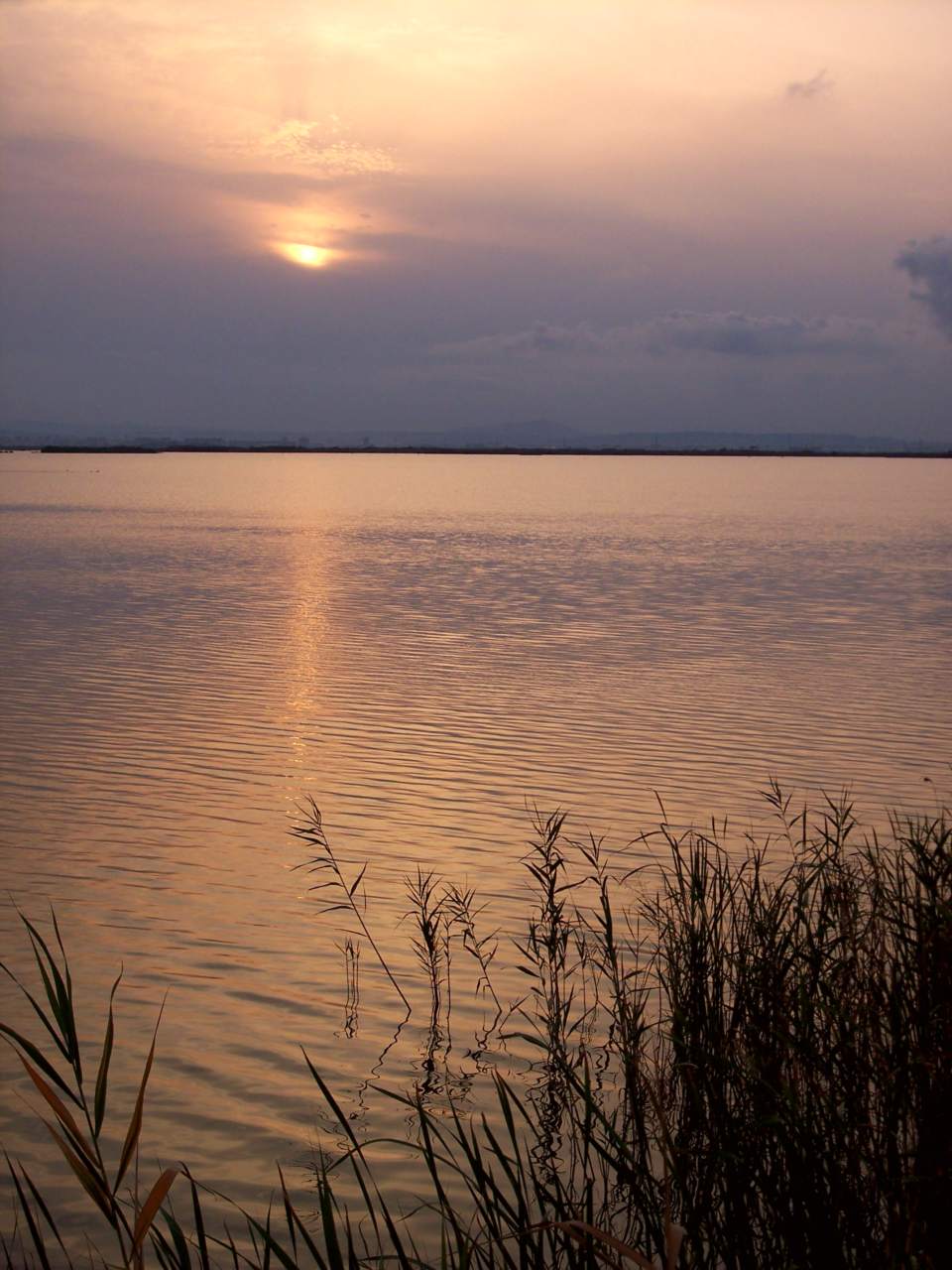
Albufera is a tranquil destination just south of Valencia, known for its expansive lake and rice fields. Visitors often come here to enjoy the natural beauty and savor local cuisine, especially paella, which originated in this region.

The area features charming villages like El Palmar, where traditional thatched houses line the canals. Birdwatching is popular, with many species found in the wetlands. The pace is relaxed, making it a perfect escape from the city.

Sightseeing

Albufera Natural Park: Spain's largest lake and a haven for wildlife
El Palmar: A village famous for its paella restaurants
Barraca dels Arandes: The oldest building in El Palmar, showcasing traditional architecture
Centro de Interpretación Racó de l'Olla: A visitor center with information on local birdlife

"Experience the flavors of Albufera"Albufera

Things to do

Boat ride on Albufera: Explore the lake and its surroundings
Birdwatching: Spot various species in the wetlands
Visit the rice paddies: Learn about rice cultivation in the region
Explore El Palmar: Wander through the village and its canals
Local food and drinks - Albufera

Local food and drinks

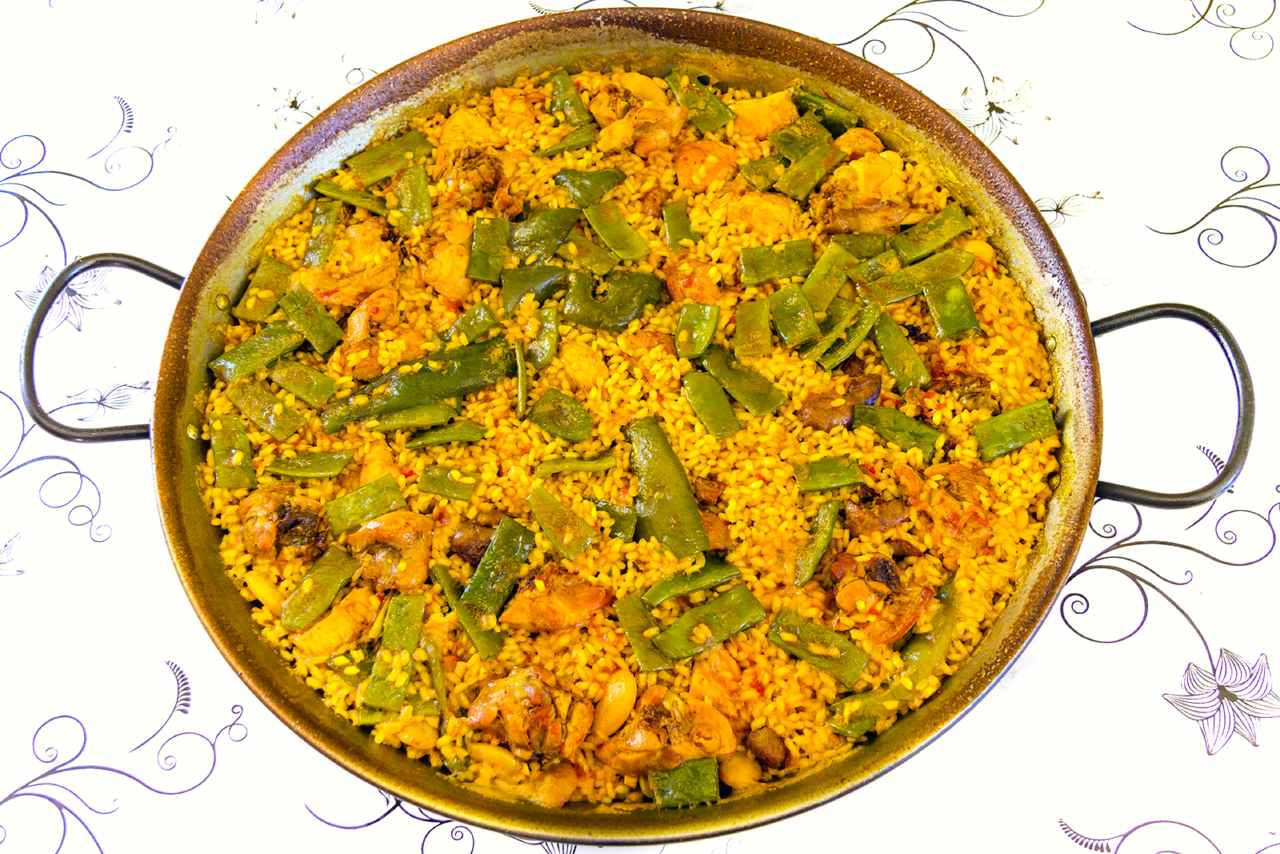
Paella Valenciana: The traditional rice dish with chicken, rabbit, and snails
All i Pebre: A local stew made with eels and potatoes
Espardenyà: A casserole-style dish similar to paella but without rice
Mercadillo: A weekly market in El Palmar for fresh produce
Discoteca Spook Pinedo: A popular nightclub in the area
Local traditions - Albufera

Local traditions

Fallas: A festival in March featuring elaborate sculptures and fireworks
La Tomatina: A famous tomato-throwing festival held in nearby Buñol
Local fishing traditions: Fishing has been a key activity for centuries
Rice cultivation festivals: Celebrating the rice harvest with local events

History

Albufera's history dates back to Roman times when it was a saltwater bay. Over the centuries, the lagoon was gradually separated from the sea, leading to the formation of the lake we see today.

The area has been inhabited since ancient times, with fishing as the primary livelihood. In the 17th century, rice cultivation began, significantly altering the landscape and ecology of the region.

Things to know

Public transport options are limited; consider renting a car
Some restaurants may be tourist traps; check reviews before dining
The best time to visit is during the cooler months, from October to April
Be cautious of mosquitoes, especially in the summer months

Do's and don'ts

Try the local paella at a restaurant in El Palmar
Visit the birdwatching spots early in the morning
Explore the canals by boat for a unique perspective
Attend local festivals for an authentic experience
Don't rush your visit; take time to enjoy the scenery
Don't ignore local dining customs; meals are often leisurely
Don't forget insect repellent during summer months
Don't rely solely on public transport; plan ahead

Good to know

Accessibility: The area has some accessible paths but may have limitations.
Price level: mid-range

Photo: Wikipedia / Wikimedia Commons