search
search
add New trip

Xàtiva

Population: 29.000 Since: Founded around 600 BC Price: Mid-range
warning Wildfires (Spain): Forest fires in Spain · Check official travel advisories before you go.

Introduction

Xàtiva offers a blend of history and local culture. The city is marked by its ancient castle and charming streets, inviting visitors to explore its rich past.

Walking through Xàtiva, you will encounter a mix of architectural styles, from medieval to modern. The local atmosphere is relaxed, making it easy to enjoy the sights and sounds of daily life.

Sightseeing

Castell de Xàtiva: A historic hilltop castle with panoramic views.
Iglesia de Santa Maria: A beautiful church featuring intricate altarpieces.
Museo de Almodí: An art museum showcasing local and regional works.
Plaza de la Villa: The main square surrounded by cafes and shops.
Carrer de la Reina: A lively street known for its restaurants and shops.

"History and culture in every corner"Xàtiva

Things to do

Explore the castle: Wander through the ancient walls and enjoy the views.
Visit the local market: Experience the flavors of Xàtiva at the street market.
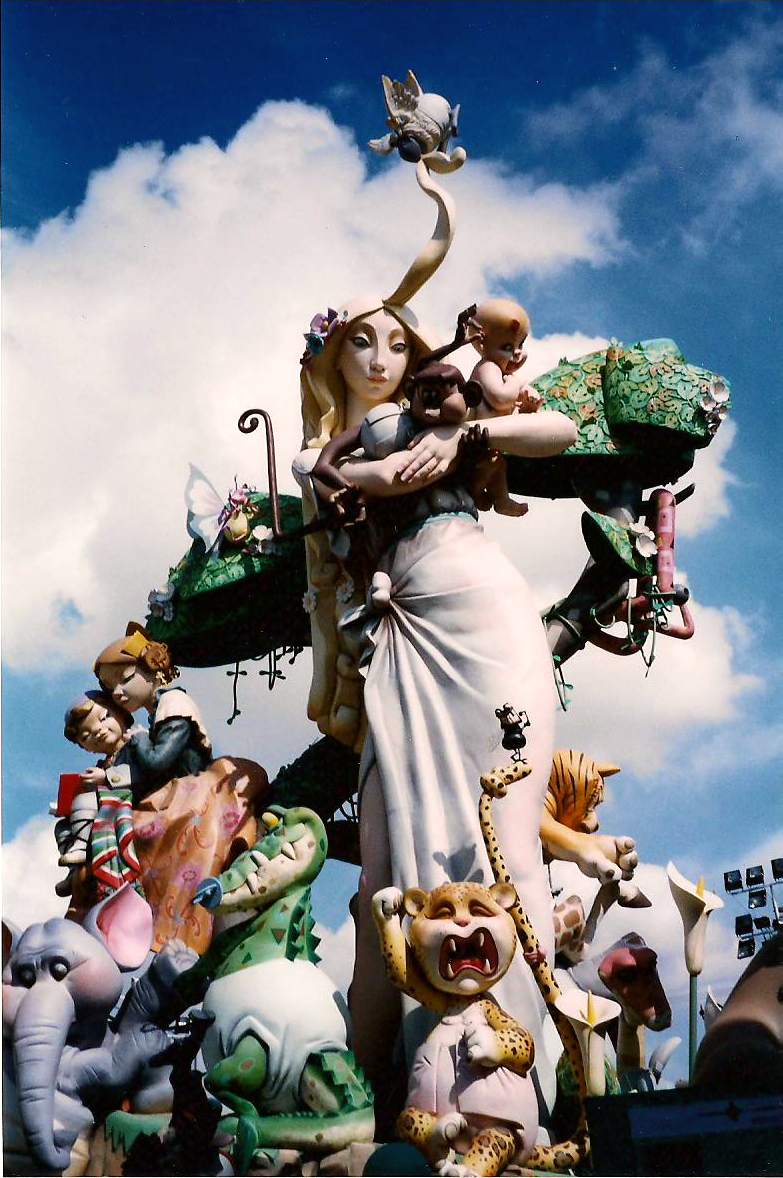
Attend a festival: Join in the local celebrations, especially Fallas.
Take a walking tour: Learn about the city's history from a local guide.
Local food and drinks - Xàtiva

Local food and drinks

Arrós al forn: A traditional baked rice dish with blood sausage.
Arnadí: A pumpkin pie flavored with almonds and cinnamon.
Casa la Abuela: A popular restaurant known for local specialties.
La Socarrada: An artisanal beer seasoned with rosemary.
Er Boquerón: A unique beer made with Mediterranean seawater.
Local traditions - Xàtiva

Local traditions

Fallas: A festival in March featuring large sculptures and fireworks.
Festa del Corpus Christi: Celebrated with unique dances and traditions.
Semana Santa: Holy Week processions showcasing local customs.
San Juan: A midsummer celebration with bonfires and festivities.

History

Xàtiva has a long history, dating back to Iberian times. It retains its pre-Roman name, Saiti, and was known for its textile production during the Roman era.

The city later became significant under Moorish rule, particularly for introducing paper manufacturing to Europe. Xàtiva is also known as the birthplace of the Borgia family, including Pope Alexander VI, adding to its historical intrigue.

Things to know

Watch for tourist traps: Some shops may overcharge for souvenirs.
Public transport is limited: Consider walking or using taxis for convenience.
Be cautious at night: Some areas may feel less safe after dark.
Timing matters: Many shops close for a few hours in the afternoon.

Do's and don'ts

Try local dishes: Sample arrós al forn and arnadí.
Visit the castle early: Beat the crowds for a better experience.
Engage with locals: They often share great tips and stories.
Respect local customs: Participate in festivals and traditions.
Don't rush your visit: Take time to enjoy the city's pace.
Don't ignore local advice: Locals can guide you to the best spots.
Don't miss the festivals: They offer a unique glimpse into culture.
Don't forget sunscreen: The sun can be strong, especially in summer.

Good to know

Accessibility: Some areas are hilly, but many spots are accessible.
Price level: mid-range