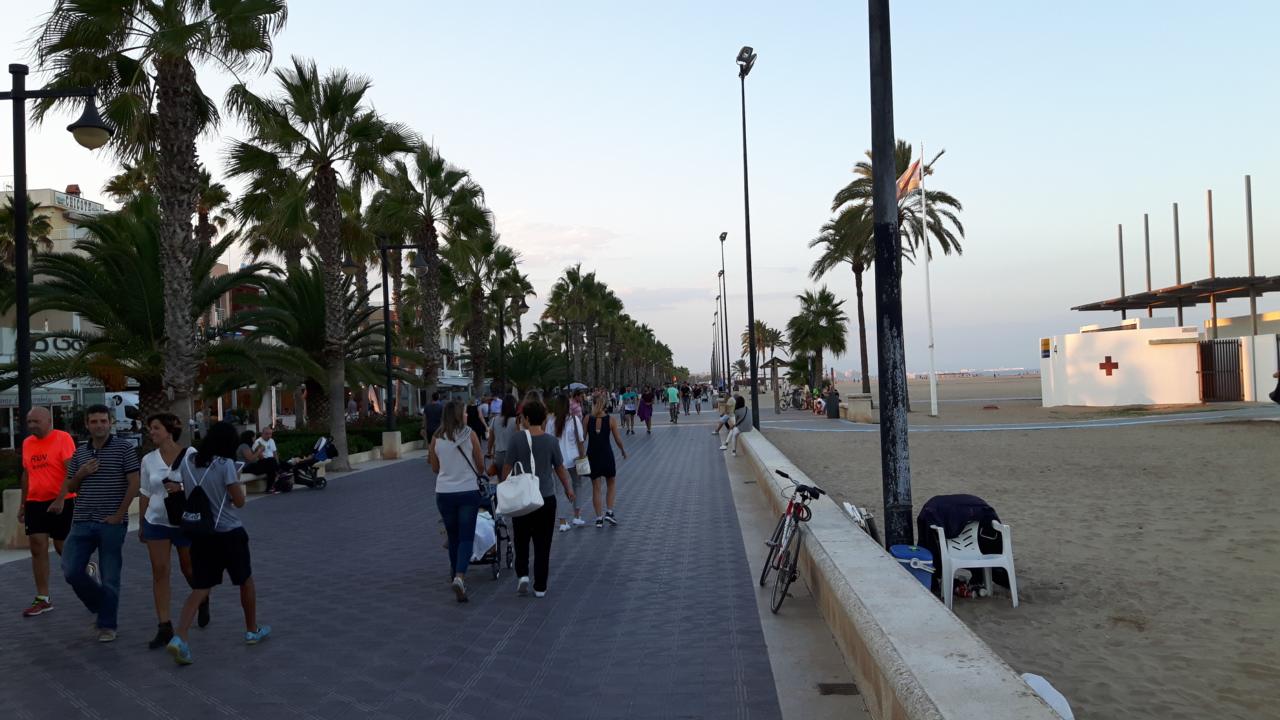
Valencia
Introduction
Valencia is a vibrant city that beautifully blends its rich history with modernity. Visitors are drawn to its stunning architecture, lively markets, and the warm Mediterranean climate, making it an inviting destination year-round.
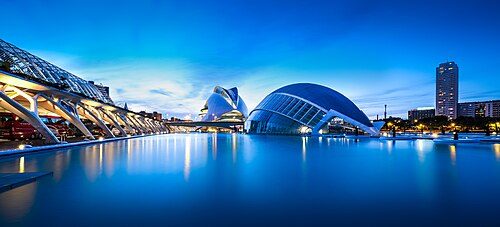
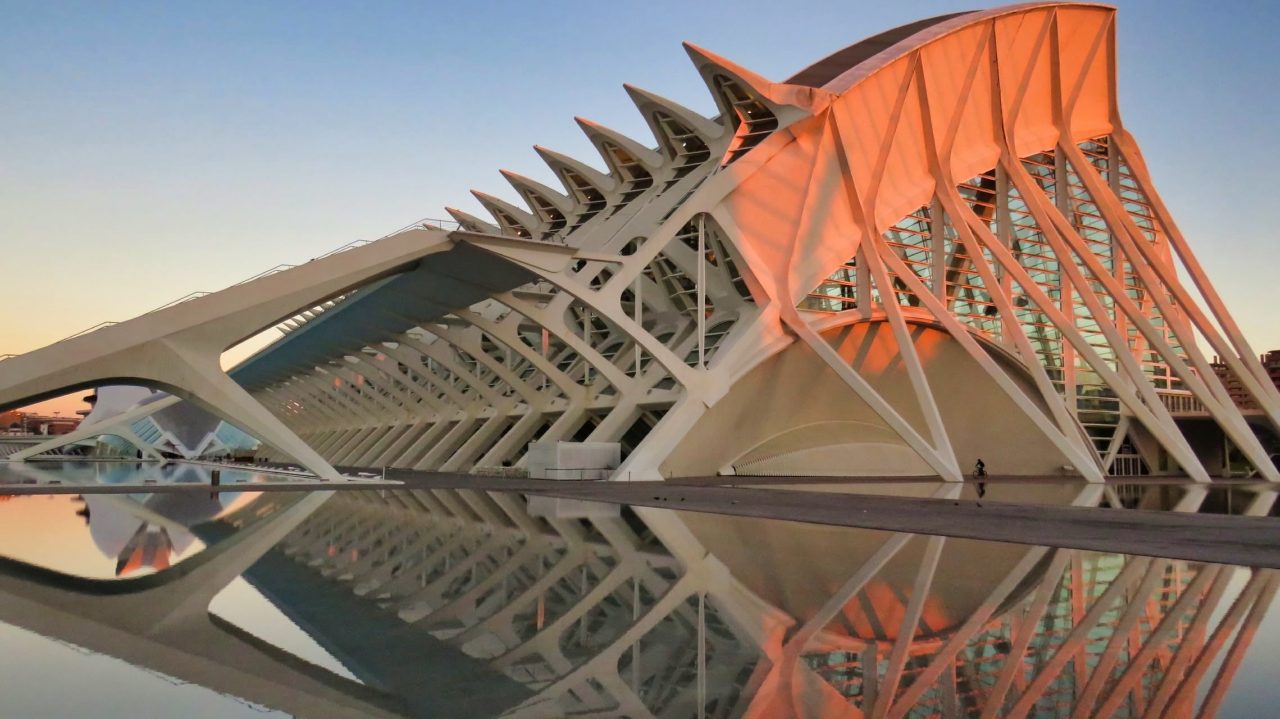
The city's atmosphere is lively yet relaxed, with locals enjoying their leisurely meals and evening strolls. Valencia's unique charm lies in its diverse neighborhoods, each offering a distinct flavor and character, from the historic old town to the futuristic City of Arts and Sciences.
In pictures
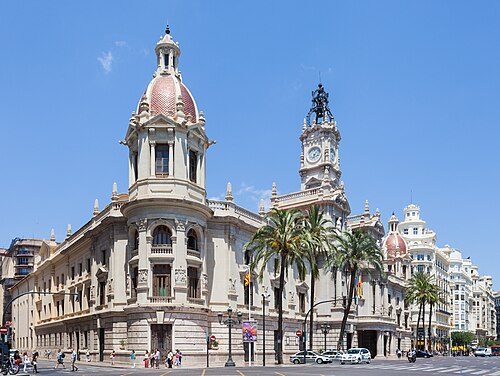


Sightseeing
Things to do
Top attractions
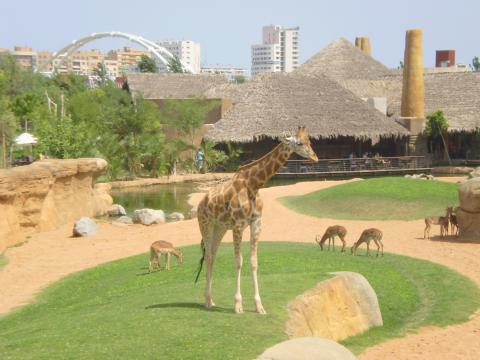
Bioparc Valencia
A zoo that immerses visitors in animal habitats
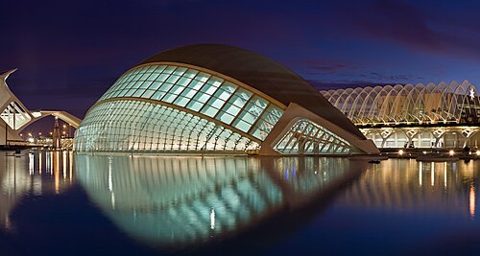
City of Arts and Sciences
A futuristic complex with museums and an aquarium
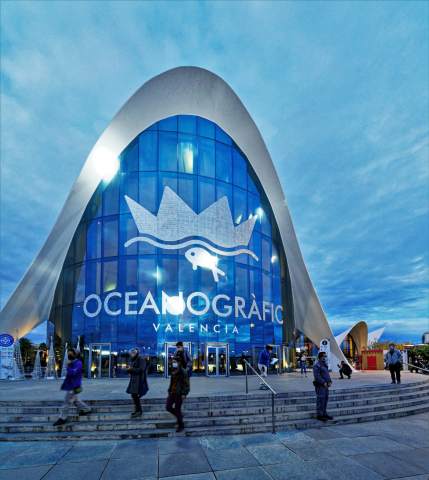
Oceanogràfic
The largest aquarium in Europe with diverse marine life
Turia Gardens
A beautiful park perfect for outdoor activities
Local food and drinks
Local traditions
History
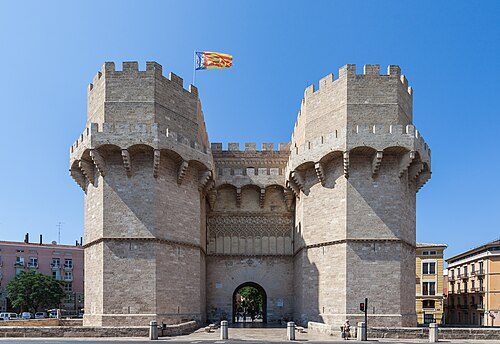
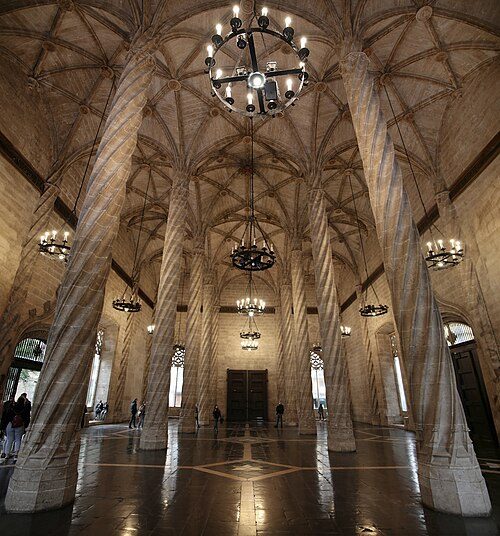
Valencia was founded in 138 BC by the Romans and has a rich history influenced by various cultures, including the Moors and Christians. The city flourished during the Middle Ages, becoming a significant trade center in the Mediterranean.
In the 15th century, Valencia experienced a golden age, marked by artistic and cultural advancements. The city continued to evolve, facing challenges such as the Spanish Civil War, but today it stands as a testament to resilience and innovation.
Things to know
Do's and don'ts
Good to know
Photo: Wikipedia / Wikimedia Commons